







- Where
- Salerno, Campania and Amalfi Coast
- Directions
- Directions
The Duomo di Salerno, officially the Cathedral of Santa Maria degli Angeli, San Matteo e San Gregorio VII, is the main church of Salerno and one of the finest Romanesque cathedrals in southern Italy. It stands in the historic center, uphill from the seafront, and is dedicated to three important saints: the Virgin Mary, Saint Matthew, the apostle and evangelist whose relics are kept here, and Pope Gregory VII, who died in exile in Salerno. The building was begun in the late 11th century by the Norman ruler Robert Guiscard, who made Salerno his capital, and it was consecrated in 1084 by Gregory VII, who died in the city the following year. The pope’s tomb lies inside, in a chapel near the choir.
The tradition behind the cathedral is the cult of Saint Matthew, whose remains are said to have been brought to Salerno in the 10th century. They lie in the crypt, beneath the main altar, in a space that was richly redecorated in the Baroque style in the 17th century, with marble, gilding and painted vaults. Pilgrims still come to the crypt, particularly around the saint’s feast day in September, when processions are held through the town.
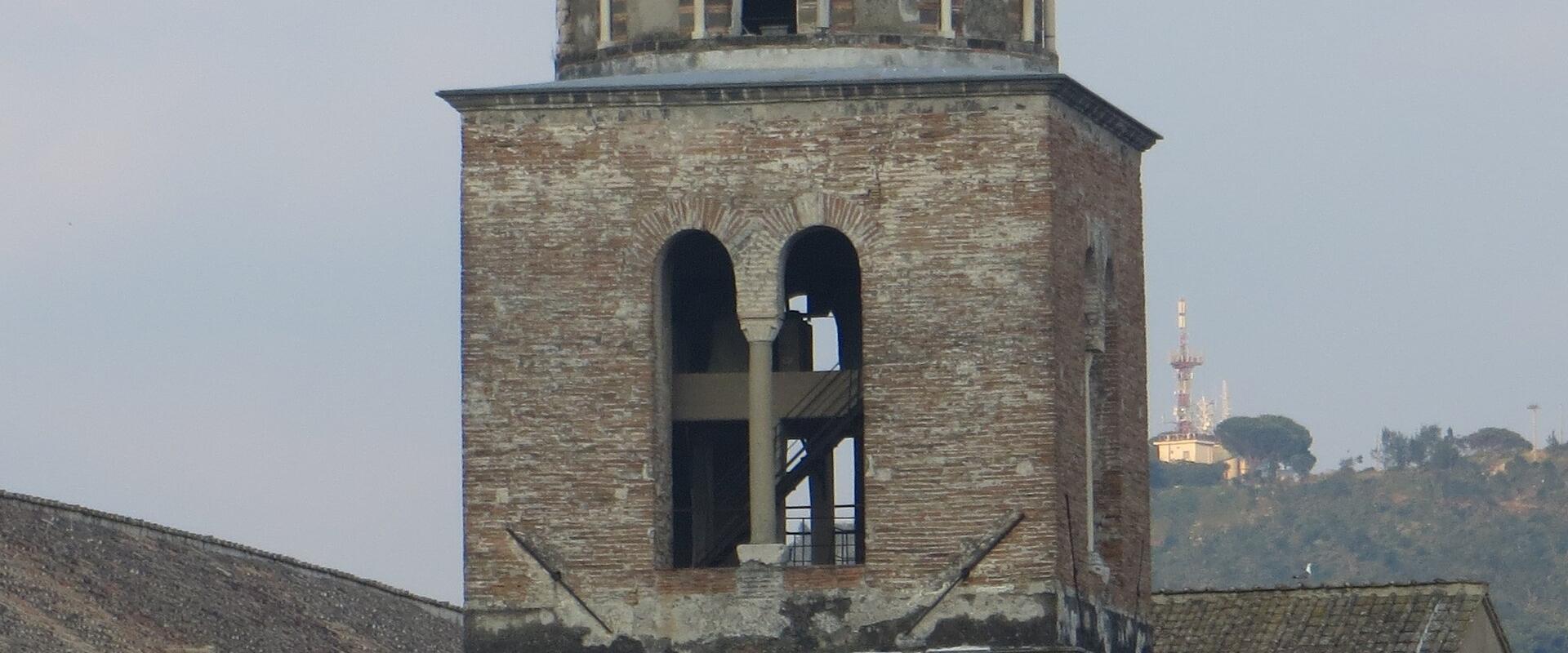
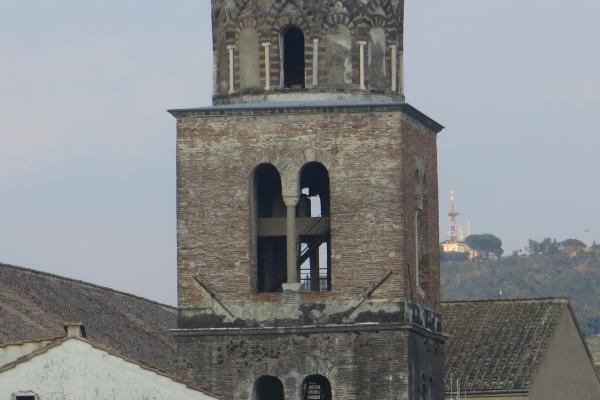
The approach is memorable. You enter through a monumental portal, the Porta dei Leoni, flanked by marble lions, and then pass through a large rectangular atrium surrounded by an arcade of ancient columns, taken from the Roman ruins at Paestum. On one side rises the bell tower, a 12th-century structure whose upper levels show a blend of Romanesque, Arab and Byzantine ornament, typical of the cultural mix of medieval southern Italy. The great bronze doors of the main entrance were cast in Constantinople in the late 11th century and brought to Salerno, a reminder of the city’s links with the Byzantine world.
Inside, the church has a nave and two aisles in a basilica plan, though much of the interior was transformed in the 18th century after earthquake damage. Two pulpits, the ambones, are decorated with colorful mosaics of the 12th century, and a tall Paschal candlestick carries similar decoration. Side chapels hold tombs and works of art. It is wise to check local tourism resources for current schedules, particularly around mass times, as the cathedral is in active use. As a place of worship, modest dress is typically required.
Salerno has more to offer nearby. The medieval center once hosted the Scuola Medica Salernitana, the first great medical school of Europe, and the old streets lead to the Castello di Arechi on the hill above. The Duomo is central to Salerno’s religious and artistic history. It suits visitors interested in medieval art and architecture, and it is easily combined with a walk along the seafront promenade and a visit to the archaeological museum.
Categories
More photos coming soon
Nearby Attractions
Other places to visit in Salerno
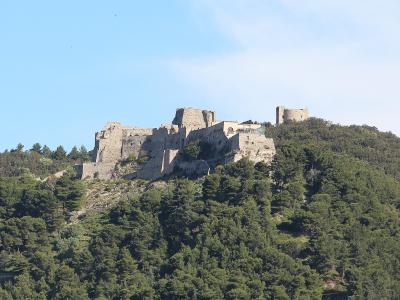
Castello di Arechi
Medieval fortress, natural park, and museum in Salerno
Castles & Fortresses · Cultural Tours
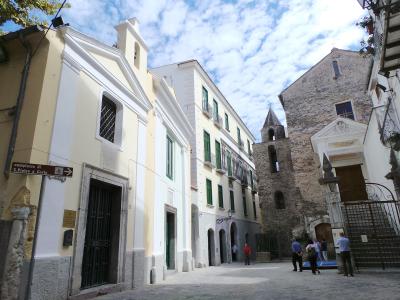
Chiesa di San Pietro a Corte
Lombard church over Roman baths
Ancient Ruins · Archaeological Museums
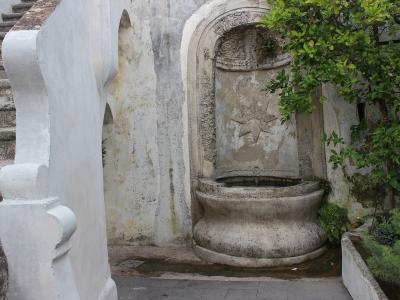
Giardino della Minerva
Historic botanical garden of the Salerno Medical School
From €2 Botanical Gardens · Educational Sites
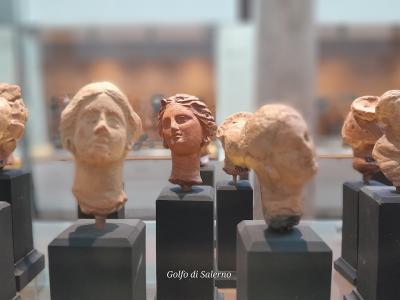
Museo Archeologico Provinciale
Roman-era finds in former San Benedetto monastery
Archaeological Museums · Historic Palaces
Questions people ask
Quick Facts
Best Time to Visit
Visit between April and June or September and October for warm weather and fewer crowds.