







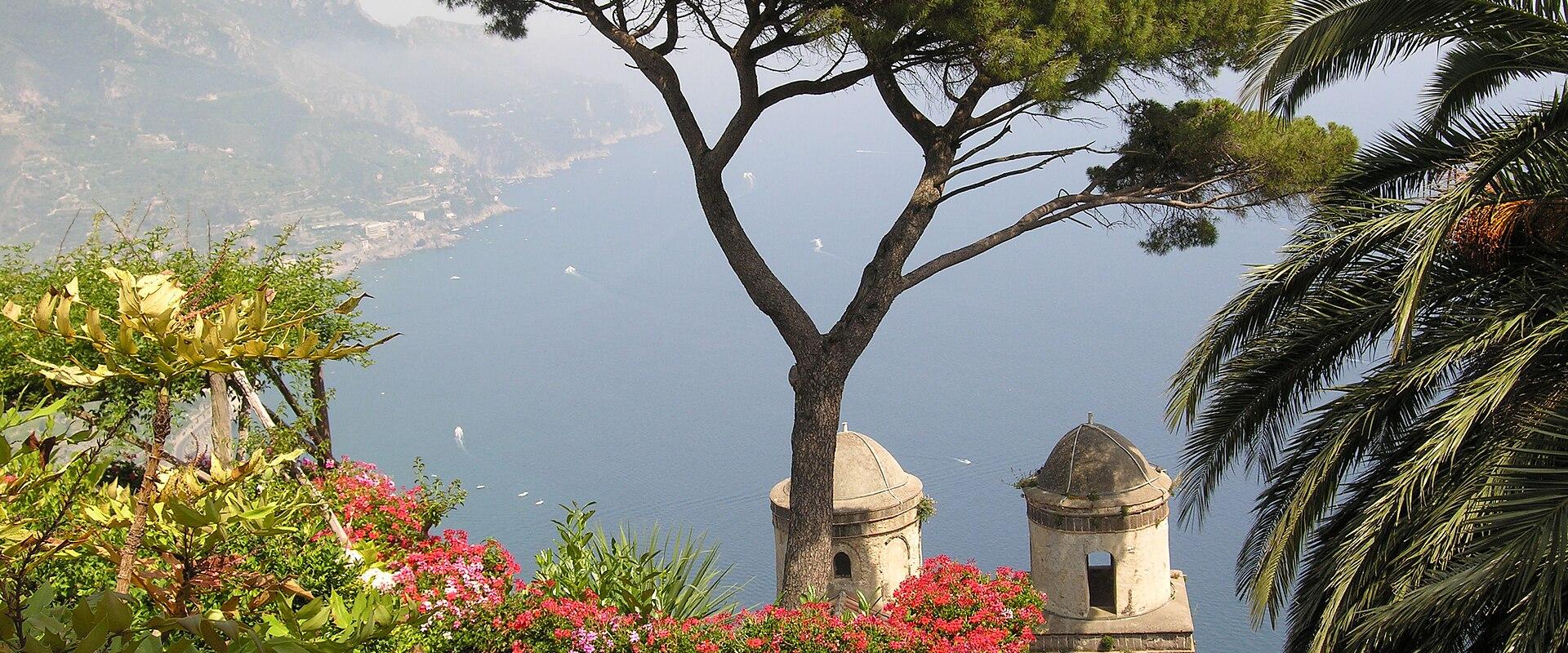
Ravello
Clifftop Amalfi Coast town known for villas, gardens, and music festival
Ravello’s history dates back, according to tradition, to the 9th century, when it was founded by refugees from Amalfi seeking protection from Saracen raids. The town grew in importance during the Middle Ages, becoming a centre of trade and culture, and its wealthy merchant families built palaces and churches. The Villa Rufolo, built in the 13th century for the Rufolo family, later became a source of inspiration for composers such as Richard Wagner, who visited in 1880. The town’s position on the cliffs gave natural defences, and it was often independent of the maritime republics of Amalfi and Naples. During the Renaissance Ravello attracted artists and musicians, establishing its reputation as a cultural hub. In the 19th and 20th centuries it became a haven for artists and writers, adding to its artistic legacy. Today Ravello preserves its historic centre, with narrow streets, medieval architecture, and magnificent gardens, reflecting its layered past as a defensive stronghold and cultural sanctuary.
The main attractions are centred on the villas and gardens. The Villa Rufolo, with its terraced gardens and Moorish-style cloister, is one of the most visited sites, and its Belvedere di Villa Rufolo, a panoramic terrace, is the setting for concerts of the Ravello Festival. The Villa Cimbrone is known for its Terrace of Infinity, a belvedere lined with marble busts and overlooking the coast and the sea. The gardens of both villas are fine examples of landscape design, with exotic plants, sculptures, and fountains. The Ravello Cathedral, the Duomo di Ravello, dedicated to Santa Maria Assunta and San Pantaleone, has Romanesque and Baroque elements and holds a famous bronze door; guides sometimes attribute it to Bonanno Pisano, although it is usually credited to Barisano da Trani. The historic centre is pedestrian-friendly, with narrow streets lined with artisan shops, cafes, and restaurants, including the Via San Giovanni del Toro, named for the nearby church of San Giovanni del Toro. The modern auditorium designed by Oscar Niemeyer adds a bold, curved contrast to the old town.
The town also hosts the Ravello Festival, one of Italy’s oldest and most prestigious music festivals, held in the summer, with concert venues in the villas and in the auditorium.
Activities in Ravello include exploring the villas and gardens, attending concerts, and enjoying the local cuisine. The town is known for traditional Campanian dishes, including seafood and pasta, and for local wines such as Fiano di Avellino. Visitors can take guided tours to learn about the history of the villas and the cultural significance of the Ravello Festival. The surrounding area offers hiking along the Path of the Gods and visits to nearby towns such as Amalfi and Positano. Ravello also hosts art exhibitions and cultural events through the year. Shopping includes local ceramics, textiles, and food products. For those interested in history, guided tours explore the medieval and Renaissance heritage of the town.
Getting to Ravello is easiest by road. The town is reached by car from Amalfi, a few kilometres away, via a winding mountain road, and buses run frequently between the two. There is no railway station in Ravello; the nearest stations are in Salerno and Nocera Inferiore, with bus connections to the town. For those flying, the nearest airports are Naples International Airport and Salerno Costa d’Amalfi Airport.
The best time to visit Ravello is from May to June or September to October, when the weather is warm and pleasant, ideal for outdoor attractions and gardens. July and August are peak tourist months, with higher temperatures and larger crowds, coinciding with the Ravello Festival. Winter is mild but can be windy. Despite the seasonal variations, Ravello’s rich cultural heritage and natural beauty make it a rewarding destination year-round.
Best time to visit
Visit between May and June or September and October for warm weather and fewer crowds.
What to see in Ravello
Our picks first.
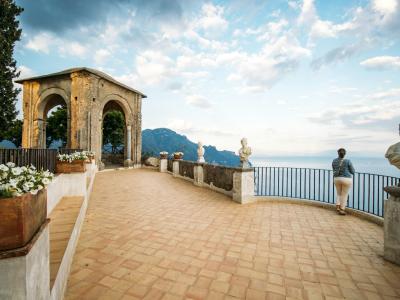
Belvedere di Villa Rufolo
13th-century clifftop gardens inspiring Wagner
From €8 Botanical Gardens · Historic Palaces
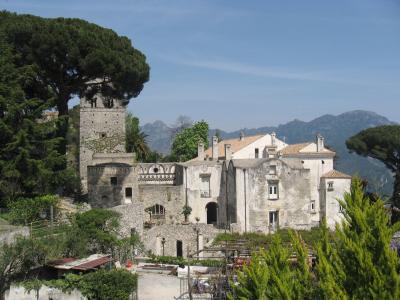
Villa Rufolo
13th-century gardens inspiring Wagner's Parsifal
From €8 History & Heritage · Museums & Culture
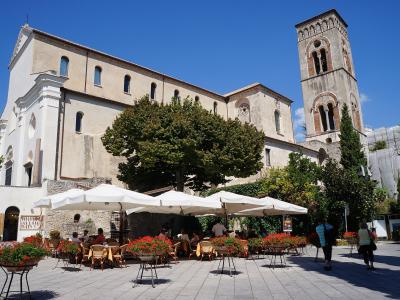
Duomo di Ravello
11th-century cathedral with 12th-century bronze doors
Architectural Monuments · Historic Churches
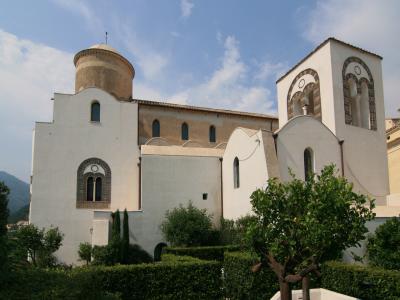
Via San Giovanni del Toro
11th-century church with 13th-century mosaic pulpit
Historic Churches · Historic Districts
Ravello by interest
The same sights, grouped by what you came for.
Planning a visit to Ravello
Good to know
- Currency
- EUR
- Language
- Italian
Quick Facts
Book your stay
Questions people ask
More places in Campania and Amalfi Coast
Campania and Amalfi Coast
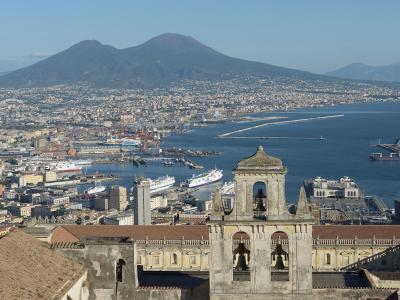
Naples
Vibrant Neapolitan city with UNESCO heritage, pizza origins, and Vesuvius views
Campania and Amalfi Coast
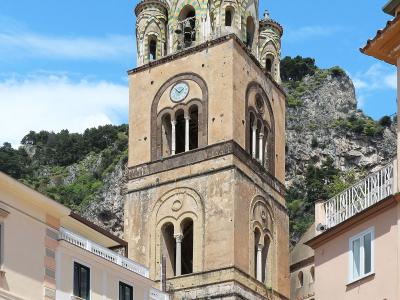
Amalfi
Historic maritime republic on the Amalfi Coast with dramatic cliffs
Campania and Amalfi Coast
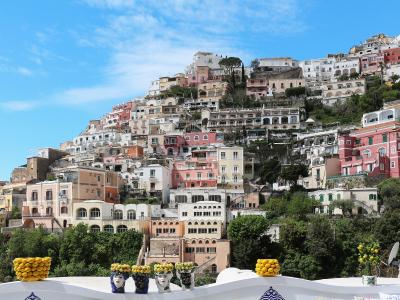
Positano
Iconic Amalfi Coast village with cascading pastel buildings and cliffs
Campania and Amalfi Coast
Capri
Iconic Italian island with Blue Grotto, dramatic cliffs, and luxury resorts