







- Admission
- €8 adult
- Hours
- Daily 9:00; Summer until 20:00
- Where
- Ravello, Campania and Amalfi Coast
- Directions
- Directions
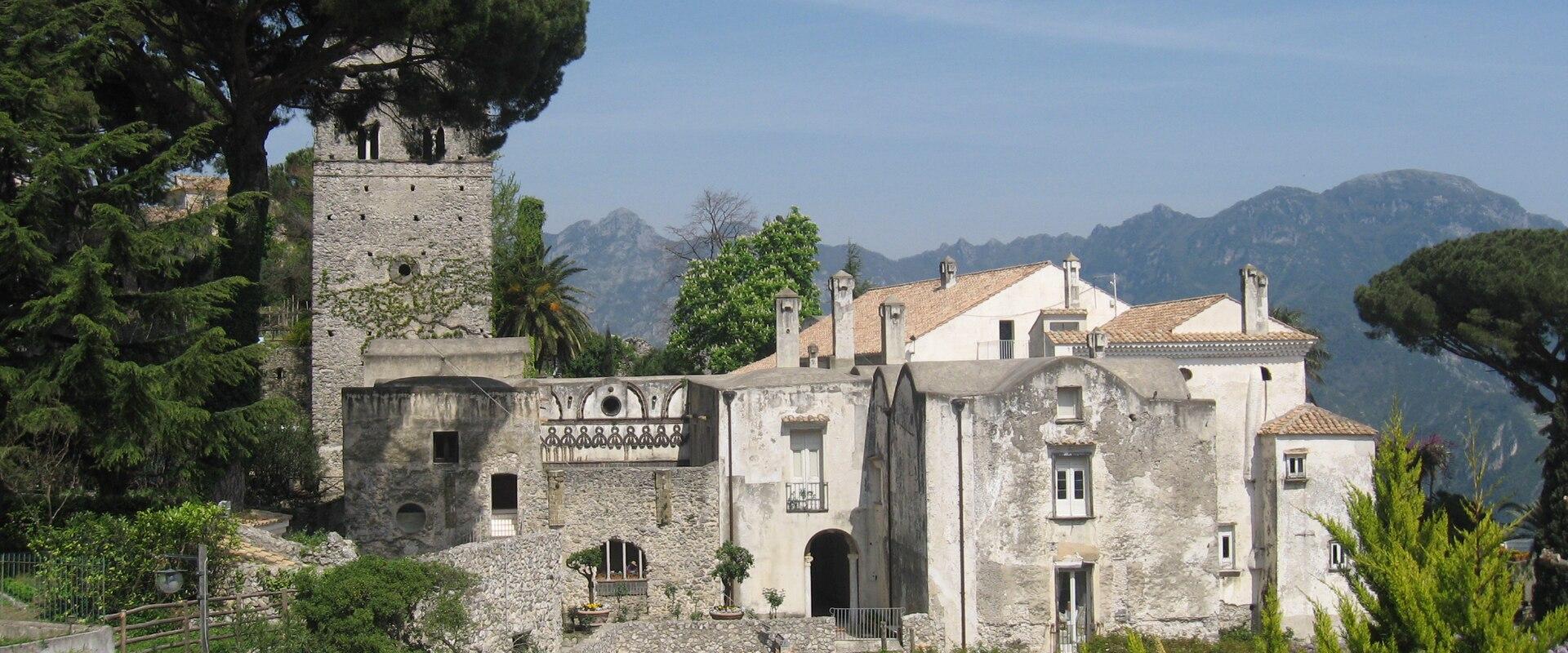
Villa Rufolo is a 13th-century clifftop complex in Ravello, a small town in Italy perched about 350 meters above the sea on the Amalfi Coast, renowned for its terraced gardens, Moorish cloisters and panoramic tower. The villa was built by the Rufolo family, wealthy merchants and bankers who rose to prominence when Ravello was one of the most prosperous towns of the Amalfi republic, and it was admired in its time: the writer Giovanni Boccaccio mentions the family in the Decameron, noting their fabulous wealth. The family’s fortunes collapsed in the 14th century, and the complex passed through other hands until it was bought in the 19th century by a Scottish businessman, Francis Neville Reid, who restored the buildings and laid out the gardens that visitors see today.
The site holds significant cultural importance as the place that inspired the composer Richard Wagner, who visited Ravello in 1880 while he was working on his last opera, Parsifal. Reaching the villa’s gardens, he is said to have exclaimed that he had found the magic garden of Klingsor, the sorcerer’s enchanted garden in the second act, and he wrote in the visitors’ book that the garden was the one he had been seeking. The story is a central part of the villa’s fame, and the villa has been associated with Wagner ever since. The villa offers sweeping views of the Amalfi Coast and the Mediterranean Sea, providing a serene and inspiring atmosphere for visitors.
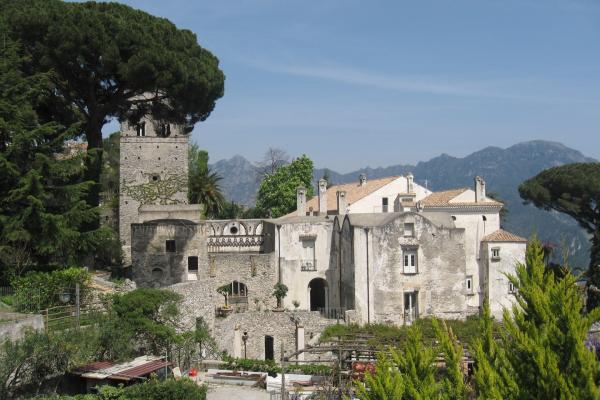
The architecture blends Norman, Gothic and Moorish styles, reflecting the diverse cultural influences of the region during the Middle Ages, when the Amalfi coast traded with the Arab world and with Byzantium. The Moorish cloister, with its interlaced arches and slender columns, is one of the highlights, as is the great tower, the Torre Maggiore, which rises over the entrance courtyard, and the Torre dello Scudo, from which the view is spectacular. A cool, vaulted hall and a series of rooms give a sense of the original medieval complex, and details of carved stone and decoration show the skill of local craftsmen.
Visitors can explore the lush gardens, which feature a variety of plants and flowers, and the historic cloisters and the tower. Terraces descend toward the sea, planted with flowers, palms, cypresses and umbrella pines, and they end at a belvedere that hangs high above the water, where visitors can look straight down to the coast. The site is a key venue for the Ravello Festival, hosting concerts and cultural events, and the stage is placed on the terrace, with the sea behind it as a backdrop; performers play against the open sky, and the concerts of Wagner’s music held here are an annual highlight. Opening hours and ticket prices are given on the official website, and the villa generally opens in the morning and stays open later in summer, when the festival is under way.
Exploring Villa Rufolo offers insight into the artistic and musical heritage of the Amalfi Coast. It is an essential stop to appreciate the region’s historical depth and natural beauty. The combination of architectural elegance and scenic views makes it a memorable destination. It complements visits to other landmarks in Ravello, such as Villa Cimbrone, with its terrace of infinity, and the Ravello Cathedral, which has a famous bronze door of the 12th century, providing a view of the town’s cultural identity. Early morning or late afternoon, when the light is soft and the crowds are thinner, are the best times to visit.
Categories
More photos coming soon
Hours & Fees
- Open
- Daily 9:00; Summer until 20:00
- Admission
- €8 adult
Hours and prices change, especially out of season. Check with the venue before you go.
Nearby Attractions
Other places to visit in Ravello
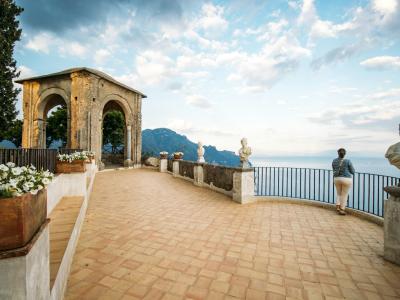
Belvedere di Villa Rufolo
13th-century clifftop gardens inspiring Wagner
From €8 Botanical Gardens · Historic Palaces
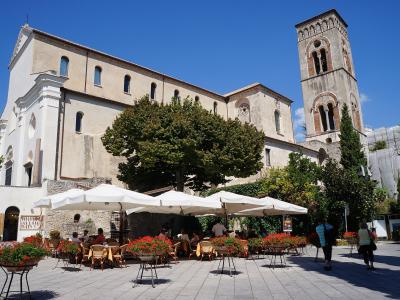
Duomo di Ravello
11th-century cathedral with 12th-century bronze doors
Architectural Monuments · Historic Churches
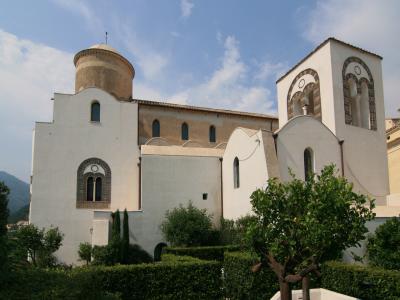
Via San Giovanni del Toro
11th-century church with 13th-century mosaic pulpit
Historic Churches · Historic Districts
Questions people ask
Quick Facts
Best Time to Visit
Visit between May and June or September and October for warm weather and fewer crowds.