







- Where
- Ravello, Campania and Amalfi Coast
- Directions
- Directions
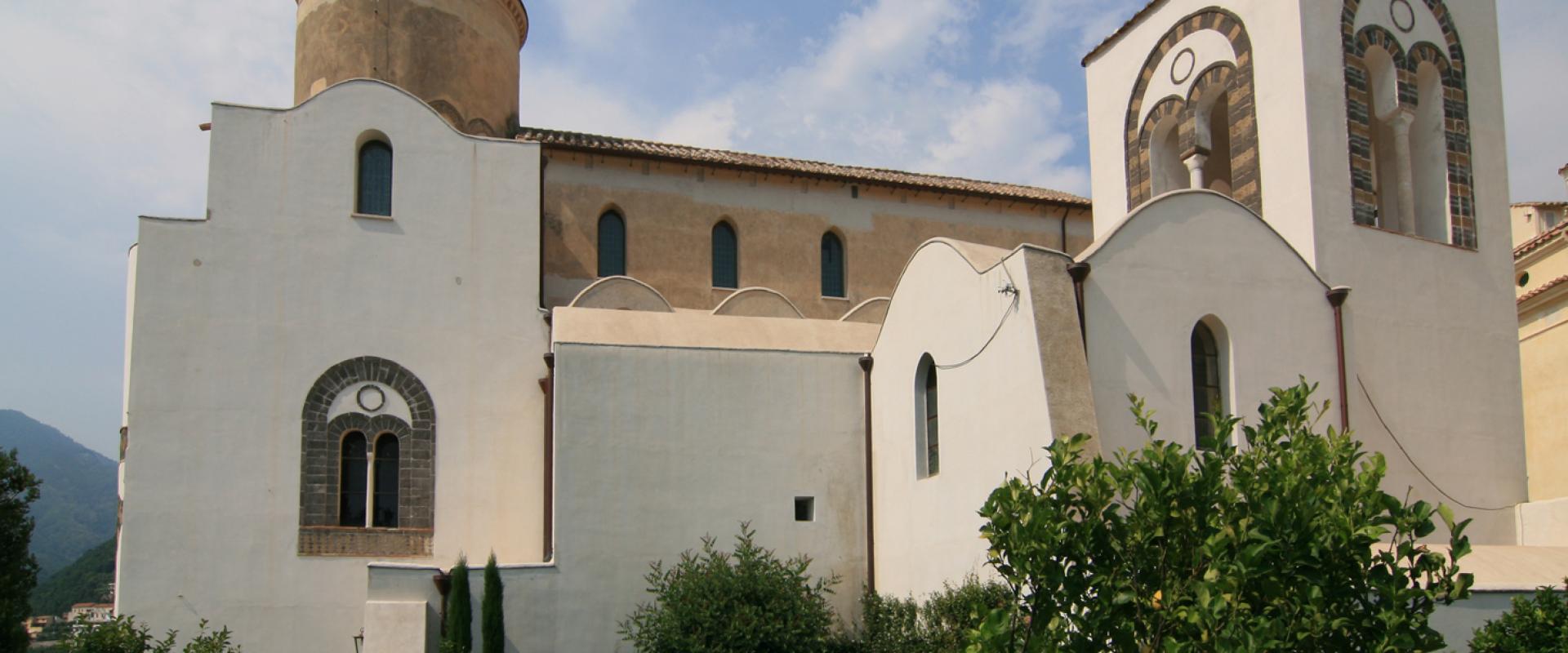
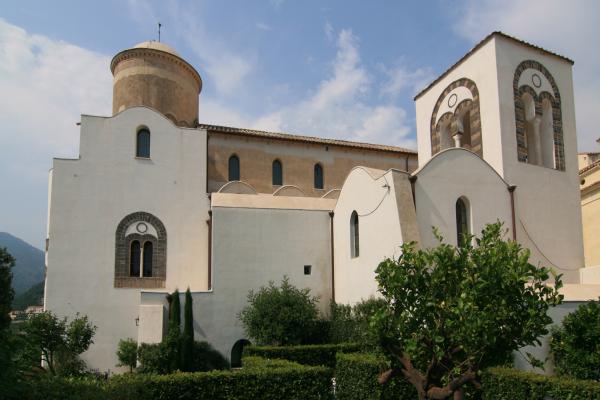
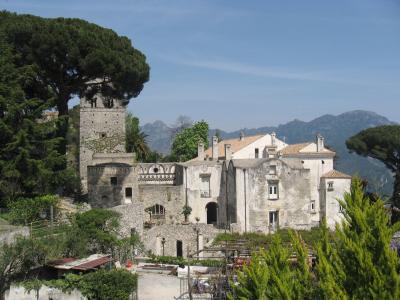
Via San Giovanni del Toro in Ravello is a historic street named after the nearby Chiesa di San Giovanni del Toro, in the old center of this small town on the heights above the Amalfi Coast, a short walk from the main square and Villa Rufolo. This church, consecrated in the 11th century, was built by order of a local lord of the Amalfi republic. It is named after John the Apostle and Il Toro, the former name of the local aristocratic quarter, where the noble families of medieval Ravello built their houses and towers. The area is quiet and has the feeling of a district that was once wealthy and has since become peaceful, with old stone walls, arches and gardens.
The building suffered earthquake damage in 1715 and required government intervention in the 1880s to prevent ruin, with further restoration occurring in the 1990s. It is a small, simple church with a bare exterior, but its interior has treasures that reward a visit. The church is most noted for its 13th-century pulpit, which is a masterpiece of the local art of mosaic. The pulpit is covered with inlaid designs of colored stone and glass in geometric patterns, in bands and medallions, and the mosaics are often said to have inspired the Dutch artist M.C. Escher, who spent time in Ravello in the 1920s. An eagle, a symbol of John the Evangelist, supports the reading desk, and pieces of Oriental pottery are set in the stonework alongside decoration reminiscent of Arabic script. Frescoes depict scenes from the life of Christ in the crypt and the walls, and are among the works of medieval painting that survive in the town.
The architecture reflects the complex cultural influences of medieval Southern Italy, blending Norman, Byzantine and Islamic artistic traditions. In the Middle Ages, the Amalfi coast traded with Constantinople, with North Africa and with the Arab world, and Ravello, with its rich merchants, was one of the places where those influences came together. The result can be seen in the arches, the patterns of the pulpit and the mixture of materials, and it makes the church a good place to understand the cosmopolitan character of the medieval south. The Cathedral of Ravello, a short walk away, has its own famous pulpit, and a bronze door of the 12th century, and the two churches are often visited together.
It is advisable to check local information for mass times, as access may be restricted during services. Modest dress is expected, and the interior is small and quiet. Exploring Via San Giovanni del Toro and the church offers insight into Ravello’s religious and artistic heritage. It is an essential stop to appreciate the region’s medieval legacy. The combination of historical depth and artistic beauty makes it a meaningful destination. It complements visits to other landmarks in Ravello, such as Villa Rufolo and the Duomo, providing a view of the town’s identity. Visitors are advised to take their time to admire the intricate details of the pulpit and the surrounding architecture, and to stroll along the lanes of the old center, where lemon groves and terraces fall away toward the sea.
Categories
More photos coming soon
Nearby Attractions
Other places to visit in Ravello
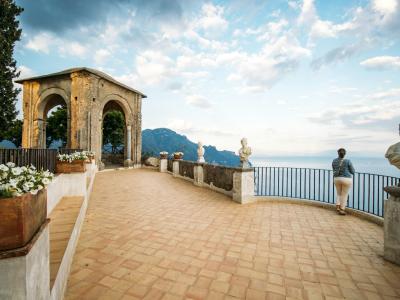
Belvedere di Villa Rufolo
13th-century clifftop gardens inspiring Wagner
From €8 Botanical Gardens · Historic Palaces
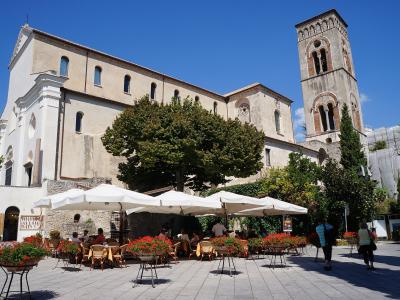
Duomo di Ravello
11th-century cathedral with 12th-century bronze doors
Architectural Monuments · Historic Churches
Villa Rufolo
13th-century gardens inspiring Wagner's Parsifal
From €8 History & Heritage · Museums & Culture
Questions people ask
Quick Facts
Best Time to Visit
Visit between May and June or September and October for warm weather and fewer crowds.