







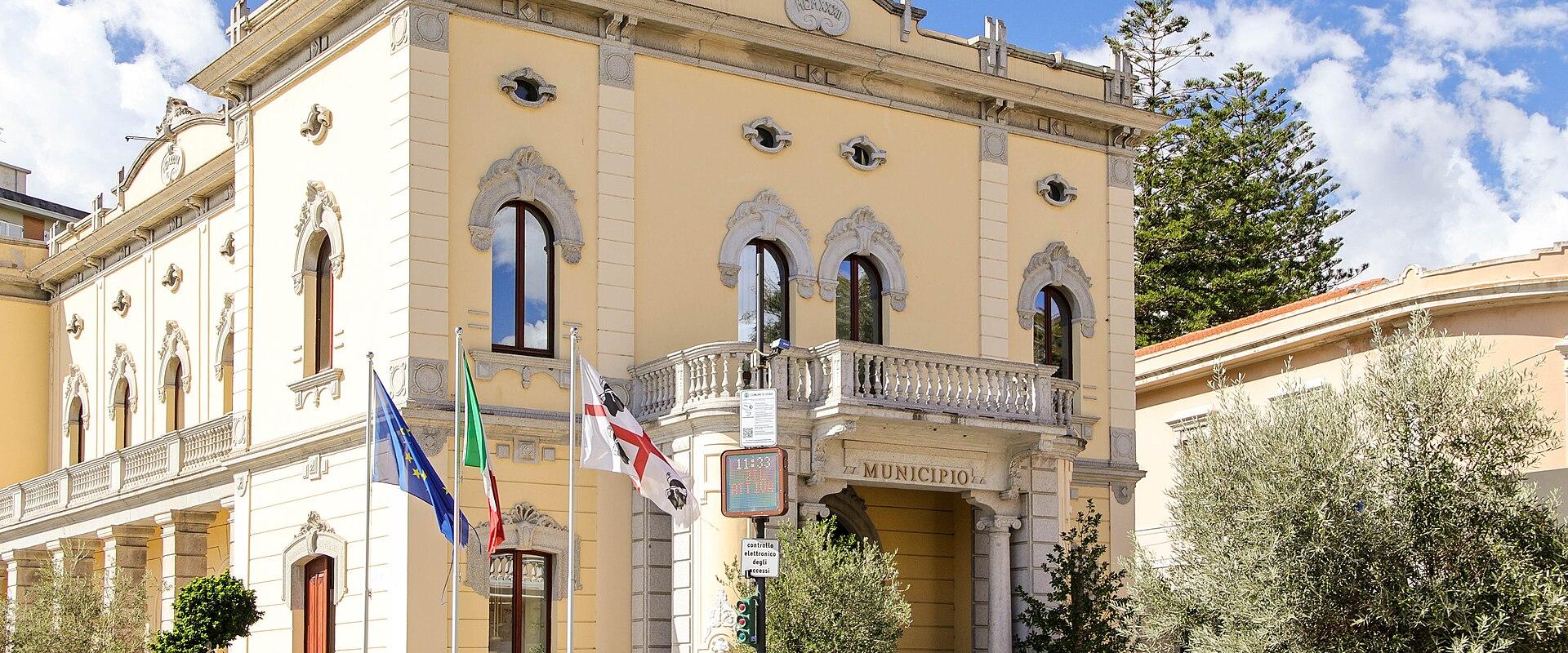
Olbia’s history goes back to prehistoric times, with evidence of Nuragic settlements in the area. The city was founded as a Greek colony named Olbia in about the 6th century BC, and later became a significant Roman settlement known for its port and trade. During the Middle Ages Olbia was contested by various powers, including the Pisans, Genoese, and Aragonese, and its defences changed with each of them. Its position on the Tyrrhenian Sea made it a commercial hub. In the 20th century Olbia became a major tourist destination, particularly with the development of the nearby Costa Smeralda. Today Olbia preserves its historic centre, with narrow streets, Roman archaeological sites, and medieval architecture, reflecting its layered past as a Greek colony, Roman port, and medieval fortress. The city also keeps its role as a vital transport hub, linking travel to and from Sardinia.
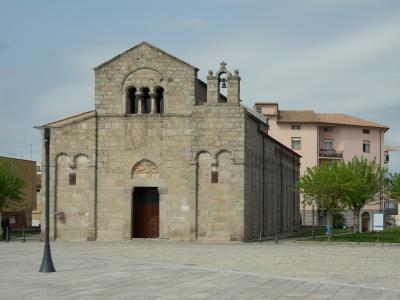
The main attractions are centred on the historical sites and the coastal amenities. The Basilica di San Simplicio, a granite church from the Romanesque period, is the city's most important religious monument and holds early Christian artefacts in its setting. The best of Olbia’s ancient heritage is displayed in the archaeological museum in the port area, which shows finds from the Punic and Roman city and its shipwrecks. The Archaeological Park of San Giovanni di Sinis is not in Olbia but far to the west of the island, near Oristano. The historic centre has the Piazza della Repubblica, surrounded by cafes and shops, and a pedestrian main street. The Porto Turistico and the main Port of Olbia are bustling hubs for ferries and yachts, with waterfront restaurants serving seafood.
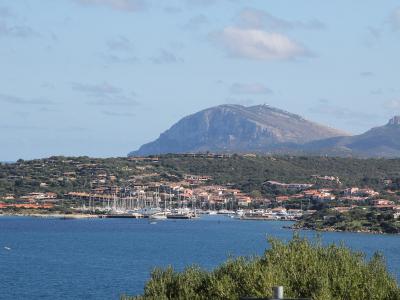
The nearby beaches, such as La Cinta, which lies farther south near San Teodoro, and Porto Rotondo, a short drive away, offer golden sand and clear water. The island of Tavolara, visible from the coast, is a protected marine reserve reached by boat. The surrounding Gallura region is known for its granite rock formations, pine forests, and the white Vermentino wine.
Activities in Olbia include exploring the historical sites, visiting the port, and enjoying the nearby beaches. The city is known for traditional Sardinian cuisine, including seafood dishes, culurgiones, and wines such as Cannonau. Visitors can take boat trips to Tavolara and the La Maddalena Archipelago. The area offers hiking, cycling, and golf, with several courses in the Costa Smeralda. Olbia also hosts festivals and events through the year, including the Olbia Jazz Festival. Shopping includes local ceramics, textiles, and food products. For those interested in history, guided tours explore the Roman and medieval heritage of the city.
Getting to Olbia is convenient by air, sea, and road. Olbia Costa Smeralda Airport serves domestic and international flights, and is close to the city. Ferries operate from Olbia to Genoa, Livorno, and Civitavecchia. The city is well connected by road to other parts of Sardinia.
The best time to visit Olbia is from May to June or September to October, when the weather is warm and pleasant, ideal for beach activities and sightseeing. July and August are peak tourist months, with higher temperatures and larger crowds. Winter is mild but can be windy. Despite the seasonal variations, Olbia’s rich history and coastal beauty make it a rewarding destination year-round.
Best time to visit
Visit between May and June or September and October for warm weather and fewer crowds.
What to see in Olbia
Our picks first.
Olbia by interest
The same sights, grouped by what you came for.
Planning a visit to Olbia
Good to know
- Currency
- EUR
- Language
- Italian
Quick Facts
Book your stay
Questions people ask
More places in Sardinia
Sardinia
Cagliari
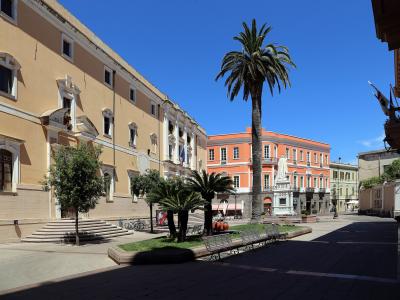
Sardinian capital with medieval Castello district and Poetto Beach
Sardinia
Oristano
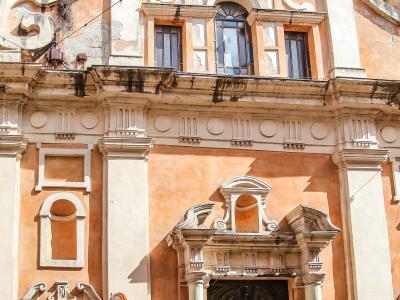
Sardinian coastal city known for Sartiglia festival and medieval history
Sardinia
Sassari
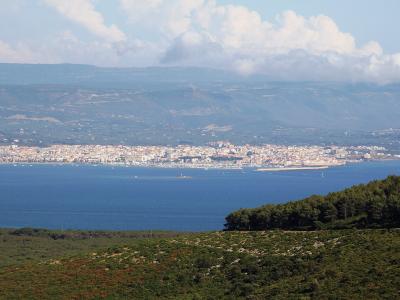
Sardinia's second city with medieval history, academic life, and Baroque architecture
Sardinia
Alghero
Catalan-speaking coastal city in Sardinia with medieval walls and grottos