







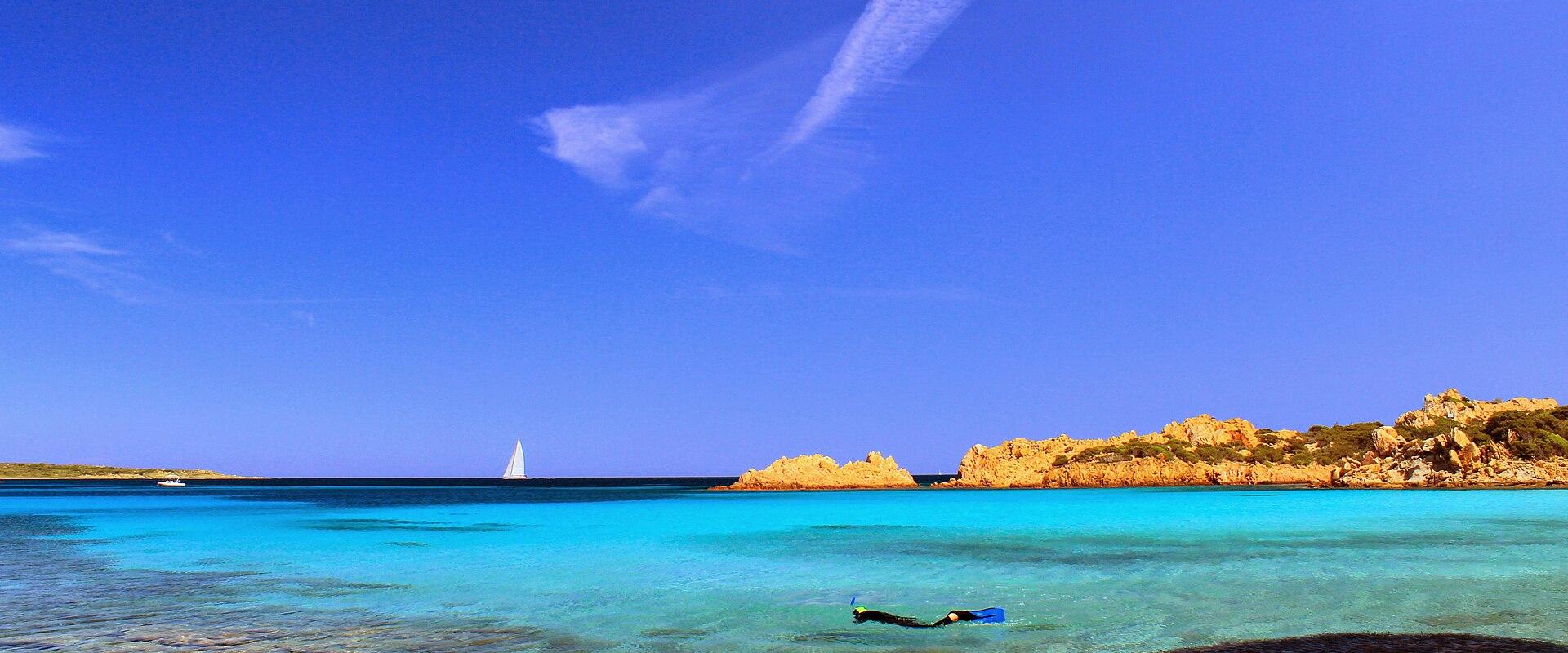
La Maddalena and Caprera
Granite archipelago of Garibaldi, turquoise coves and a national park
The La Maddalena archipelago lies in the Strait of Bonifacio between Sardinia and Corsica, a short crossing from the port of Palau. Its islands are made of granite worn by wind and sea into rounded rocks and sheltered coves, covered by Mediterranean scrub, juniper and pine. The largest are La Maddalena, Caprera, Santo Stefano, Spargi, Budelli and Razzoli. The town of La Maddalena, on the main island, is the only substantial settlement. Its harbour, its grid of narrow streets and its pastel houses give it a distinctive Ligurian-Corsican flavour, and the local dialect, Maddalenino, mixes Sardinian and Corsican.
The strategic position of the islands shaped their history. In 1793, the French expedition that included Napoleon Bonaparte tried to take the island, in what was his first combat experience, and failed. During the Napoleonic Wars Admiral Horatio Nelson used the archipelago as a base for the British fleet in the Mediterranean. In the twentieth century the Italian navy used La Maddalena as a base, and the United States Navy kept a presence on Santo Stefano until 2008. The town's history of military installations is visible in the forts and batteries on the hills.
Caprera is joined to the main island by a short causeway and is the quieter of the two. In 1856 Giuseppe Garibaldi settled on the island, and he lived on his farm there until his death in 1882. The Compendio Garibaldino, the whitewashed house, farmland and tomb, is a museum, and the stone-walled farmyard and simple rooms give an impression of how the hero of Italian unification chose to live in his last years. Opening hours and tickets are set locally, so check before visiting.
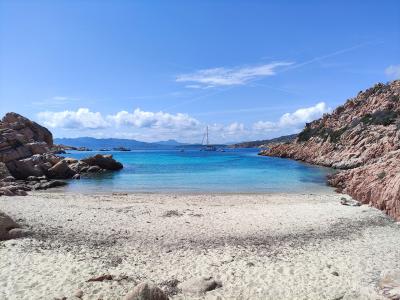
Caprera is also home to Cala Coticcio, the cove nicknamed Tahiti. It has a small beach of white sand between granite rocks and water in shades of turquoise, and it is one of the most photographed places in Sardinia. There is no road to the beach. It is reached either by a walking trail from the car park area on the island or by boat, and in recent years access has been regulated to protect the site, so it is essential to check the current rules of the park authority before planning a visit. A good pair of shoes is necessary for the trail, and there is no shade or shop at the cove.
Other beaches are easier. Spalmatore and Bassa Trinita on La Maddalena, and Cala Napoletana and Cala Brigantina on Caprera, are accessible by road or short walks. Boat tours from the port of La Maddalena and from Palau go around the smaller islands, including Spargi, Budelli and Razzoli. The pink sand of Budelli's famous beach is protected and landing there is not allowed, although it can be seen from the water.
Fish and shellfish dominate the local food, together with Sardinian pasta, cheese and Vermentino wine from nearby Gallura. The town has a good number of small restaurants around the harbour and in the lanes behind it.
Getting there is simple: car ferries sail from Palau throughout the day, and a short bus or car trip links the town to the beaches. The best months for visiting are late May, June and September, when the water is warm, the winds are moderate and the crowds are smaller. July and August are very busy, with queues for the ferries and for popular coves, and the mistral wind can blow strongly at any time of the year and affect boat trips.
Best time to visit
Late May to early July and September for swimming and boat trips with fewer crowds; July and August are busiest and hottest.
What to see in La Maddalena and Caprera
Our picks first.
La Maddalena and Caprera by interest
The same sights, grouped by what you came for.
Planning a visit to La Maddalena and Caprera
Good to know
- Currency
- EUR
- Language
- Italian
Quick Facts
Book your stay
Questions people ask
More places in Sardinia
Sardinia
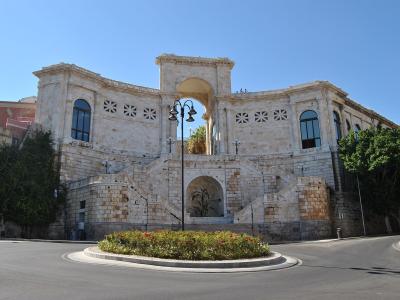
Cagliari
Sardinian capital with medieval Castello district and Poetto Beach
Sardinia
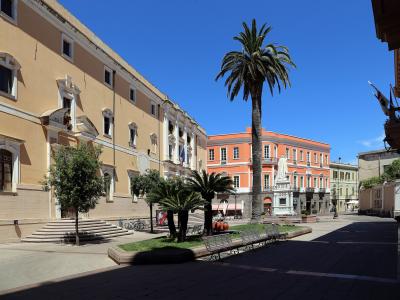
Oristano
Sardinian coastal city known for Sartiglia festival and medieval history
Sardinia
Sassari
Sardinia's second city with medieval history, academic life, and Baroque architecture
Sardinia
Alghero
Catalan-speaking coastal city in Sardinia with medieval walls and grottos