Ischia
Volcanic island in Bay of Naples known for thermal springs and lush gardens
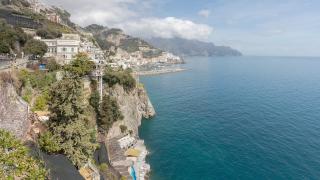
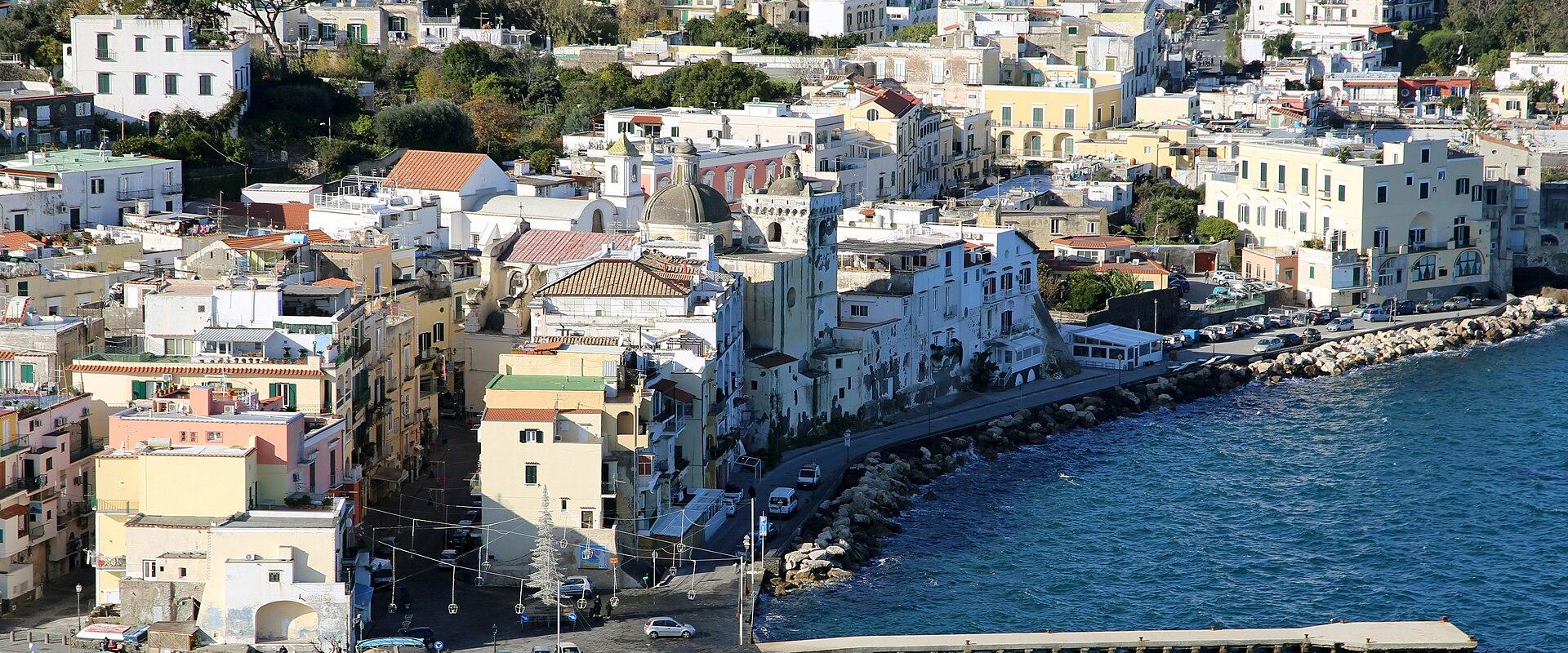
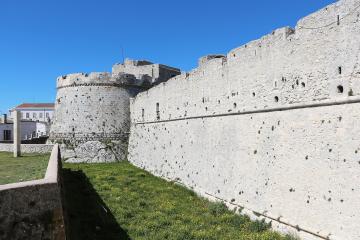
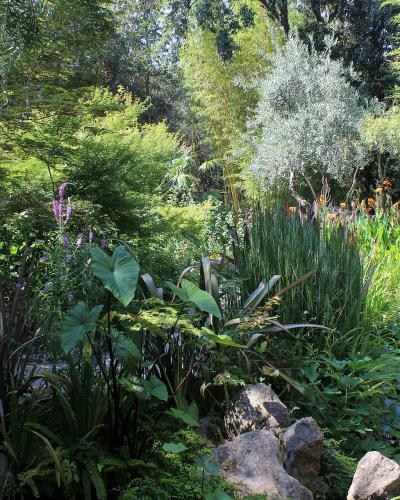
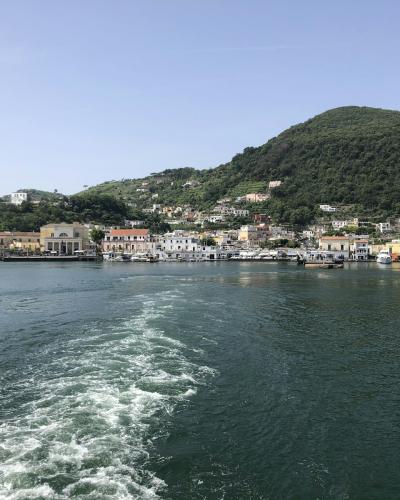
Ischia, the largest of the Phlegrean Islands, is a destination defined by its volcanic heritage and therapeutic allure. Located in the Tyrrhenian Sea, approximately 30 kilometers west of Naples, the island covers an area of 46 square kilometers and is home to approximately 62,000 residents. The island's history is deep and complex, with evidence of human settlement dating back to the Bronze Age. Greek colonists from Euboea established a settlement here in the 8th century BC, naming it Aenaria. The Romans later recognized the island's value, with emperors such as Augustus and Tiberius building villas here to enjoy the restorative thermal waters. The island's volcanic nature has shaped its landscape and economy; the thermal springs, rich in sulfur and other minerals, have been used for healing since antiquity. Today, these waters are the island's primary attraction, with numerous thermal parks and spas offering treatments and baths. The main towns of Ischia Porto and Ischia Ponte serve as the commercial and administrative centers. Ischia Porto, with its bustling harbor and historic center, is the gateway for most visitors, while Ischia Ponte, connected by a bridge, features the Aragonese Castle, a medieval fortress perched on a small islet that offers stunning views. Other notable comuni include Forio, known for its panoramic views and thermal baths at La Piomba; Lacco Ameno, famous for its beach and the Grotta del Sogno (Dream Cave); and Casamicciola Terme, a historic spa town. Activities on Ischia range from relaxation to adventure. Visitors can explore the island's botanical gardens, such as the Giardini La Mortella, created by composer Willam Walton and his wife Susana Walton, which showcase a diverse collection of plants. Hiking trails lead to the summit of Mount Epomeo, the highest point on the island at 789 meters, offering breathtaking views of the Bay of Naples and the Amalfi Coast. Water activities include swimming, snorkeling, and boat tours to nearby islands like Procida and Capri. The island's cuisine features fresh seafood, local wines, and vegetables grown in the fertile volcanic soil. Getting to Ischia is primarily by ferry or hydrofoil from Naples, Pozzuoli, or Procida. The journey takes between 50 minutes to 1.5 hours depending on the type of vessel and departure point. Once on the island, public buses connect the main towns, though renting a car or scooter is recommended for exploring the more remote areas. The best time to visit Ischia is from May to June and September to October. During these months, the weather is warm and sunny, ideal for beach activities and outdoor exploration, without the intense heat and crowds of July and August. Winter is mild but some tourist services may be limited, while summer offers the best weather for swimming but can be crowded and expensive.
Best Time to Visit
Visit in May to June or September to October for warm weather and fewer crowds.
Did you know?
Interesting, verified facts about Ischia
Ischia Has a Distinct Local Story
HistoryIschia is a volcanic island located in the Tyrrhenian Sea within the Bay of Naples, Campania region.
Source: Ischia, Campania - WikipediaIschia Has Another Verifiable Detail
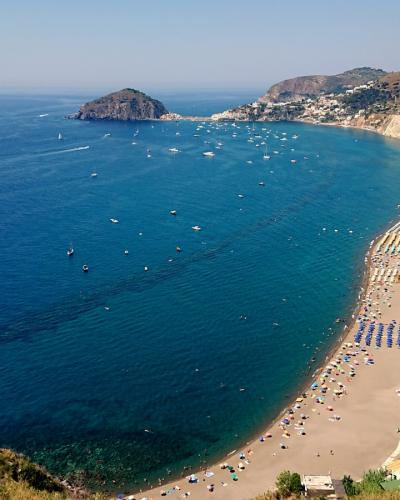
HistoryThe island offers a distinct atmosphere compared to its neighbor Capri, characterized by a more authentic local life, extensive agricultural terraces, and a variety of landscapes ranging from sandy beaches to rocky coves.
Source: Are there sandy beaches in Ischia? - Mike GravelPlan Your Visit to Ischia
Essential travel tips and information for your trip to Ischia.
Suggested Itineraries
One Day in Ischia
1 dayOne-day tour of Ischia's Aragonese Castle and thermal springs
View ItineraryIschia Cultural Heritage
2 days2-day tour of Ischia's Aragonese Castle and thermal heritage
View ItineraryTravel Tips
Currency
EUR • Cards widely accepted
Language
Italian • English in tourist areas
WiFi
Free WiFi in cafes and hotels
Explore Ischia by Interest
Discover attractions and experiences in Ischia organized by your interests and travel preferences.
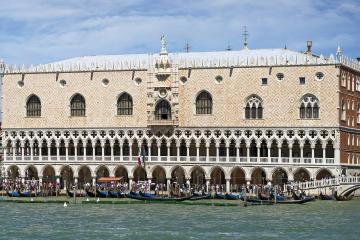
All attractions in Ischia
Sorted by our recommendation score
Quick Facts
Book your stay
Frequently Asked Questions
More destinations in Campania and Amalfi Coast
Explore other amazing places in the Campania and Amalfi Coast region