







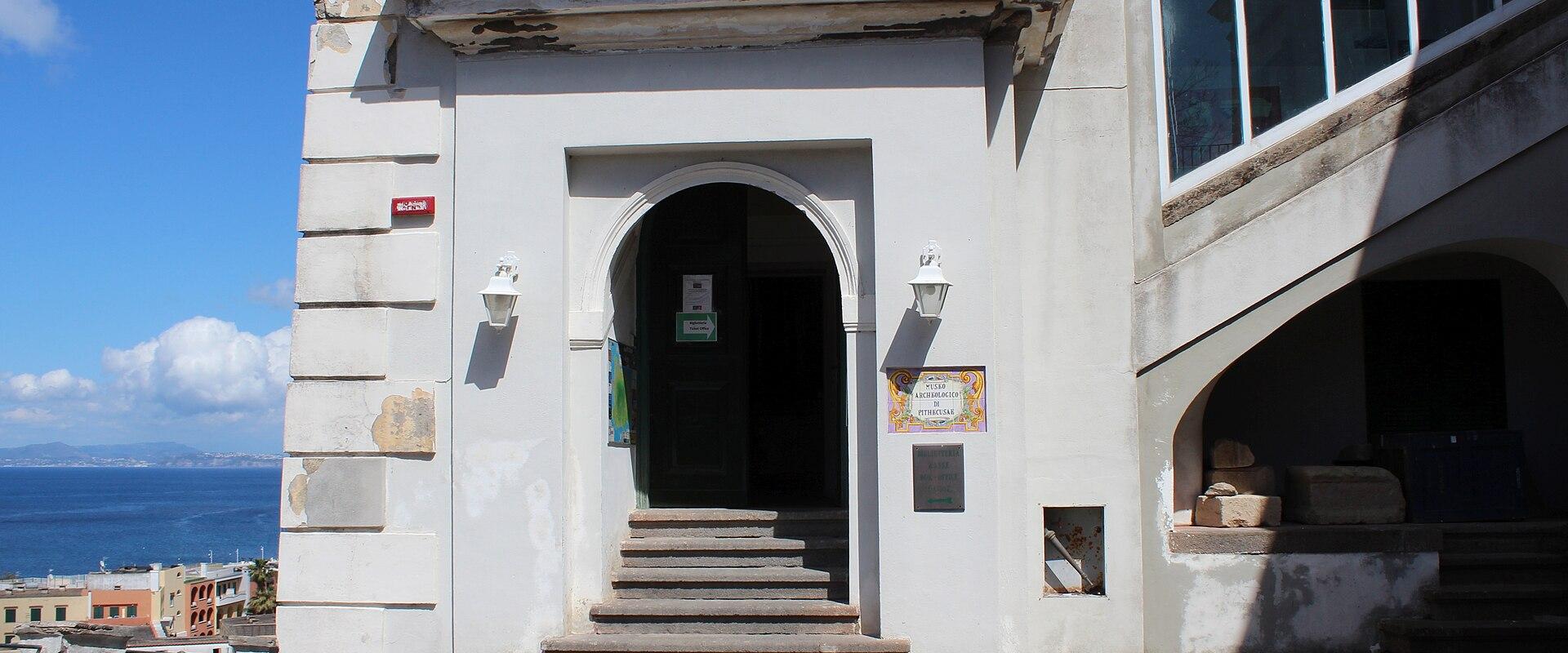
Museo Archeologico dell'Isola d'Ischia
Archaeological museum of Ischia's Greek history
- Where
- Ischia, Campania and Amalfi Coast
- Directions
- Directions
Ischia is the largest island in the Gulf of Naples, and it has one of the most interesting ancient histories of any island in the Tyrrhenian Sea. In the 8th century BC, Greek settlers from Euboea founded a colony here that they called Pithekoussai, among the earliest Greek settlements in the western Mediterranean. The settlement lay on the north-west coast, around Monte Vico and the area of Lacco Ameno, and it grew rich as a trading post, linking the Greeks with the Etruscans, with the peoples of the Italian mainland and with the Phoenicians of the western sea. Workshops there smelted iron brought from Elba, and pottery and metal goods were exported along the coast.
The Museo Archeologico dell’Isola d’Ischia, dedicated to the island’s ancient past, tells that story through the objects found in its cemeteries and settlement. Typical displays include painted vases of Greek and local styles, jewellery, bronze brooches, weapons and tools, as well as Roman pottery, inscriptions and architectural fragments from the centuries when Ischia belonged to Rome. The most famous single object is the so-called Cup of Nestor, a Rhodian drinking cup of about 730 BC scratched with a short verse in Greek, one of the oldest known examples of alphabetic writing; it is exhibited at the Villa Arbusto museum in Lacco Ameno, where the main collection of Pithekoussai is housed, so visitors with an interest in the island’s archaeology often want to see both places. It is worth asking locally which museum currently houses which finds.
The island’s volcanic nature is part of the story. Ischia is the product of volcanic activity, and the high peak of Monte Epomeo and the thermal springs are signs of it. Ancient sources and archaeology suggest that eruptions and earthquakes made life difficult for the early colonists, and that many of them eventually left for the mainland and helped found Cumae and other settlements. Museum displays on geology and volcanic history help to explain this link between landscape and settlement.
A visit is quiet and unhurried, a good rainy-day alternative to the beaches and thermal gardens that draw most visitors to the island. It suits anyone interested in classical archaeology, in the early Greek colonies, or in the way the island’s geography shaped its history. Check opening times and ticketing locally before you go, because they change with the season. The museum fits easily with visits to the Aragonese Castle at Ischia Ponte and to the gardens at La Mortella, and it gives context to the walks that lead to the viewpoints and ruins on other parts of the island.
Categories
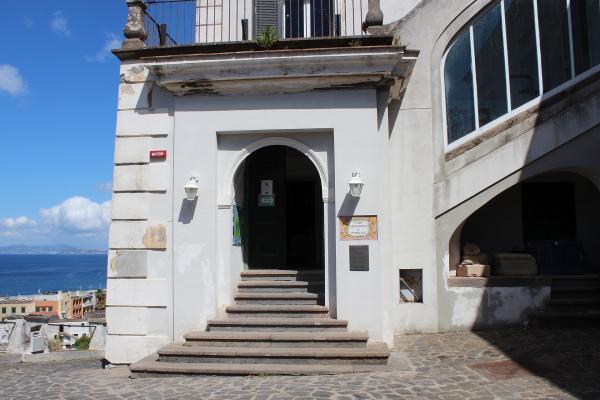
More photos coming soon
Nearby Attractions
Other places to visit in Ischia
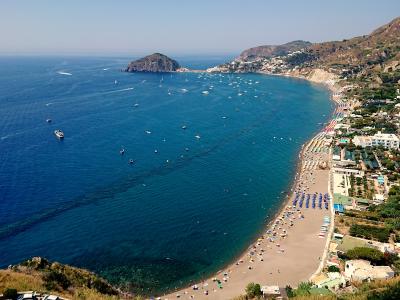
Spiaggia di San Montano
Split free and paid beach near Lacco Ameno town
Beaches · Islands
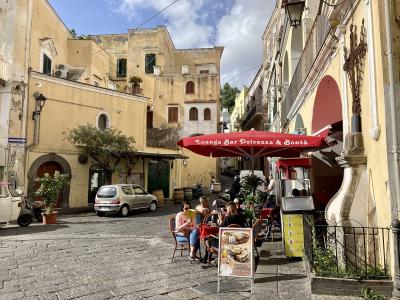
Ischia Ponte
Historic village connected to Aragonese Castle
Castles & Fortresses · Fishing Villages
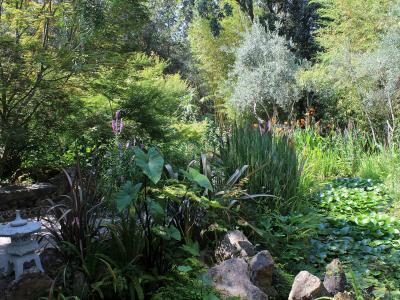
Giardino La Mortella
2-hectare split-level gardens on Ischia
From €8 Botanical Gardens · Historic Palaces
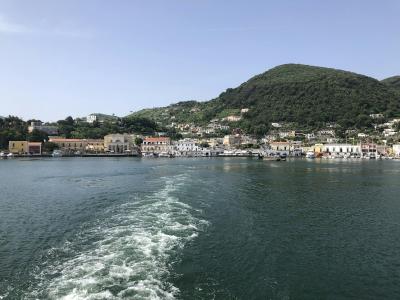
Fontana di Lacco Ameno
Historic thermal fountain in Lacco Ameno
Historic Fountains · Historic Towns
Questions people ask
Quick Facts
Best Time to Visit
Visit in May to June or September to October for warm weather and fewer crowds.