







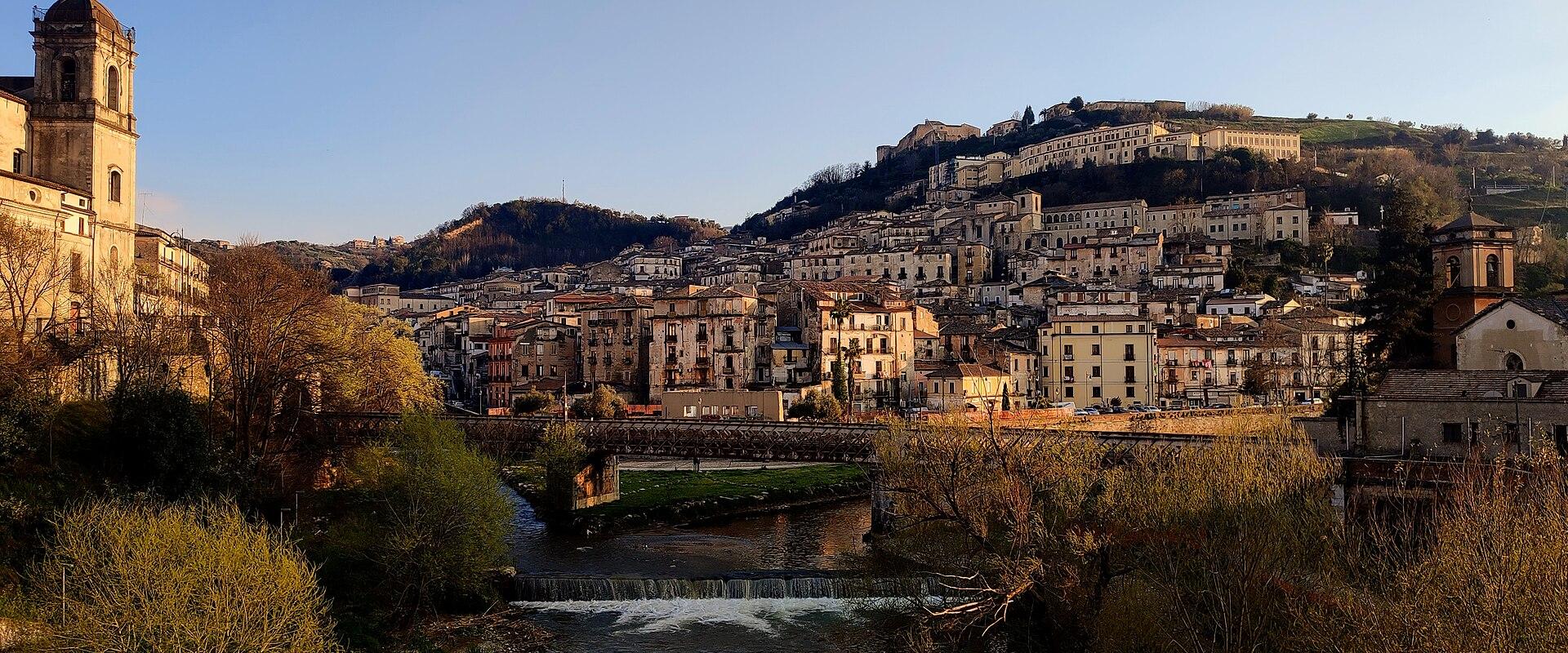
Cosenza’s history dates back to pre-Roman times, with settlements by the Brutti and later the Romans, who named it Cosentia. The city flourished under Roman rule but declined after the fall of the Empire. Legend holds that the Visigothic king Alaric was buried in the bed of the Busento river after his death near the city in 410. During the Middle Ages Cosenza became a significant centre under the Normans, who built the Aragonese Castle on the hilltop to fortify the area; it was later expanded by the Swabians and Aragonese. The city was also a centre of learning and culture, particularly during the Renaissance, with the establishment of the Accademia Cosentina, one of the oldest academies in Italy. In the 19th century Cosenza played a role in the Italian unification movement, with figures such as Carlo Pisacane launching expeditions from the region. Today the city preserves its historic centre, with narrow streets, medieval palaces, and churches that reflect its layered past as a Roman colony, Norman stronghold, and Renaissance centre of learning.
The main attractions are centred on the historic centre and cultural institutions. The Aragonese Castle, a massive fortress that dominates the skyline, is reached by a steep climb and gives wide views over the valley. The Cathedral of Santa Maria Assunta, the Duomo di Cosenza, a Gothic and Romanesque building with later Baroque touches, is a significant religious site, and holds a precious Byzantine reliquary cross and a crypt. The Piazza Duomo is the social centre of the city, surrounded by historic buildings and cafes. The Palazzo Arnone, a Renaissance building, houses the Galleria Nazionale di Cosenza, with works of Calabrian and southern Italian art. The Accademia Cosentina is a historic academy with a rich library and art from the region, and the Bridge of San Francesco di Paola, designed by Santiago Calatrava, is a modern landmark with views of the river and the old town.
Beyond the city, the Orto Botanico dell'Università della Calabria is a botanical garden that offers a peaceful retreat with diverse plant species. The Museo Archeologico Nazionale della Sibaritide, in Cassano all'Ionio in the province of Cosenza, is a long drive from the city and displays finds from the ancient Greek city of Sybaris.
Activities in Cosenza include exploring the historic centre, visiting museums, and enjoying the local cuisine. The city is known for traditional Calabrian dishes, including 'nduja, a spicy spreadable sausage, fresh pasta, cured meats, and wines such as Cirò. Visitors can take guided tours to learn about the history of the Norman and Aragonese periods. The surrounding area offers hiking in the Sila National Park, a high plateau of pine forests and lakes close to the city, and in the Aspromonte National Park, which lies much farther south at the toe of the peninsula. Cosenza also hosts festivals and events through the year, including the Cosenza Jazz Festival and the Feast of Santa Maria Assunta. Shopping includes local ceramics, textiles, and food products. For those interested in history, guided tours explore the Roman and medieval heritage of the city.
Getting to Cosenza is convenient by road and rail. The city is reached by car from Reggio Calabria, a drive of about two hours or more, via the A2 motorway. Cosenza is also connected by train to major cities such as Naples and Bari, usually with a change, and the main Tyrrhenian line is reached at Paola. The nearest airports are Lamezia Terme Airport and Reggio Calabria Airport, and Lamezia Terme is the closer.
The best time to visit Cosenza is from April to June or September to October, when the weather is mild and pleasant, ideal for outdoor attractions and historic sites. July and August are peak tourist months, with higher temperatures and larger crowds. Winter is cool but offers a quieter experience, with the city’s museums and cafes providing cultural entertainment. Despite the seasonal variations, Cosenza’s rich history and natural beauty make it a rewarding destination year-round.
Best time to visit
Visit between April and June or September and October for mild temperatures and fewer crowds.
What to see in Cosenza
Our picks first.
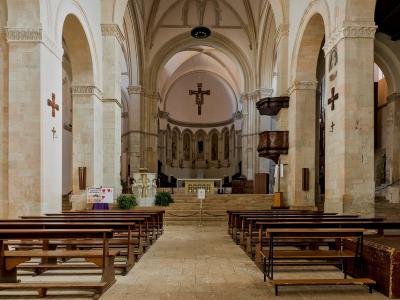
Duomo di Cosenza (Cathedral of Santa Maria Assunta)
13th-century cathedral blending Romanesque, Gothic, and B...
Architectural Monuments · Historic Churches
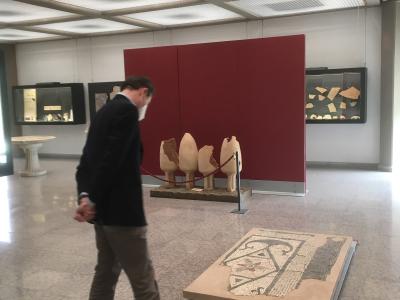
Museo Archeologico Nazionale della Sibaritide
Museum of ancient Sybaris in Cassano all'Ionio
Ancient Ruins · Archaeological Museums
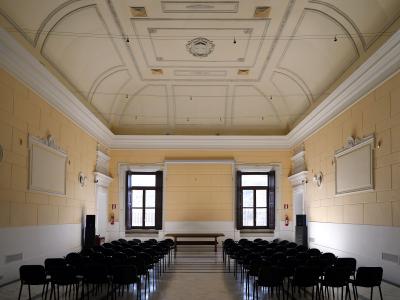
Palazzo Arnone
Renaissance building housing 16th-18th century paintings
Art Museums · Historic Palaces
Cosenza by interest
The same sights, grouped by what you came for.
Planning a visit to Cosenza
Itineraries that include Cosenza
Good to know
- Currency
- EUR
- Language
- Italian
Quick Facts
Book your stay
Questions people ask
More places in Calabria
Calabria
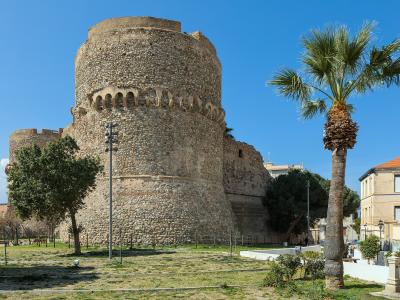
Reggio Calabria
Historic Italian city with ancient Greek art and Mediterranean views
Calabria
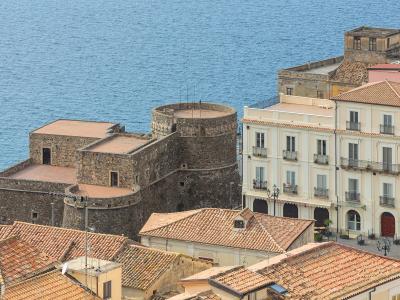
Pizzo
Calabrian coastal town famous for tartufo and Murat Castle
Calabria
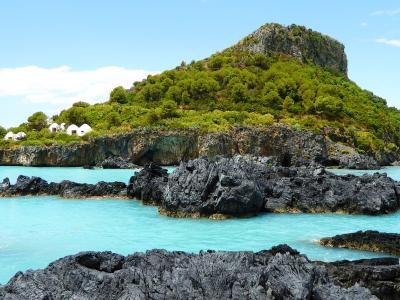
Praia A Mare
Calabrian beach resort on the Tyrrhenian Sea with sandy shores
Calabria
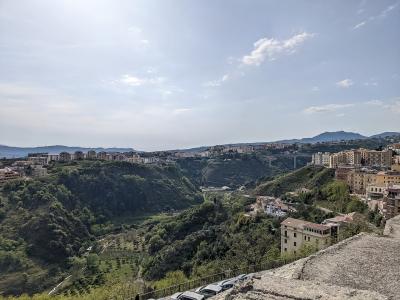
Catanzaro
Calabrian capital known as the City Between Two Seas with panoramic views