







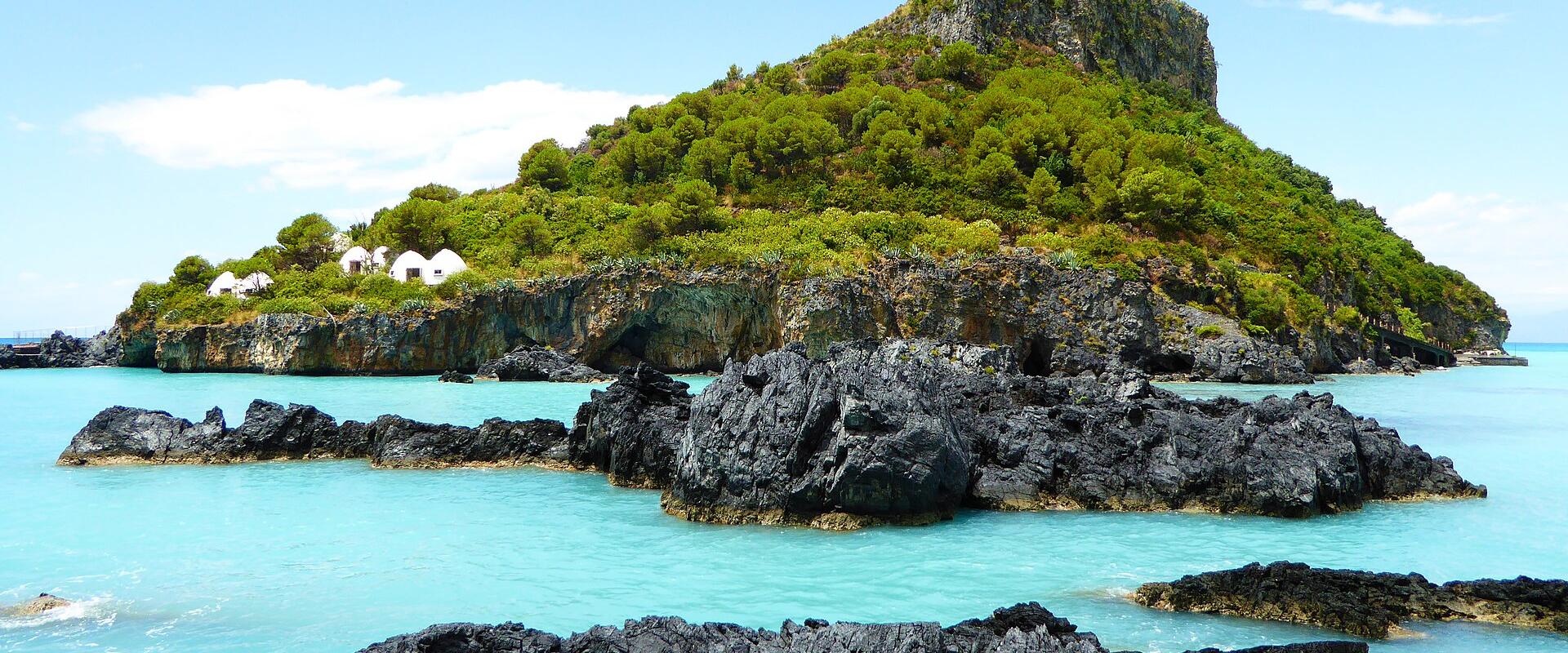
Praia a Mare’s history is rooted in its origins as a small fishing village. For centuries the local economy was based on fishing and agriculture. In the 20th century the town changed into a significant tourist destination, capitalizing on its long sandy beaches and favourable climate. The development of tourism infrastructure, including hotels, resorts, and restaurants, has shaped the town’s modern character. While it retains some traditional Calabrian charm, Praia a Mare is primarily known as a holiday spot, popular with families and sun-seekers. Its layout is oriented toward the sea, with the beachfront as the main focus of activity, and the surrounding area includes agricultural land producing olives, citrus fruits, and other Mediterranean crops.
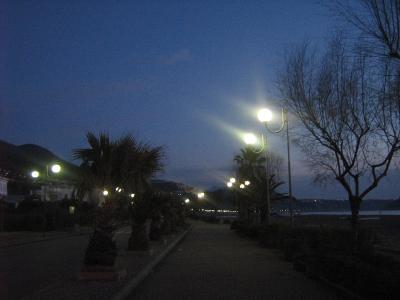
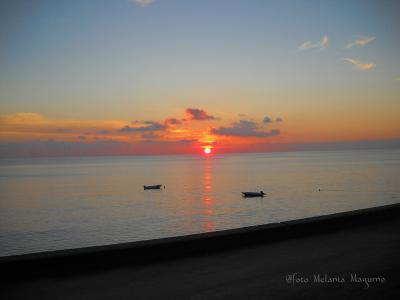
The main attractions are centred on the beaches and the coastal environment. The Spiaggia di Praia a Mare is a long stretch of fine sand divided into sections managed by different beach clubs (lidi), which offer sunbeds, umbrellas, and water sports. The clear, shallow waters are good for swimming and snorkelling. The waterfront promenade, the Lungomare di Praia a Mare, is a popular place for evening strolls, lined with cafes, ice cream parlours, and restaurants serving fresh seafood and local Calabrian cuisine. The historic centre, set slightly inland, has traditional architecture and local shops, and the offshore island of Dino can be reached on boat excursions from the harbour.
Activities include swimming, sunbathing, and water sports such as jet skiing and parasailing. Dining features fresh seafood, grilled fish, and traditional Calabrian dishes such as 'nduja, a spicy spreadable sausage, and pasta with local vegetables. Shopping includes local ceramics, textiles, and food products, and the town hosts events and festivals through the year celebrating local culture and food. Anyone willing to drive can explore a wider stretch of the Tyrrhenian coast. Tropea, with its historic centre and cathedral, and the Capo Vaticano area, known for dramatic cliffs and crystal-clear water, lie much farther south in the province of Vibo Valentia, so they are better treated as a separate excursion of a couple of hours each way than a quick half-day trip. Closer to hand, the Lungomare and the hills behind town make for easier outings.
Getting to Praia a Mare is easiest by road. The town is accessible by car from major cities in Calabria, such as Cosenza and Reggio Calabria, though the distances are considerable, and public buses connect it to nearby towns and cities. A railway line runs along the coast, which makes the town reachable from both Naples and Calabria. For those flying, the nearest airports are in Crotone and Reggio Calabria, both a long way away, so most visitors arrive by car or train.
The best time to visit Praia a Mare is from June to September, when the weather is warm and sunny and ideal for beach activities. July and August are peak tourist months, with higher temperatures and larger crowds, and accommodation near the seafront fills early. Spring and autumn offer milder weather and fewer tourists, which suits sightseeing and walks in the hills, although many beach clubs close outside the main season. Despite the seasonal swings, the long beaches and relaxed atmosphere make Praia a Mare a rewarding destination for beach lovers.
Best time to visit
Visit between June and September for warm weather and ideal beach conditions.
What to see in Praia A Mare
Our picks first.
Praia A Mare by interest
The same sights, grouped by what you came for.
Planning a visit to Praia A Mare
Good to know
- Currency
- EUR
- Language
- Italian
Quick Facts
Book your stay
Questions people ask
More places in Calabria
Calabria
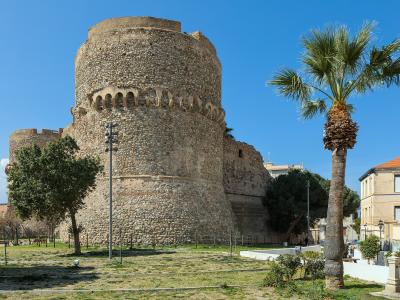
Reggio Calabria
Historic Italian city with ancient Greek art and Mediterranean views
Calabria
Pizzo
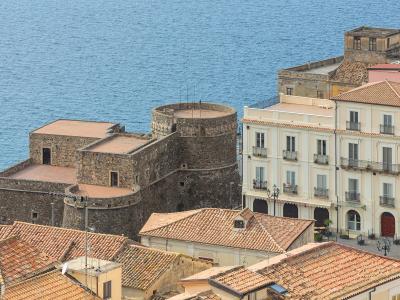
Calabrian coastal town famous for tartufo and Murat Castle
Calabria
Cosenza
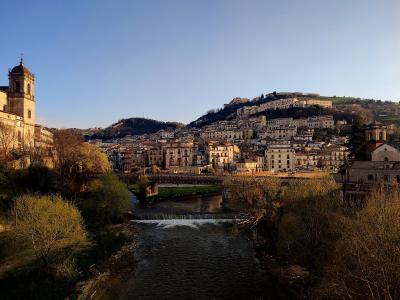
Historic Calabrian city on seven hills with Norman castle and cathedral
Calabria
Catanzaro
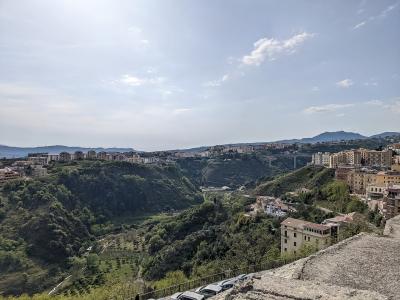
Calabrian capital known as the City Between Two Seas with panoramic views