







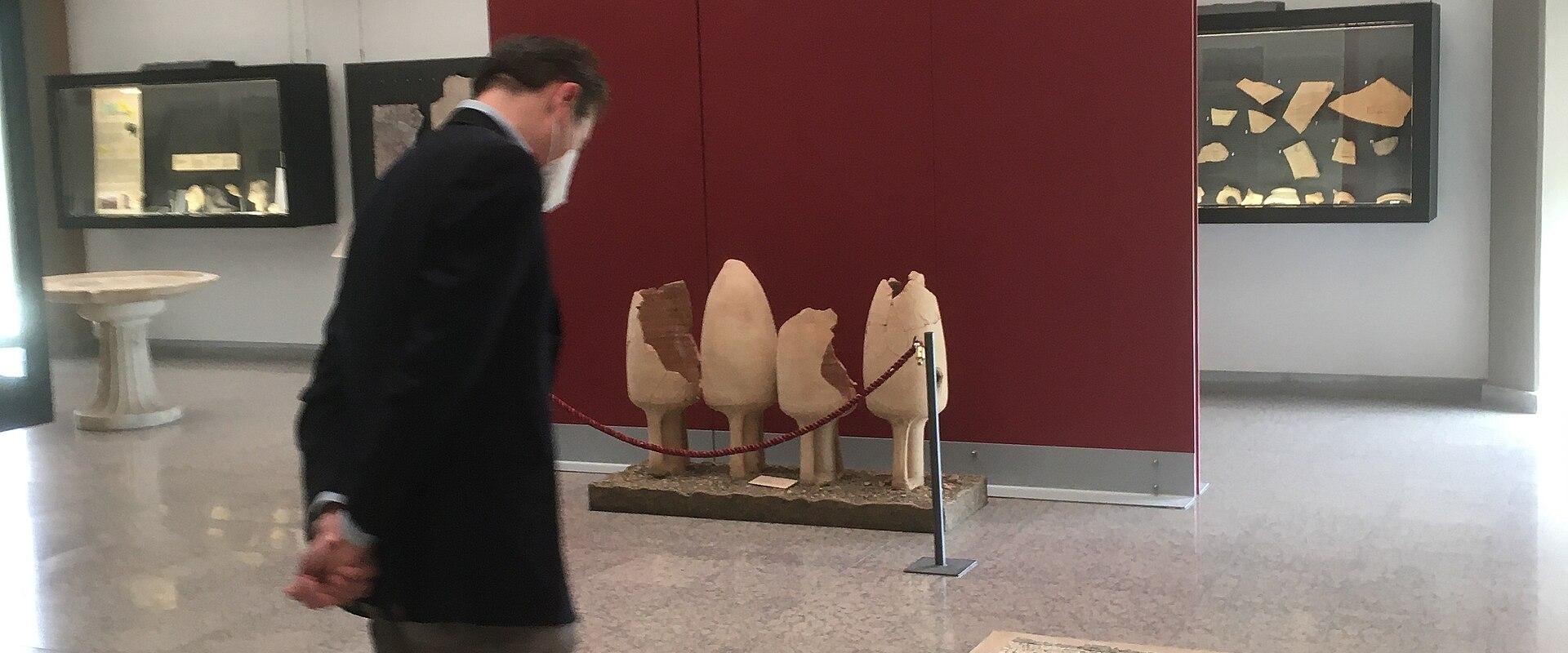
Museo Archeologico Nazionale della Sibaritide
Museum of ancient Sybaris in Cassano all'Ionio
- Where
- Cosenza, Calabria
- Directions
- Directions
The Museo Archeologico Nazionale della Sibaritide is the national archaeological museum for the plain of Sibari, in the Province of Cosenza, in Calabria, in southern Italy, and it is devoted to the ancient Greek city of Sybaris and its successors. It stands in the territory of Cassano all'Ionio, between the archaeological park of ancient Sybaris and the modern town of Sibari, on a flat coastal plain beside the Mar Ionio, the Ionian Sea, where the river Crati meets the sea. The setting is a reminder that the ancient city lay on the plain, now covered by fields and buried under several metres of silt.
Sybaris was founded around 720 BC by Greek settlers from Achaea, and it became one of the richest cities of the western Greek world, so famous for its luxury that the word sybarite, meaning a lover of luxury, still survives in English and other languages. In 510 BC it was destroyed by its neighbour Croton, which diverted the river over the ruins, and later cities on the site, including the Greek Thurii and the Roman colony of Copia, were built over it. Because the layers are so deep and waterlogged, excavation has been difficult, but it has produced a large collection of finds from the Greek, Roman and later periods.
The museum was established in 1996, and it is housed in a main building constructed in the 1990s based on a project by the architect Riccardo Wallach. The structure covers approximately four thousand square metres and includes five exhibition units, a central hub and service areas for research, study, restoration and conservation. In 2015 the museum was expanded by ABDR Architetti Associati, who used innovative non-decaying wooden systems to integrate new volumes with the original structure, and the new wing has a light, modern look that blends with the old.
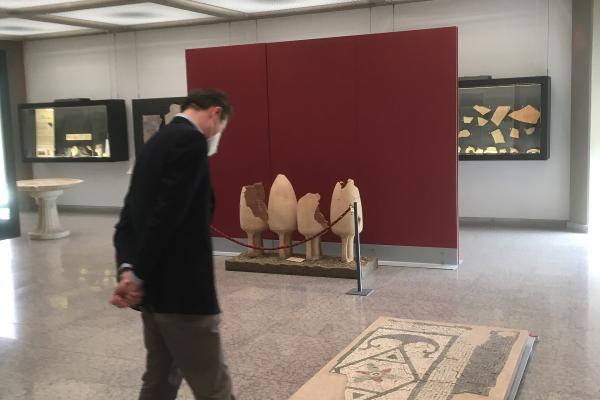
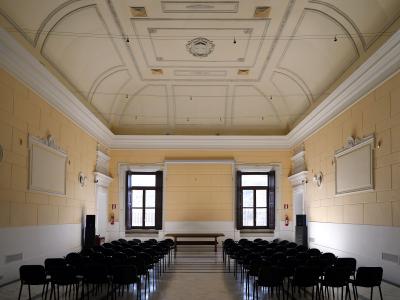
The museum houses a hall dedicated to the excavations of ancient Sybaris, with pottery, bronze objects, architectural fragments, votive offerings and inscriptions. It also features a conference room and a library. Visitors can explore the exhibits, which place the city in the context of the Italian colonisation of the south, the culture of Magna Graecia, and the later Roman history of the plain, and a visit shows how the settlement changed over a thousand years. Finds from tombs, houses and sanctuaries give a picture of daily life and beliefs.
Check opening times and ticket arrangements locally, since a state museum in a rural location may have limited hours, and consider combining the visit with the archaeological park, whose ruins are best seen in spring or autumn. Allow about ninety minutes for the museum. Bring water and sun protection for the park.
Categories
More photos coming soon
Nearby Attractions
Other places to visit in Cosenza
Questions people ask
Quick Facts
Best Time to Visit
Visit between April and June or September and October for mild temperatures and fewer crowds.