







- Where
- Como, Lombardy
- Directions
- Directions
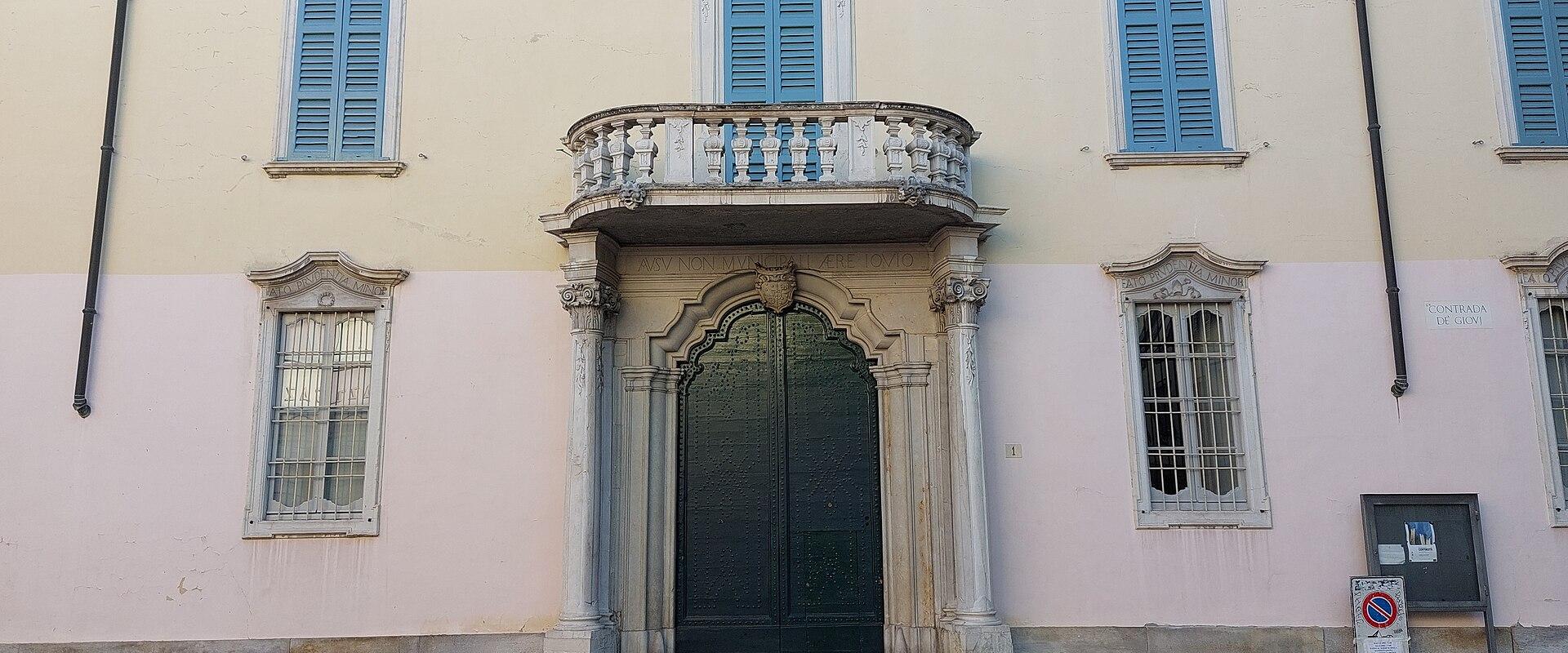
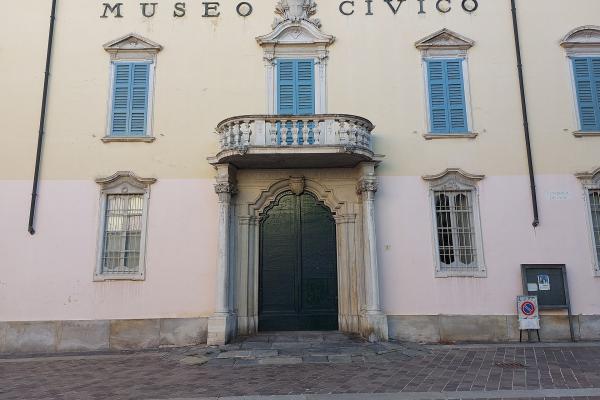
The Museo Civico Archeologico Paolo Giovio in Como is one of four sites of the Civic Museums of the city, housed within three historic palaces, Giovio, Lucini and Olginati, facing Piazza Medaglie d’Oro, near the cathedral and the old center. The museum traces the history and evolution of Como and its territory from prehistoric times through the 19th century. The Palazzo Giovio, the oldest of the three, was built in the 16th century by Paolo Giovio, the humanist, historian and bishop who gave the museum its name, and who gathered a famous collection of portraits of illustrious men, the Museum of Famous People, in his villa on the lake. The three palaces were later joined to make a single museum, and their courtyards and stairs form part of the visit.
Visitors can explore diverse collections, beginning with prehistoric and protohistoric artifacts from the Bronze and Iron Ages, with a specific focus on the Golasecca culture. The Golasecca civilization flourished in the area between Lake Maggiore, Lake Como and the Ticino river from the 9th to the 4th century BC, and was a trading society that linked the Etruscans and the Celtic peoples north of the Alps. A major highlight is the collection of finds from the Ca’ Morta necropolis, a cemetery on the edge of Como that has yielded rich grave goods, among them pottery, bronze ornaments and jewelry. The Roman era section displays architectural elements and artifacts from the early centuries AD, reflecting the city’s refinement during the time of Pliny the Younger, who was born in Como, then called Novum Comum, and who wrote with affection of his lakeside villas.
Notable items include a monumental frieze depicting a cavalry parade, four figurative bases from Via Cinque Giornate and a portrait of Emperor Augustus. The sculptural fragments from the Roman town show the quality of the public monuments that decorated the forum, and the inscriptions, which form a rich epigraphic section, record the names of magistrates, benefactors and ordinary citizens, giving a human voice to the town’s ancient past. The museum also features 19th-century collections that include artifacts from Egypt, Mesopotamia, Greece and neighboring territories, formed by local collectors and donors, which give a sense of the interests of the educated classes of Como in the 1800s.
It is advisable to check the official Comune di Como website or local tourism resources for current schedules and ticket prices, since opening days vary and some Civic Museums offer combined tickets. The visit takes about an hour and a half. The museum is located a short walk from the lakefront and the Duomo, and its palaces lie in a pedestrian area of the old town, so it is easy to include in a walking route.
Exploring the Museo Civico Archeologico offers insight into the archaeological heritage of the Como region. It is an essential stop to understand the area’s historical development from ancient civilizations to the modern era. The combination of archaeological significance and historic architecture makes it a meaningful destination. It complements visits to other landmarks in Como, such as Villa Olmo, with its gardens by the lake, and the Duomo, providing a view of the city’s cultural identity.
Categories
More photos coming soon
Nearby Attractions
Other places to visit in Como
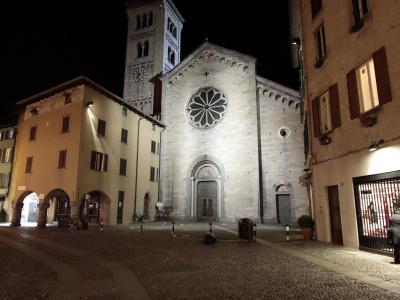
Basilica di San Fedele
12th-century Romanesque basilica in Como
Architectural Monuments · Historic Churches
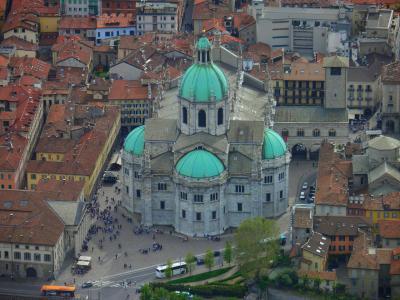
Como Cathedral (Duomo di Como)
Gothic cathedral dedicated to the Assumption of Mary
Architectural Monuments · Historic Churches
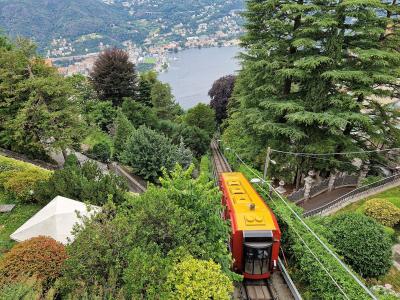
Funicolare Como–Brunate
Historic funicular from Como up to Brunate
Scenic Viewpoints
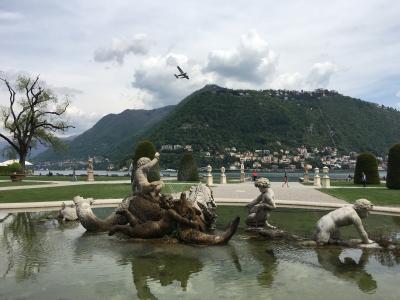
Giardini Pubblici di Villa Olmo
Free neoclassical park with seasonal hours
Free Botanical Gardens · Historic Palaces
Questions people ask
Quick Facts
Best Time to Visit
Visit between April and June or September and October for mild temperatures and fewer crowds.