







- Hours
- Tuesday to Sunday 10:00 to 18:00 (last entry at 17:30)
- Where
- Como, Lombardy
- Directions
- Directions
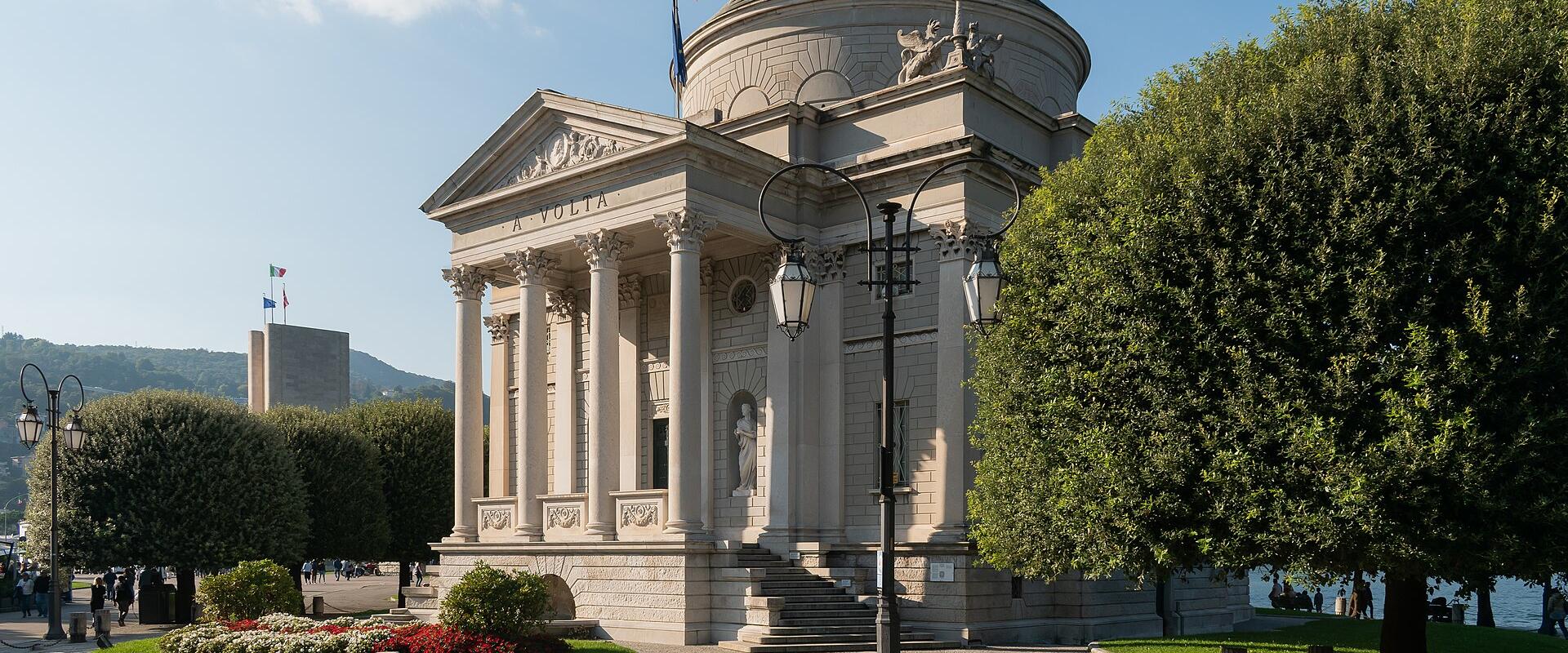
The Tempio Voltiano is a small neoclassical museum in Como, on the lakeside in the public gardens near Villa Olmo, dedicated to Alessandro Volta, the scientist who invented the first electric battery. Volta was born in Como in 1745, and in 1800 he announced the voltaic pile, a stack of metal discs separated by moistened cloth that produced a steady electric current. It was the first source of continuous electricity, and the volt, the unit of electrical potential, is named for him. He also discovered methane, the marsh gas, after collecting it from the shallows of Lake Maggiore.
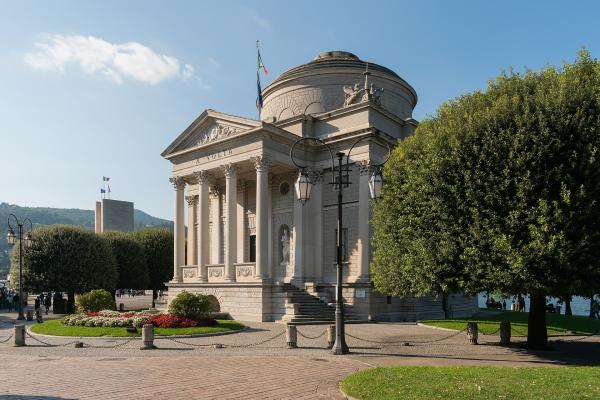
The building was designed to honour him. It was erected to mark the centenary of Volta's death, which fell in 1927, and its architect was Federico Frigerio. The cost was met by the entrepreneur Francesco Somaini, who donated the building to the city, and it was inaugurated in July 1928. The design is inspired by the Pantheon in Rome, with a circular room beneath a dome, a columned portico and a facade of white limestone and polychrome marble, which gives it a monumental appearance despite its size.
Inside, the temple is arranged as a museum and is one of the four sites of the Civic Museums of Como. It houses original instruments and reconstructions that belonged to Volta, in cases around the circular room. There are early batteries and the pile itself, electrostatic machines, condensers, eudiometers for measuring gases and a number of devices from his studies of electricity, which at that time was called electrology, and from his experiments on gases. The pieces were mostly given to the city after a great exhibition held in Como in 1899, and many were saved from a fire that damaged part of that show. The displays give a good picture of how eighteenth-century experimenters worked, with brass, glass and leather instruments built with beauty as well as function.
The museum offers an insight into the history of electricity and the scientific innovation that followed. It is small and can be seen in under an hour, so it fits easily into a day by the lake. The Lungolago, the lakeside promenade, runs past the temple, and the public gardens of Villa Olmo and the villa itself are only a short walk away. The cathedral, the Duomo of Como, and Piazza Cavour are in the old town, and the funicular to Brunate, with views over the lake, is nearby.
As with other civic museums in Italy, opening days follow a weekly pattern, and the temple is typically closed on Mondays and may open for shorter hours on Sunday, so check the current schedule, including the Tuesday opening times. Booking is not usually needed. The museum suits families and anyone interested in the history of science, and it offers a quiet place after a walk along the lake.
Categories
More photos coming soon
Opening Hours
- Open
- Tuesday to Sunday 10:00 to 18:00 (last entry at 17:30)
Hours and prices change, especially out of season. Check with the venue before you go.
Nearby Attractions
Other places to visit in Como
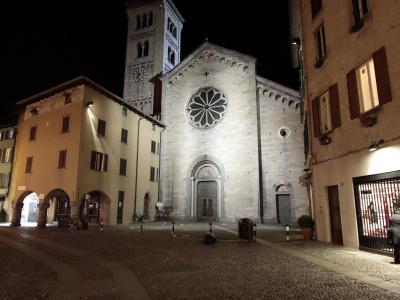
Basilica di San Fedele
12th-century Romanesque basilica in Como
Architectural Monuments · Historic Churches
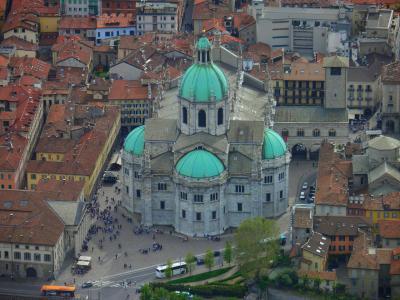
Como Cathedral (Duomo di Como)
Gothic cathedral dedicated to the Assumption of Mary
Architectural Monuments · Historic Churches
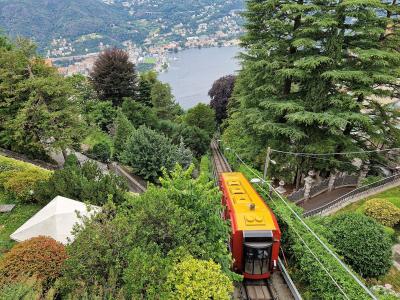
Funicolare Como–Brunate
Historic funicular from Como up to Brunate
Scenic Viewpoints
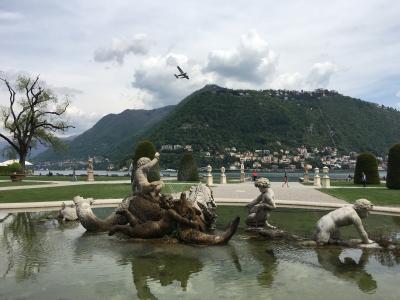
Giardini Pubblici di Villa Olmo
Free neoclassical park with seasonal hours
Free Botanical Gardens · Historic Palaces
Questions people ask
Quick Facts
Best Time to Visit
Visit between April and June or September and October for mild temperatures and fewer crowds.