







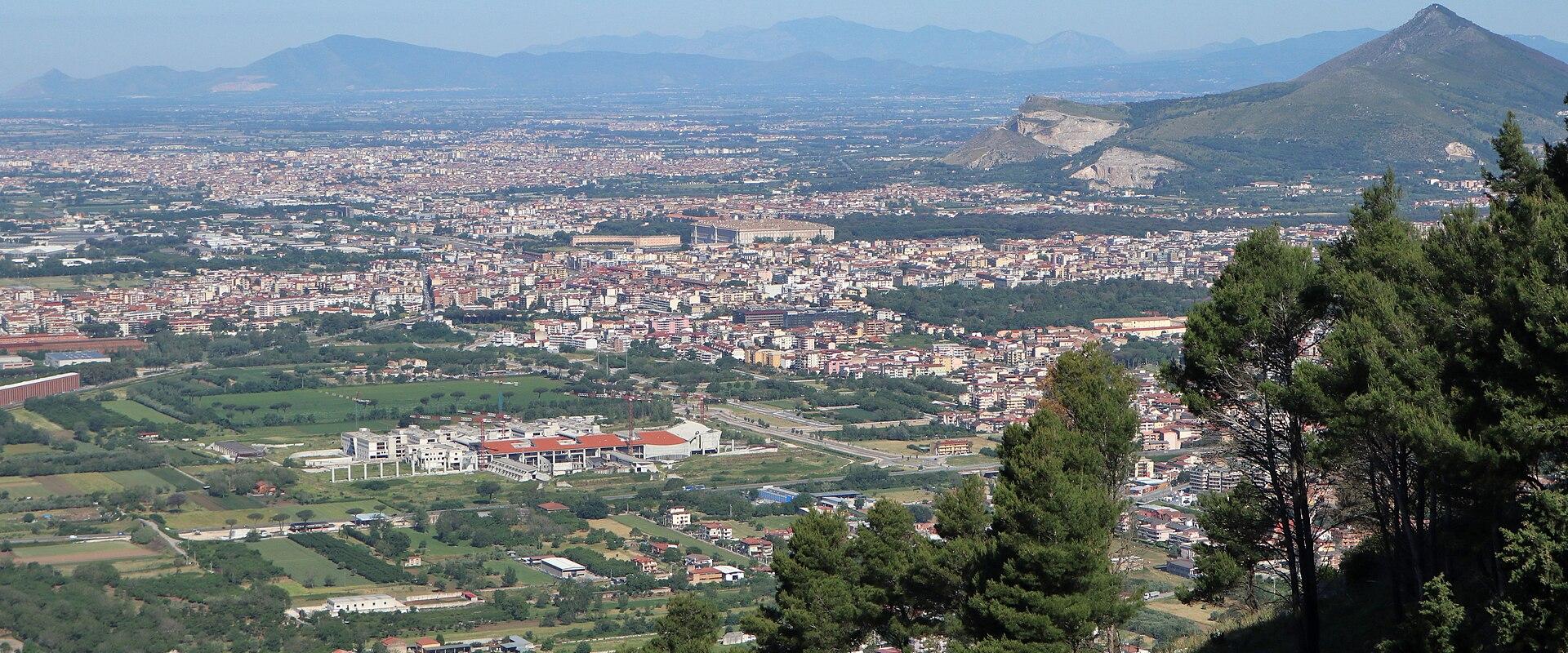
Caserta
UNESCO-listed Bourbon palace and gardens near Naples in Campania
Caserta’s history is closely tied to its position on the Via Appia and its fertile agricultural land. Originally a Lombard duchy, it became a significant centre under the Kingdom of Naples; the older settlement of Caserta Vecchia, a medieval village perched in the hills about ten kilometres from the modern city, preserves that period. The city’s change into a royal seat happened in the 18th century, when King Charles VII of Naples (later Charles III of Spain) commissioned the construction of the Royal Palace to rival the French court at Versailles. Designed by the architect Luigi Vanvitelli, the palace was begun in 1752 and served as the summer residence of the Bourbon kings. The surrounding gardens and aqueducts were developed to support the royal estate. During World War II the palace was used as Allied headquarters, and the German surrender in Italy was signed there in 1945. After the unification of Italy the palace was used as a military barracks and academy, but it was later restored and opened to the public. Today Caserta preserves its historic centre, with narrow streets, churches, and palaces that reflect its layered past as a Lombard stronghold, Bourbon capital, and modern provincial city.
The main attractions are centred on the Royal Palace and its extensive grounds. The Royal Palace of Caserta (Reggia di Caserta) is a masterpiece of Baroque architecture with about 1,200 rooms, grand staircases, and richly decorated interiors with frescoes and sculptures. The Teatro di Corte, the Royal Theatre inside the palace, is an intimate horseshoe-shaped auditorium commissioned by the king. The palace is surrounded by the Royal Park, a vast garden of long avenues, fountains, and statues, ending in a great waterfall (fed by Vanvitelli's 18th-century aqueduct), with an English-style garden of winding paths and a romantic landscape. The Aqueduct of Vanvitelli, a monumental structure built to bring water from the mountains, is a key historical landmark, and visitors can see the tall arches of the Ponte della Valle on the way into the area. The historic centre of Caserta includes the Cathedral of San Michele Arcangelo, the Duomo di Caserta, the Church of Santa Maria della Pietà, and the Palazzo di Città, with the Piazza Carlo III as a busy transport hub in front of the palace. The nearby village of San Leucio, a UNESCO site, was established by King Ferdinand IV as a model industrial village for silk production, with distinctive architecture and a museum dedicated to the silk industry.
Activities in Caserta include exploring the Royal Palace, walking through the gardens, and visiting the historic centre. The city is known for traditional Campanian cuisine, including pizza, mozzarella di bufala (buffalo mozzarella), and wines such as Aglianico. Visitors can take guided tours to learn about the history of the Bourbon dynasty and the architecture of the palace, and the park can be toured by bicycle or horse-drawn carriage. The surrounding area offers hiking in the nearby hills and visits to other historic towns such as Capua and Pompeii. Caserta also hosts festivals and events through the year, including the Caserta Baroque Festival. Shopping includes local ceramics, textiles, and food products, and silk from San Leucio is a traditional souvenir. For those interested in history, guided tours explore the Lombard and Bourbon heritage of the region.
Getting to Caserta is convenient by rail and road. The city is well connected by train from Naples, with frequent services taking approximately 30 minutes, and the station is just opposite the palace. By car, the A1 motorway provides easy access from Naples and Rome. The nearest airport is Naples International Airport, about 40 kilometres away.
The best time to visit Caserta is from April to June or September to October, when the weather is mild and pleasant, ideal for outdoor attractions and historic sites. July and August are peak tourist months, with higher temperatures and larger crowds. Winter is cool but offers a quieter experience, with the palace’s interiors providing cultural entertainment. Despite the seasonal variations, Caserta’s rich history and architectural beauty make it a rewarding destination year-round.
Best time to visit
Visit between April and June or September and October for mild temperatures and fewer crowds.
What to see in Caserta
Our picks first.
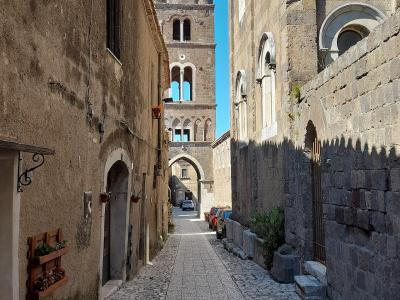
Caserta Vecchia
Medieval village on Monti Tifatini
Historic Churches · Historic Towns
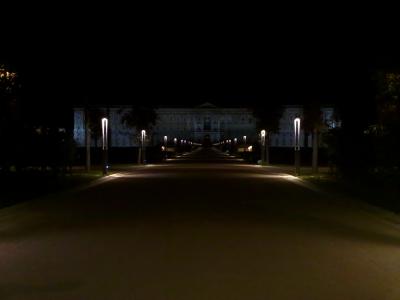
Piazza Carlo III
Historic square parking the Royal Palace of Caserta
Historic Palaces · Town Squares
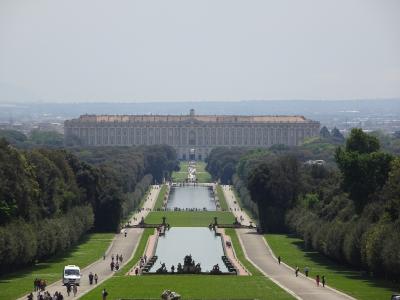
Royal Palace of Caserta (Reggia di Caserta)
18th-century Bourbon palace and vast gardens
Architectural Monuments · Botanical Gardens
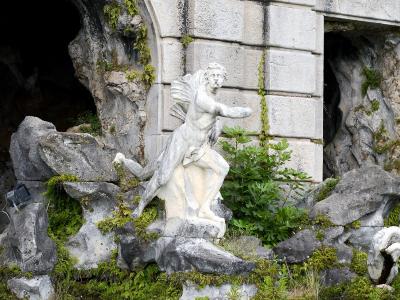
Royal Park of Caserta
120-hectare Italianate park with 3km canal
Botanical Gardens · Cultural Tours
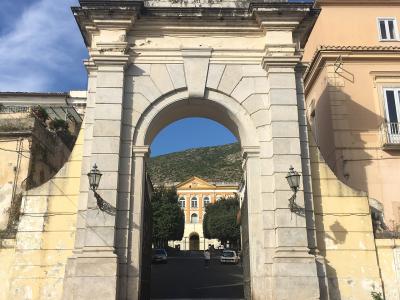
San Leucio Complex
18th-century silk factory and social utopia
History & Heritage · Museums & Culture
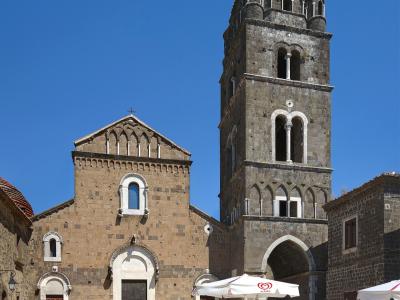
Caserta Cathedral (Duomo di Caserta)
Seat of the Diocese, dedicated to St. Michael the Archangel
Architectural Monuments · Historic Churches
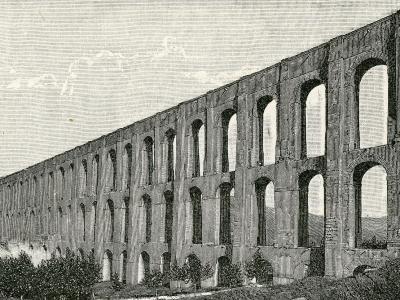
Carolino Aqueduct and Ponti della Valle
Vanvitelli's 1762 aqueduct bridge, 529 m long and 55.8 m high
History & Heritage · Architectural Monuments
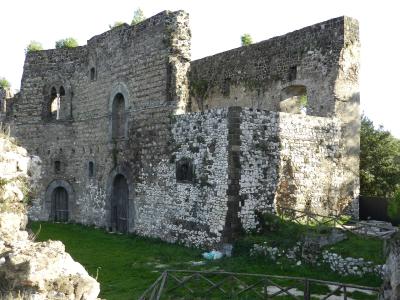
Casertavecchia Castle
Ruined Norman-Swabian castle with a 32-metre round keep
Castles & Fortresses · Historic Towns
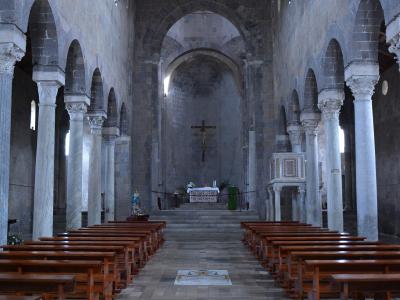
Casertavecchia Cathedral (Duomo di San Michele Arcangelo)
Norman cathedral of 1153 with an Arab-style dome and 1234 bell tower
Architectural Monuments · Historic Churches
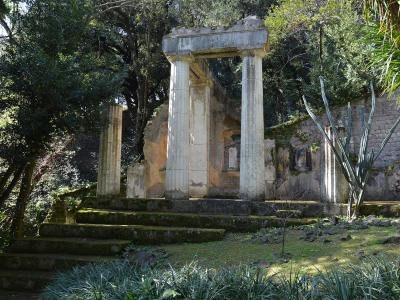
English Garden of the Royal Palace (Giardino Inglese)
1786 landscape garden of Queen Maria Carolina with fake ruins
Botanical Gardens · Historic Palaces
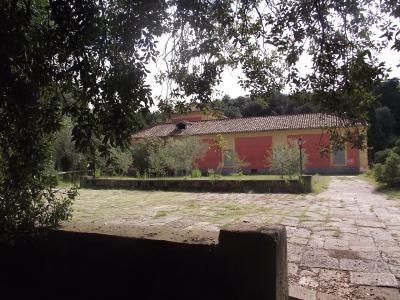
Bosco di San Silvestro WWF Oasis
76-hectare Bourbon hunting wood with a royal lodge, now a WWF oasis
Forest Parks · Hiking Trails
Caserta by interest
The same sights, grouped by what you came for.
- Historic Churches
- Caserta Vecchia Caserta Cathedral (Duomo di Caserta) Casertavecchia Cathedral (Duomo di San Michele Arcangelo)
- Historic Towns
- Caserta Vecchia Casertavecchia Castle Casertavecchia Cathedral (Duomo di San Michele Arcangelo)
- Historic Palaces
- Piazza Carlo III Royal Palace of Caserta (Reggia di Caserta) Royal Park of Caserta English Garden of the Royal Palace (Giardino Inglese)
- Architectural Monuments
- Royal Palace of Caserta (Reggia di Caserta) Caserta Cathedral (Duomo di Caserta) Carolino Aqueduct and Ponti della Valle Casertavecchia Cathedral (Duomo di San Michele Arcangelo)
Planning a visit to Caserta
Itineraries that include Caserta
Good to know
- Currency
- EUR
- Language
- Italian
Quick Facts
Book your stay
Questions people ask
More places in Campania and Amalfi Coast
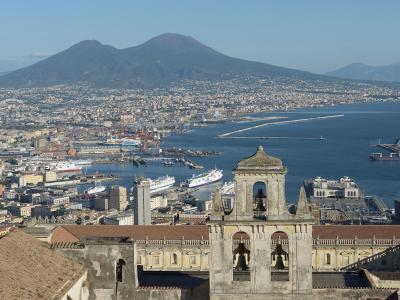
Campania and Amalfi Coast
Naples
Vibrant Neapolitan city with UNESCO heritage, pizza origins, and Vesuvius views
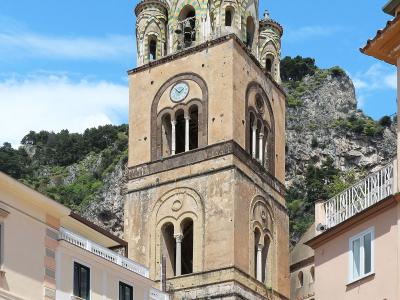
Campania and Amalfi Coast
Amalfi
Historic maritime republic on the Amalfi Coast with dramatic cliffs
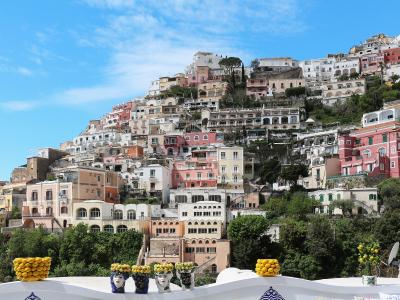
Campania and Amalfi Coast
Positano
Iconic Amalfi Coast village with cascading pastel buildings and cliffs
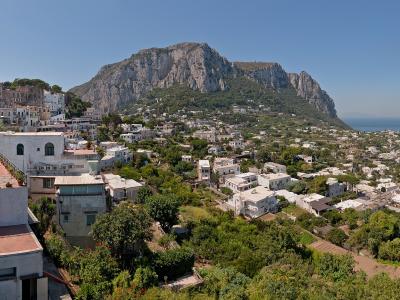
Campania and Amalfi Coast
Capri
Iconic Italian island with Blue Grotto, dramatic cliffs, and luxury resorts