







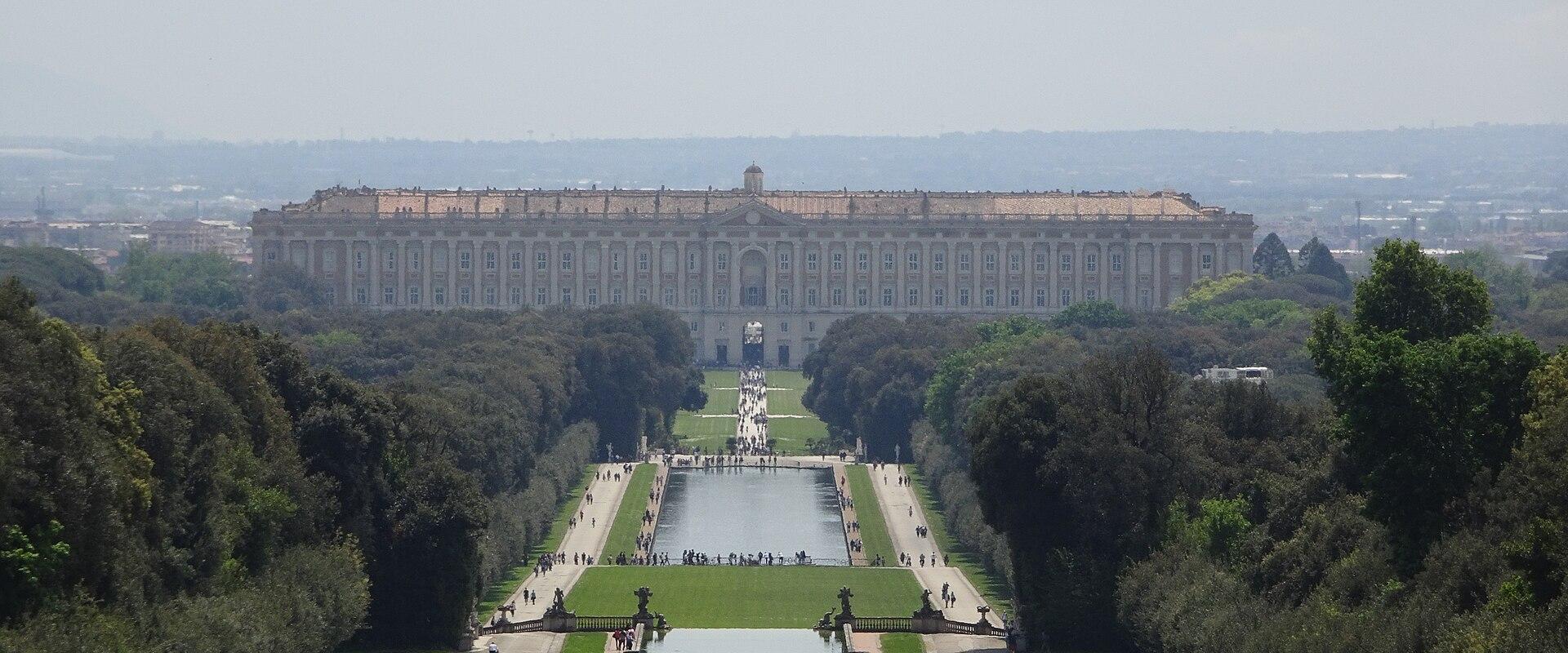
Royal Palace of Caserta (Reggia di Caserta)
18th-century Bourbon palace and vast gardens
- Where
- Caserta, Campania and Amalfi Coast
- Directions
- Directions
The Royal Palace of Caserta (Reggia di Caserta) is one of the largest palaces in the world and a UNESCO World Heritage site, built in the 18th century for the Bourbon kings of Naples, who wanted a residence that would rival Versailles and the great palaces of Europe. It was begun in 1752 for Charles of Bourbon, who as Charles VII of Naples and later king of Spain ruled the southern kingdom, and the architect was Luigi Vanvitelli, the son of a Dutch painter and one of the leading architects of the Italian Baroque and Neoclassicism. Vanvitelli spent the rest of his life on the project, and after his death in 1773, his son Carlo carried on the work. The site was chosen inland, away from the coast and Vesuvius, for reasons of security, and the palace was meant to be the centre of a new royal city.
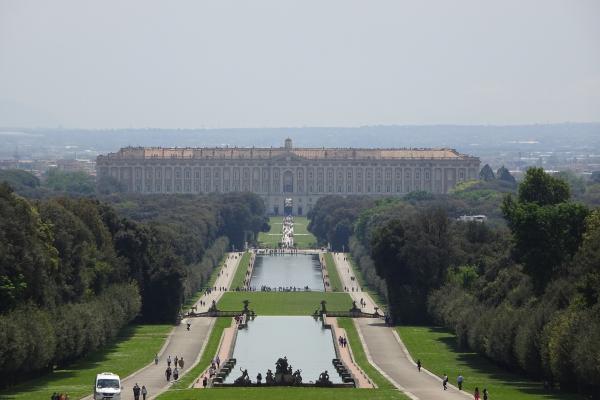
The scale is enormous. The palace is a vast rectangle with four internal courtyards, five floors, and more than a thousand rooms, with a long facade of about two hundred and forty metres. Its architecture shows the transition from Baroque to Neoclassical taste, with an ordered, majestic composition in pale stone, and a central vestibule that runs through the building from the front entrance to the gardens, giving a long view through three arches. The great Staircase of Honour, which climbs in two flights under a high vault, is the most celebrated interior, with marble and statues, and has been used as a setting in films. Upstairs, the Royal Apartments are a succession of richly decorated rooms with frescoed ceilings, silk hangings, chandeliers and furniture, from the state rooms to the bedrooms, which show how the Bourbon court lived.
Other spaces add to the interest. The Palatine Chapel, with its marble, gilded stucco and a painted altarpiece, is a large and sumptuous church of the palace, and it is open outside the times of Mass, which are held on Sundays. The Court Theatre, a small and elegant horseshoe-shaped theatre of the 1760s, in which the king and his court watched opera and plays, is open on weekends. The Grand Gallery holds temporary exhibitions, which have included photography and contemporary art, among them a show by the photographer Antonio Biasiucci titled Archetipi. There are also state rooms, a library and a collection of presepe, nativity scenes, which Naples is famous for.
The palace opens onto the vast Royal Park, which includes the English Garden and the Bosco Vecchio and is a separate attraction, with ticketing in packages that may combine areas, so it is best to check the official website for the current arrangements. Opening hours vary through the year, being longer in the summer months, from April to September, and the last entry is an hour before closing. Allow at least two hours for the palace, and a full day if you also explore the park. The palace is near the Caserta Cathedral (Duomo di Caserta), the Palazzo Reale Museum and Piazza Carlo III, and the medieval village of Caserta Vecchia and the San Leucio Complex, a silk-making colony founded by the Bourbons, lie a short distance away. The palace suits anyone interested in architecture, royal history and grand interiors.
More photos coming soon
Nearby Attractions
Other places to visit in Caserta
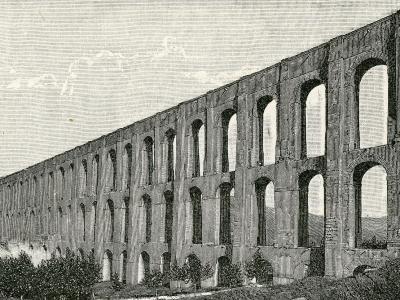
Carolino Aqueduct and Ponti della Valle
Vanvitelli's 1762 aqueduct bridge, 529 m long and 55.8 m high
History & Heritage · Architectural Monuments
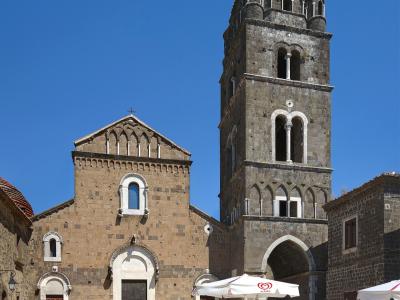
Caserta Cathedral (Duomo di Caserta)
Seat of the Diocese, dedicated to St. Michael the Archangel
Architectural Monuments · Historic Churches
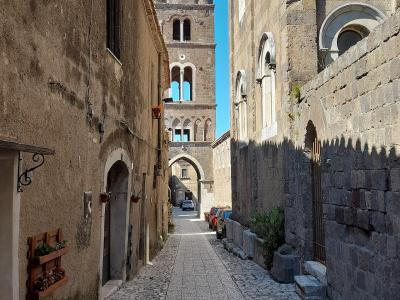
Caserta Vecchia
Medieval village on Monti Tifatini
Historic Churches · Historic Towns
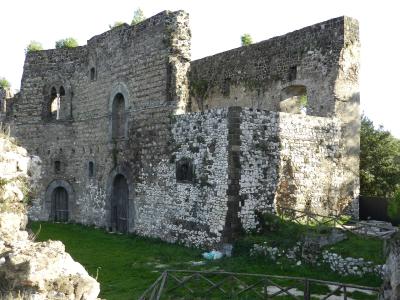
Casertavecchia Castle
Ruined Norman-Swabian castle with a 32-metre round keep
Castles & Fortresses · Historic Towns
Questions people ask
Quick Facts
Best Time to Visit
Visit between April and June or September and October for mild temperatures and fewer crowds.