







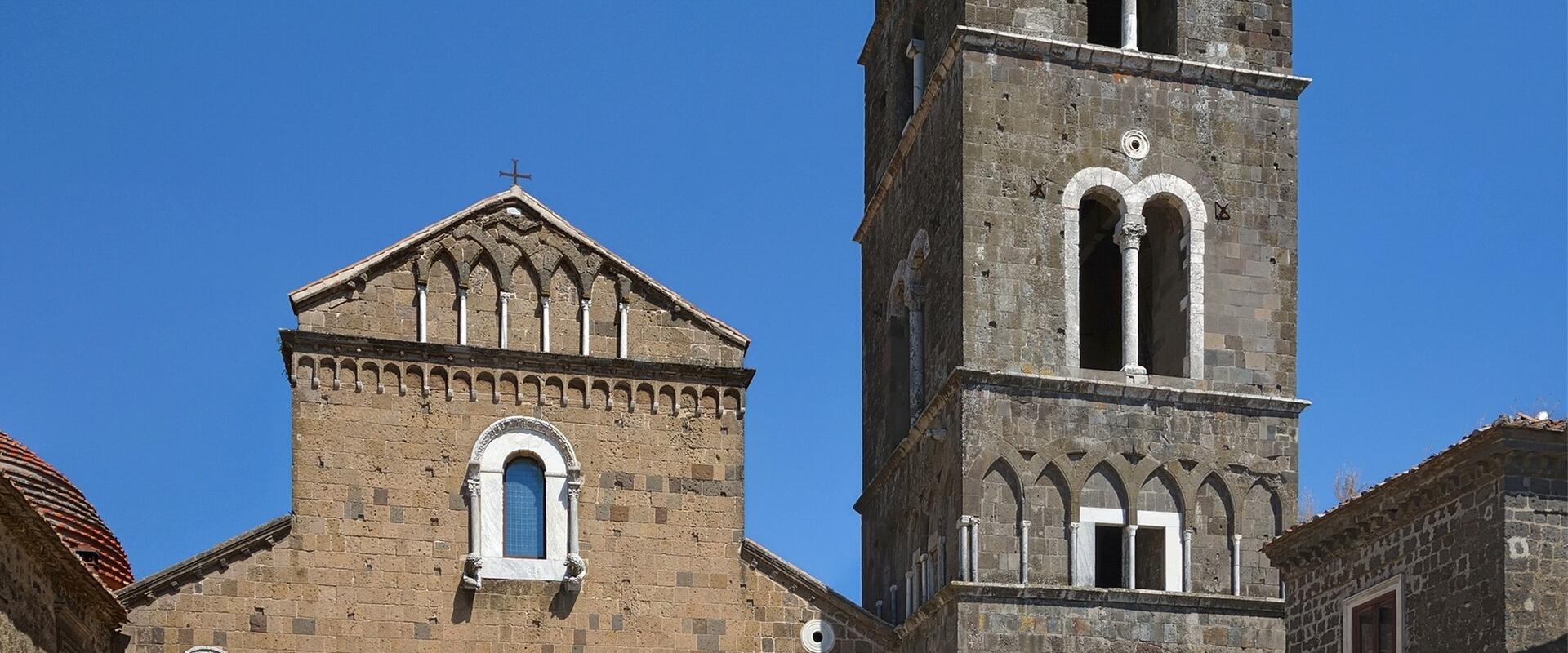
Caserta Cathedral (Duomo di Caserta)
Seat of the Diocese, dedicated to St. Michael the Archangel
- Where
- Caserta, Campania and Amalfi Coast
- Directions
- Directions
The Caserta Cathedral, officially known as the Cattedrale di San Michele Arcangelo, is the principal Catholic place of worship in Caserta and the seat of the diocese. Recognized as a national monument, it is a significant religious and architectural landmark in the city, and it is dedicated to Saint Michael the Archangel, the warrior angel who is the patron of many Lombard and southern Italian communities. Very little can be said with certainty from here about its construction and furnishings, so this account concentrates on the place of the cathedral in the city and the context around it.
Caserta has two centers. The first is the old hill town of Caserta Vecchia, a medieval village on the slopes above the plain, with a Norman cathedral of the 12th century that is well known for its blend of Arab, Byzantine and Romanesque details and its tall tower. The second is the modern city on the plain below, which grew in the 18th century around the Royal Palace, the Reggia di Caserta, the vast residence built by the Bourbon king Charles for the court. The architect Luigi Vanvitelli designed the palace and its park, and the new town was laid out nearby with the palace as its focus. The diocese has its history in the old town, and the cathedral of the modern city, standing near the center, continues that role for the community.
The cathedral is characterized as the spiritual center of the city, a place where history, art and spirituality converge, and it is a central site for local religious life and cultural heritage. As a major sanctuary within the Municipality of Caserta, it is a working church, with regular services and the celebrations of the liturgical year, and it is advisable to consult local tourism resources or the official diocesan website for current schedules, particularly if planning to attend Mass or view the interior during non-liturgical hours. Visitors are advised to dress modestly when visiting and to respect the quiet atmosphere of the sacred space.
Exploring the Caserta Cathedral offers insight into the city’s spiritual heritage. Most visitors to Caserta come for the Royal Palace, one of the largest palaces in the world, with its monumental staircase, state apartments and the long park with its cascades and fountains, and the Park of the Aqueduct, the Bourbon engineering work, known as the Carolino Aqueduct, that brought water to the palace from the hills. These are reached by a short walk or ride from the center, and they form the major attractions, listed together as a UNESCO World Heritage Site. A visit to the cathedral fits easily into the same day, as it is a calmer corner in the city.
It complements other sights nearby, including Piazza Carlo III, the square in front of the palace, the Palazzo Reale Museum, the San Leucio Complex, with its silk factory and the Bourbon utopian community, and Caserta Vecchia on the hill. Together, they give a comprehensive view of the city’s identity and of the layers of its history, from medieval village to Enlightenment planned town. The cathedral provides a glimpse into the spiritual life of Caserta, connecting the modern visitor with the town’s long-standing Catholic traditions.
Categories
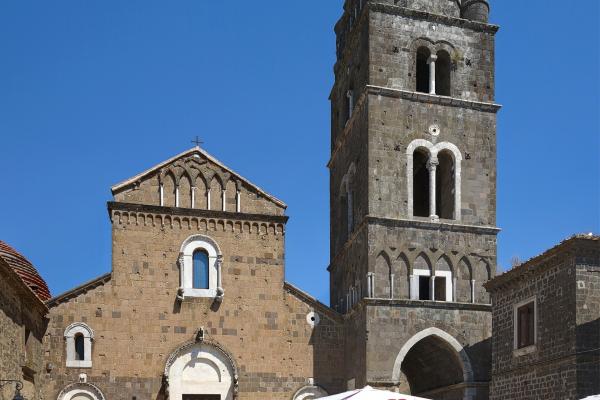
More photos coming soon
Nearby Attractions
Other places to visit in Caserta
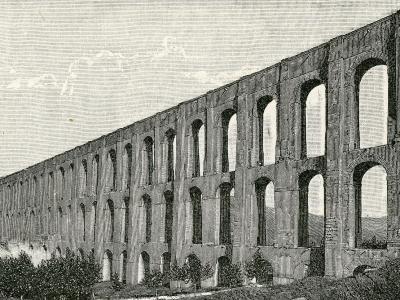
Carolino Aqueduct and Ponti della Valle
Vanvitelli's 1762 aqueduct bridge, 529 m long and 55.8 m high
History & Heritage · Architectural Monuments
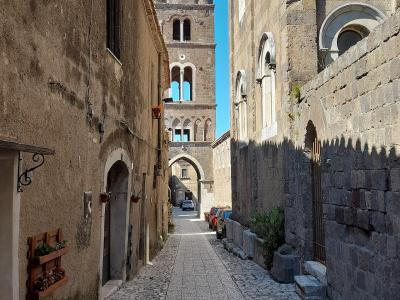
Caserta Vecchia
Medieval village on Monti Tifatini
Historic Churches · Historic Towns
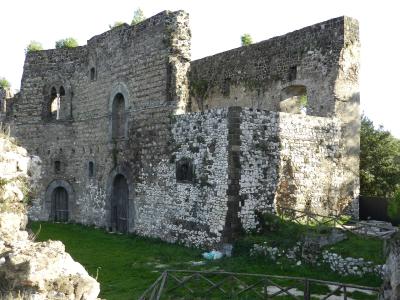
Casertavecchia Castle
Ruined Norman-Swabian castle with a 32-metre round keep
Castles & Fortresses · Historic Towns
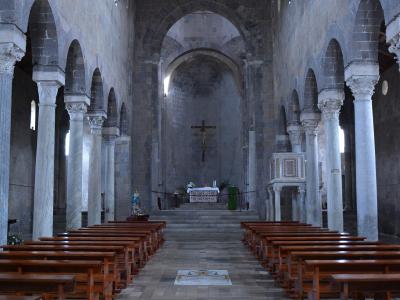
Casertavecchia Cathedral (Duomo di San Michele Arcangelo)
Norman cathedral of 1153 with an Arab-style dome and 1234 bell tower
Architectural Monuments · Historic Churches
Questions people ask
Quick Facts
Best Time to Visit
Visit between April and June or September and October for mild temperatures and fewer crowds.