







- Where
- Caserta, Campania and Amalfi Coast
- Directions
- Directions
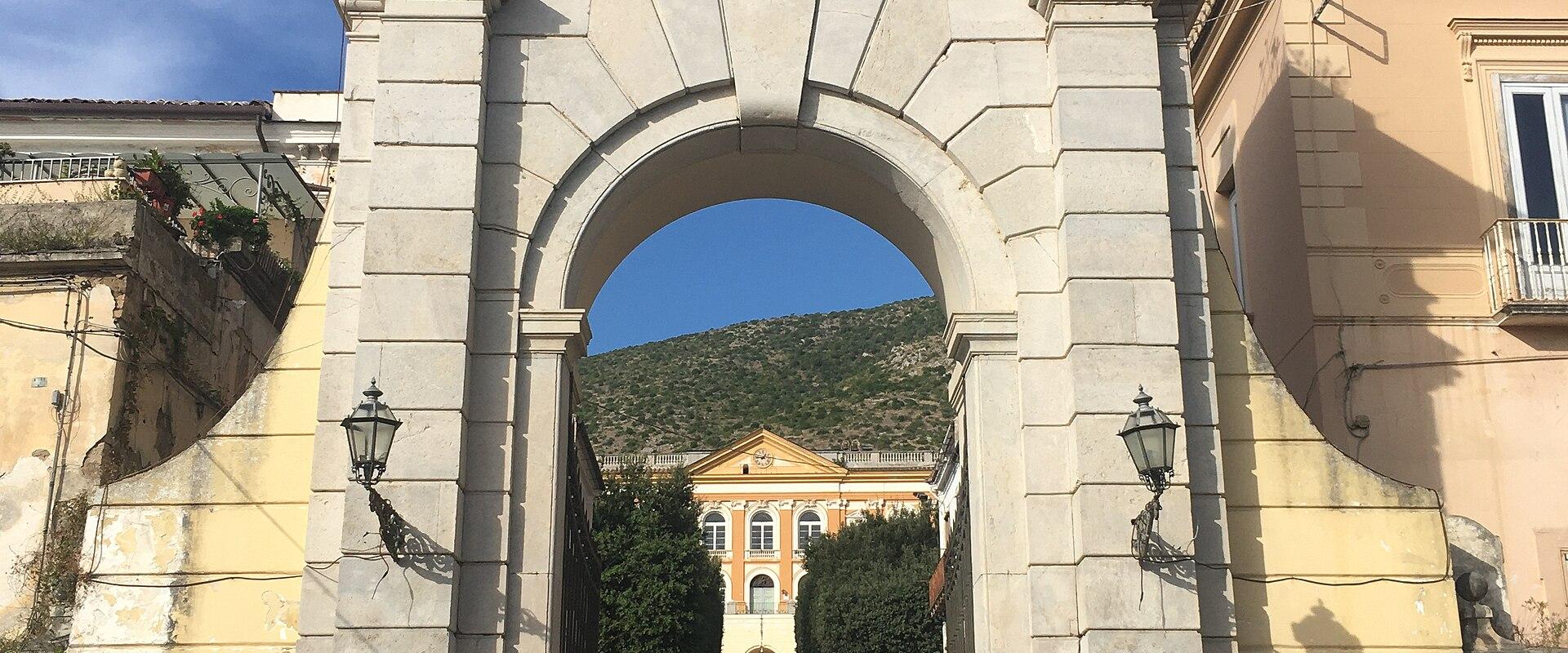
The San Leucio Complex in Caserta is part of a UNESCO World Heritage Site, recognized for its historical significance as an 18th-century social and technological experiment in silk production. It stands on a hillside a few kilometers from the Royal Palace of Caserta, near the old Belvedere hunting lodge, and it was conceived as a utopia town by the Bourbon King Ferdinando IV of Naples, who wanted to create an ideal community where work, education and family life were organized by rational and enlightened principles. It is part of the broader 18th-Century Royal Palace at Caserta heritage listing, inscribed in 1997, together with the palace, the park and the aqueduct that supplies it.
The story begins with a royal hunting lodge that the Bourbon family used in the hills above Caserta. The complex transformed a former royal hunting lodge into a silk factory that prioritized technical innovation and worker welfare. The king founded the community of San Leucio in the 1770s, and in 1789 he issued a code of laws, the Statutes of San Leucio, which gave the inhabitants unusual rights for the time: a measure of equality between men and women, compulsory education for children, no dowries for brides and support in sickness and old age, in return for work in the silk industry. The colony produced fine silks that were used in royal palaces, including the White House and the Quirinal, and its looms made it a notable center of production in the Kingdom of Naples.
Originally built during the reign of King Charles of Bourbon, the father of Ferdinando, as a hunting lodge, the site is renowned for its unique combination of industrial heritage, architectural elegance and progressive social concepts. Visitors can explore the monumental complex, which includes the silk factory, the church and the royal pavilion. The apartments of the lodge, with their frescoed ceilings and period furniture, show the court side of the story, including the baths of the queen, while the factory rooms show the weaving process, with historic looms, some of which are still used to produce silk for interiors and fashion today. The architecture reflects the Enlightenment ideals of order and efficiency, with buildings designed to facilitate the silk production process while providing a high quality of life for the workers.
It is advisable to check local tourism resources for current schedules and ticket prices, since visits are often by guided tour at set times. The complex has a silk museum, and demonstrations on the traditional looms are part of some visits. Allow about two hours. San Leucio is reached by road from Caserta, a short drive or bus ride, and the village retains houses built for the silk workers, with their small gardens and courtyards.
Exploring the San Leucio Complex offers insight into the industrial and social history of the Bourbon kingdom. It is an essential stop to appreciate the region’s cultural legacy, and the combination of historical depth and architectural beauty makes it a memorable destination. It complements the Royal Palace of Caserta and the Park, providing a comprehensive view of the area’s identity. The complex suits those interested in the history of work, textiles and Enlightenment ideas, and anyone who wants a less crowded counterpart to the great palace.
Categories
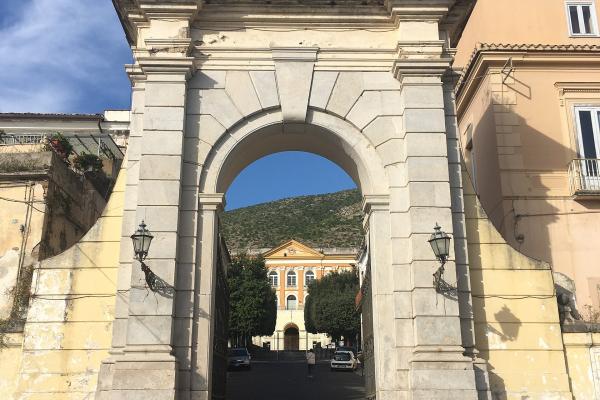
More photos coming soon
Nearby Attractions
Other places to visit in Caserta
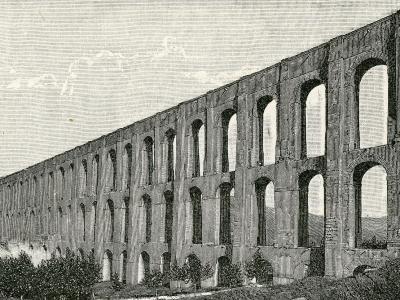
Carolino Aqueduct and Ponti della Valle
Vanvitelli's 1762 aqueduct bridge, 529 m long and 55.8 m high
History & Heritage · Architectural Monuments
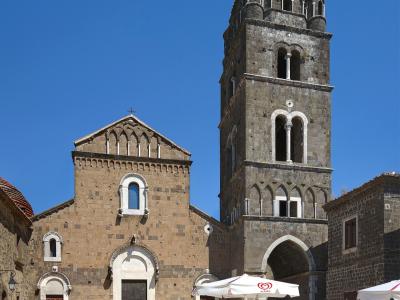
Caserta Cathedral (Duomo di Caserta)
Seat of the Diocese, dedicated to St. Michael the Archangel
Architectural Monuments · Historic Churches
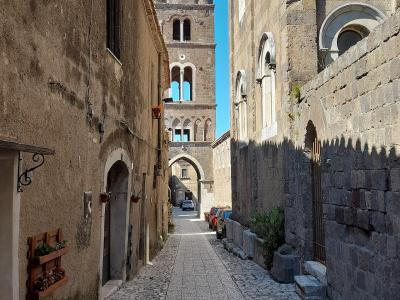
Caserta Vecchia
Medieval village on Monti Tifatini
Historic Churches · Historic Towns
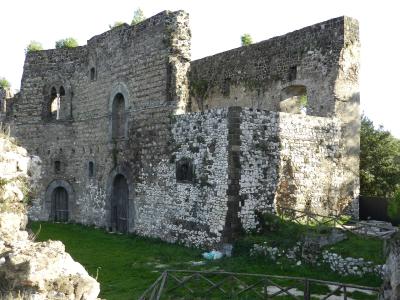
Casertavecchia Castle
Ruined Norman-Swabian castle with a 32-metre round keep
Castles & Fortresses · Historic Towns
Questions people ask
Quick Facts
Best Time to Visit
Visit between April and June or September and October for mild temperatures and fewer crowds.