Where the crowds are, and where they are not
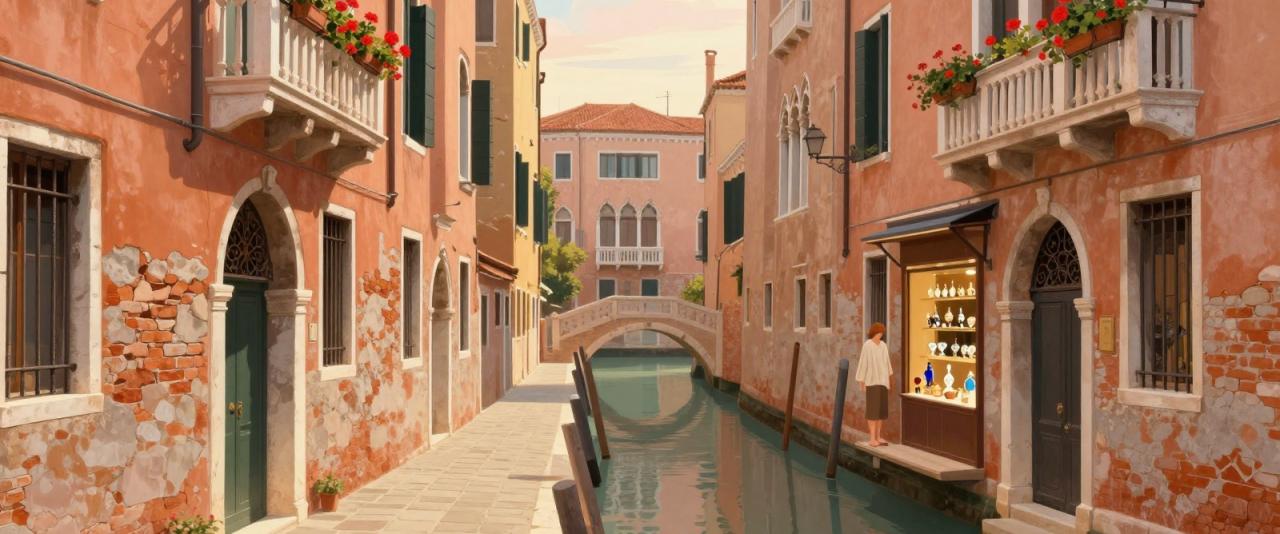
Most visitors to Venice move along a narrow corridor: from the railway station or Piazzale Roma to the Rialto Bridge, then on to Piazza San Marco. In the middle of the day these streets can be shoulder to shoulder. Yet a ten-minute walk off that route usually brings you into residential Venice, where people shop for groceries, children play in the squares (campi) and laundry hangs over side canals.
The city is divided into six historic districts (sestieri). Below are the parts of them, plus the island of Giudecca, that reward a slower visit. Walking is the best way to explore them, and a good paper or offline map helps, because street names and house numbers in Venice are notoriously confusing.
Cannaregio: the Ghetto and the northern canals
Cannaregio is the most populous sestiere and stretches from the railway station to the northern lagoon. Leave the busy Strada Nova behind and head north:
- The Ghetto. In 1516 the Venetian Republic required the city's Jews to live in this area, and the word "ghetto" is thought to come from the Venetian name of a foundry that once stood here. The Campo del Ghetto Nuovo is surrounded by unusually tall buildings, a result of the overcrowding of the time. Several historic synagogues are hidden inside ordinary-looking buildings and can be seen on guided visits organised by the Jewish Museum; check its current opening arrangements before going.
- Fondamenta della Misericordia and Fondamenta degli Ormesini, two parallel canalside walkways that are lively in the early evening with locals at the bars.
- Madonna dell'Orto, a Gothic church containing major paintings by Tintoretto, who is buried there.
From the Fondamente Nove waterfront at the north-east edge of Cannaregio, boats leave for the lagoon islands and the cemetery island of San Michele.
Eastern Castello: Via Garibaldi to Sant'Elena
Castello is the largest sestiere. Its western part, around San Zaccaria and the Riva degli Schiavoni, is busy, but beyond the Arsenale the district becomes markedly quieter.
- Via Garibaldi is Venice's widest street, created in the early 19th century by filling in a canal, and it has the feel of a neighbourhood high street, with fruit and vegetable stalls and everyday shops.
- San Pietro di Castello, on its own small island reached by bridges, was the cathedral of Venice until 1807, when that role passed to St Mark's. Its leaning bell tower and grassy campo are a good place to sit.
- The Arsenale, the Republic's former shipyard, can be seen from outside at its monumental land gate; parts of it are used for the Venice Biennale.
- The Giardini and the island of Sant'Elena at the eastern tip have public gardens and pine trees, rare green space in Venice.
Further north in Castello, San Francesco della Vigna has a facade by Andrea Palladio.
Dorsoduro: the Zattere and the western end
Dorsoduro includes the Accademia galleries and the Peggy Guggenheim Collection, which draw large numbers, but its western half is mostly residential.
- The Zattere, a long sunny waterfront facing Giudecca, is a pleasant place to walk, especially in late afternoon.
- Squero di San Trovaso is one of the few remaining yards where gondolas are built and repaired. It is a working site, so view it from across the canal.
- San Sebastiano is filled with paintings by Paolo Veronese, who is buried in the church.
- Campo Santa Margherita is a large, informal square with a university crowd, market stalls in the morning and bars in the evening.
Santa Croce: San Giacomo dell'Orio
Between the station and the Rialto, Santa Croce is often walked through rather than visited. Campo San Giacomo dell'Orio, with its old church and tree-shaded benches, is one of the most neighbourly squares in the city. Nearby Ca' Pesaro, on the Grand Canal, houses the city's modern art museum.
Giudecca: across the water
The long island of Giudecca lies south of Dorsoduro, across the wide Giudecca Canal, and is reached by vaporetto lines that stop at several points along its northern waterfront. Its quayside offers one of the best views back towards the city.
The main monument is Palladio's Church of the Redentore, built after the plague of 1575 to 1577. Every July, the Festa del Redentore commemorates the end of that epidemic: a temporary pontoon bridge is laid across the canal to the church, and the Saturday night is marked by a large fireworks display over the basin of San Marco. The island also has Palladio's church of the Zitelle and, at its western end, the converted Molino Stucky flour mill. Behind the waterfront are quiet residential streets and former industrial buildings.
Visiting respectfully
These are the areas where Venetians still live, and the city has introduced rules to protect residential life. Keep to the right on narrow streets and do not block bridges; do not sit and picnic on church steps or monuments; never swim in the canals; and keep noise down at night. Small local bars and shops are where you are most likely to have a real conversation, so a few words of Italian help.
The best times for all of these walks are early morning and early evening, when day visitors have not yet arrived or have already left.