




Whispers of the Ligurian Coast
The air along the Riviera sharpens, shedding the heavy humidity of August for the crystalline clarity of autumn. Terraced slopes, once bowed under the weight of summer’s lushness, now reveal the dusty, deep green of olive groves poised for harvest. This is not merely agriculture; it is a generational ritual. Ligurian families tend these ancient, gnarled trees with a precision that borders on the sacred, treating each branch with the deference owed to elders.
Harvesting typically begins in November, stretching into December before the first winter rains threaten to wash the crop away. In the steep lanes of Cinque Terre and the slopes above Portofino, workers pluck the fruit by hand. They reject machines to prevent bruising, preserving the delicate, fruity notes essential for high-quality extra virgin olive oil. Watching the cold-pressing process offers a glimpse into this alchemy, where solid fruit transforms into liquid gold. The scent of freshly ground basil soon mingles with the nutty richness of the new oil at communal tables. You taste the history of the land with every bite. The crisp air, the sound of wooden crates clattering, and the warmth of shared food create a memory far deeper than any brochure can promise. Let the season’s pace slow you down, and let the flavors speak for themselves.
Climbing the Terraces of Tradition
Imagine the sharp scent of crushed leaves mingling with the salty Ligurian breeze as you ascend weathered stone steps. Local workers wield long-handled rakes, gently combing the delicate Taggiasca olives from ancient branches into waiting nets below. This meticulous, manual process protects the fragile skin of each drupe, a necessary step for preserving the fruit’s integrity. By avoiding mechanical damage, the harvest ensures the final oil retains its complex, fruity aroma rather than turning bitter.
Late October marks the start of this seasonal shift, turning labor into preservation while binding the community in shared purpose. Once collected, the fruit moves quickly to local frantoi, where cold pressing transforms the harvest into liquid gold. This oil serves as the non-negotiable foundation for authentic pesto Genovese, anchoring a culinary tradition that elevates simple ingredients into regional treasures. Tasting the result offers more than just flavor; it provides a tangible connection to the land’s agricultural soul. You are not merely observing work; you are witnessing a ritual passed down through generations. Leaving with jars of golden oil, you carry away a deeper understanding of local customs and the rhythm of the earth. This experience grounds you in history, proving that heritage is best understood through participation.
Alchemy in the Mill
October turns the Ligurian hillsides into a hive of urgent motion. The clock starts ticking the moment fruit hits the basket, because time is the enemy of quality. Oxidation creeps in fast, dulling the vibrant, peppery punch that defines this region’s character. To combat this, the olives race from branch to mill within a single day.
Cold-pressing follows immediately, with millstones crushing the fruit without applying heat. This gentle touch preserves delicate aromatic compounds that heat would otherwise destroy. The outcome is an oil with a striking green hue and a complex profile. Grassy notes give way to a spicy finish that lingers on the palate. This rapid processing sets Ligurian oil apart from varieties produced later in the season. The result is a clean, fruity taste that feels immediate and alive. It pairs perfectly with local basil for pesto, a staple of the area. Every step, from picking to bottling, happens in under twenty-four hours. Such speed is not just tradition; it is a requirement for excellence. The oil’s unique terroir speaks to the steep, sun-drenched terraces along the coast. It stands as a testament to the careful stewardship of that fragile land.
The Green Gold of Genoa
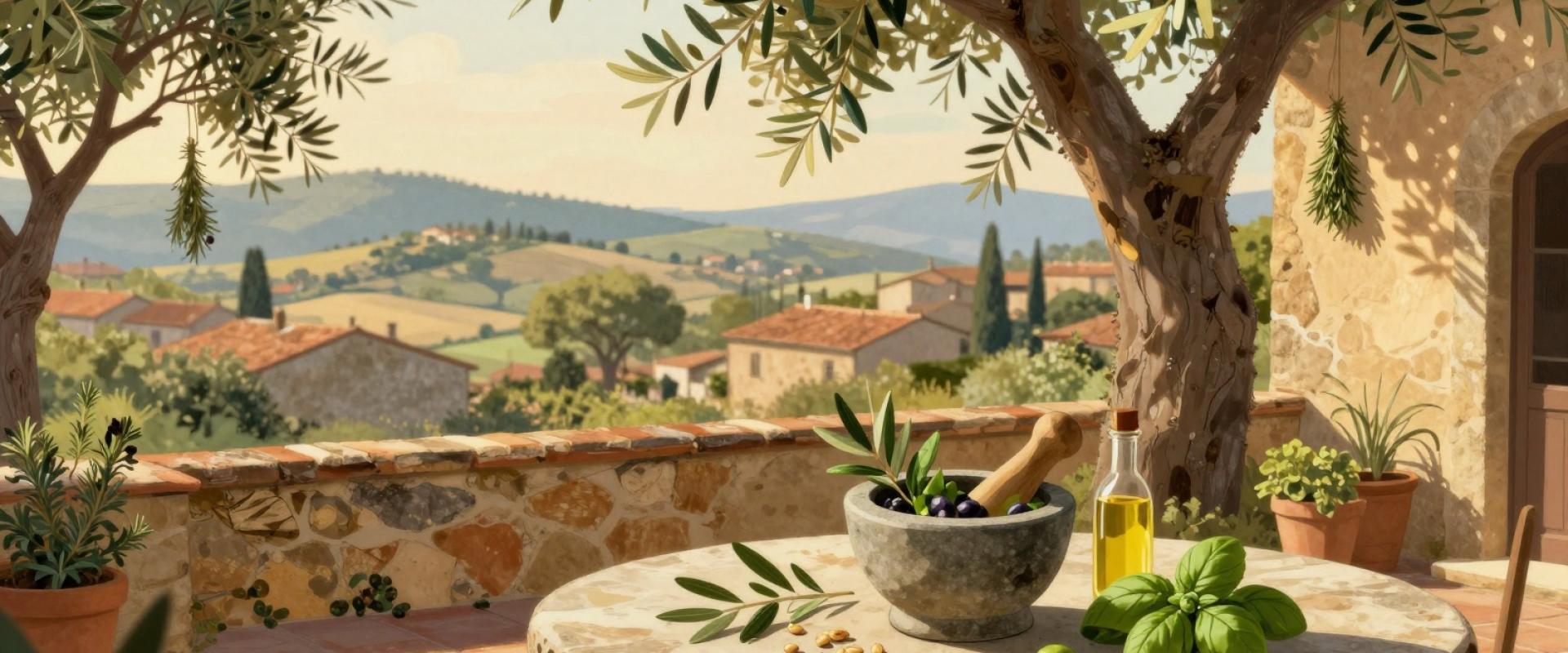
Autumn in Liguria shifts the air, marking the close of the olive harvest. While summer pesto relies on fresh basil, cooler months invite a deeper appreciation for the oil that carries it. Artisans grind cold-pressed Ligurian oil, often blending it with aged Parmigiano-Reggiano and fresh basil for a winter variation. This ritual honors frantoio trees dotting steep hillsides. The method remains unchanged for centuries: hand-crushing leaves in a marble mortar releases essential oils without heat. A jar costs roughly €25, reflecting labor-intensive production. It is not merely a condiment but a cultural staple. Join a workshop to learn this technique, connecting with the land’s rhythms. The result is a vibrant green paste capturing the essence of the Italian coast. This practice preserves heritage through every grind of the pestle.
Carrying Home the Essence
Autumn signals the shift from pruning branches to pressing fruit, a tangible transition that defines the Ligurian rhythm. Small, family-run shops dot the landscape, stocking authentic pesto and oil that serve as edible souvenirs of your travels. To guarantee quality, hunt for labels bearing Protected Origin Status (DOP), a mark of authenticity you will find in coastal villages and inland hamlets alike.
Prices reflect the care involved in production; expect to pay roughly €8 for a jar of vibrant green basil pesto, while a liter of estate-bottled extra virgin olive oil typically lands between €15 and €25. These purchases do more than fill your pantry; they directly support the local producers who tend these ancient groves.
The sensory memory lingers long after you leave. You will likely recall the sharp, pungent scent of crushed basil and garlic mixing with the earthy aroma of the harvest, a vivid reminder of the land’s history. Let this taste stay with you, a quiet celebration of heritage that requires no grand ceremony to appreciate.