







- Where
- Matera, Basilicata and Matera
- Directions
- Directions
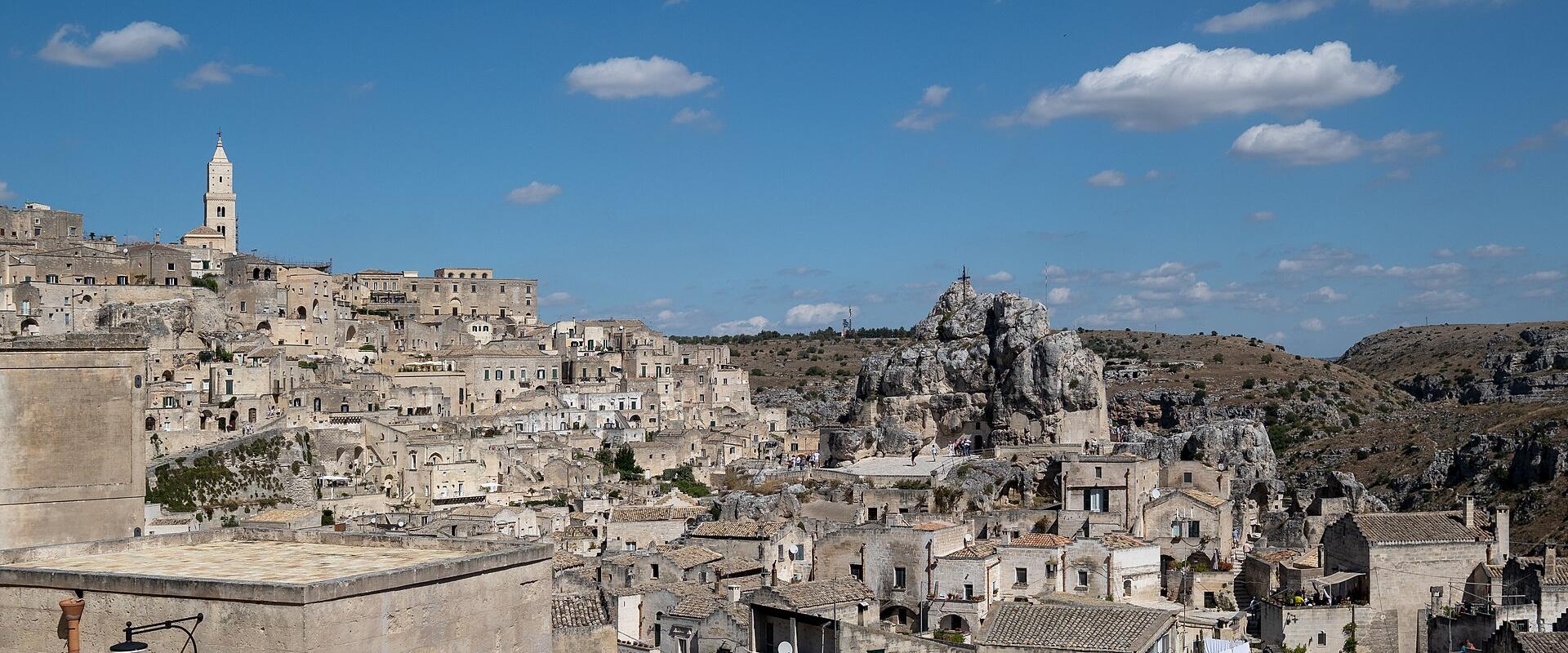
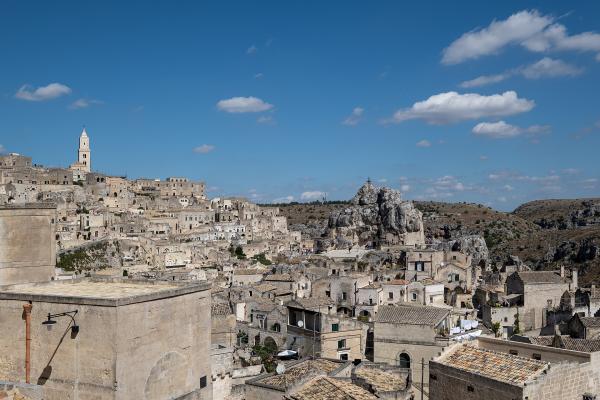
The Sassi di Matera are the ancient districts of Matera, in the region of Basilicata in southern Italy, where houses, churches, workshops and cisterns have been carved directly into the soft limestone of a deep ravine, the Gravina. The two districts are the Sasso Caveoso, which faces the ravine and looks across it to the rocky plateau of the Murgia, and the Sasso Barisano, which turns toward the north, while the high ridge of the Civita separates them and carries the cathedral. From a distance, the Sassi look like a vast stone amphitheatre, with tier upon tier of cave houses and small terraced buildings set into the cliff, and it is one of the most distinctive urban landscapes in Italy. In 1993 the site was inscribed on the UNESCO World Heritage list, the first in southern Italy.
People have lived in caves here since prehistoric times, with traces from the Palaeolithic era, and the area is considered one of the oldest living cities on Earth. Over the centuries, the inhabitants extended the caves, built facades in front of them and developed an ingenious system of channels and cisterns to collect and store rainwater, since the ravine had no springs. Medieval monks and hermits carved dozens of rock churches into the walls of the ravine, many of them decorated with Byzantine frescoes, and the Sassi grew into a dense warren of dwellings, with whole families, along with their animals, living in a single cave. The great cistern known as the Palombaro Lungo, under Piazza Vittorio Veneto, shows the scale of the water engineering.
The modern history of the Sassi is dramatic. By the 20th century, living conditions had become dire, with overcrowding, poor sanitation and disease, and in the 1930s and 1940s writers such as Carlo Levi, who was exiled to the region, described the poverty. After the Second World War, the Italian government described the Sassi as a national disgrace, and in the 1950s thousands of residents were forced to move to new housing estates, leaving the old town largely empty. From the 1980s, restoration began, and the Sassi have been reborn, with cave homes converted into hotels, restaurants and museums. Matera was the European Capital of Culture in 2019, and the town has appeared in many films.
The best way to explore the Sassi is on foot, wandering through the lanes and stairways, visiting the rock churches, a typical cave home such as the Casa Grotta di Vico Solitario, and the viewpoints across the ravine, among them the Belvedere di Murgia Timone on the opposite side. Entry to specific museums and rock churches may require tickets, and local guides offer tours that explain the history. The routes involve many steps and uneven paving, so comfortable shoes are essential, and it is best to avoid the midday heat in summer. The Rupestrian Churches, which are also called the Rock Churches of Matera, are the highlight for many visitors. The Cathedral of Matera and the Palazzo Lanfranchi are near the edge of the district. The Sassi suit anyone interested in history, architecture and the human relationship with landscape.
Categories
More photos coming soon
Nearby Attractions
Other places to visit in Matera
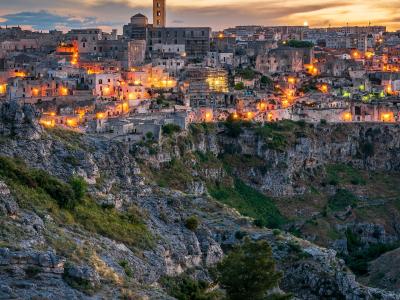
Belvedere di Murgia Timone
Observation deck with views of Sassi di Matera
Historic Churches · Scenic Viewpoints
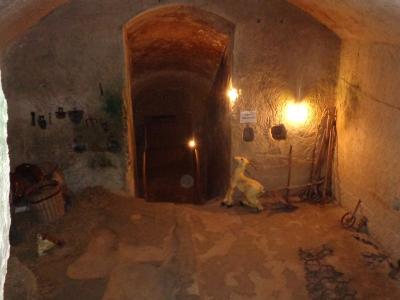
Casa Grotta di Vico Solitario
Historic Sassi cave dwelling with rupestrian church
History & Heritage · Museums & Culture
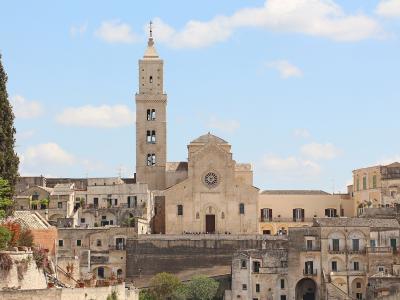
Cathedral of Matera (Duomo di Matera)
Romanesque cathedral with 18th-century polyptych
Free Architectural Monuments · Cultural Tours
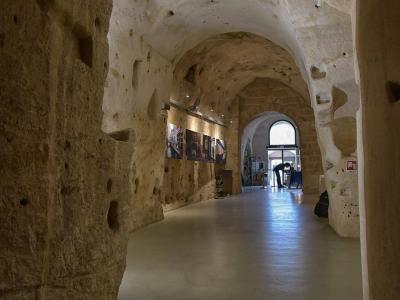
Grotte di Matera
Paleolithic cave dwellings in UNESCO Sassi district
History & Heritage · Museums & Culture
Questions people ask
Quick Facts
Best Time to Visit
Visit between April and June or September and October for mild temperatures and fewer crowds.