







Cathedral of Matera (Duomo di Matera)
Romanesque cathedral with 18th-century polyptych
- Admission
- Free admission
- Hours
- 10:00 to 19:00
- Where
- Matera, Basilicata and Matera
- Directions
- Directions
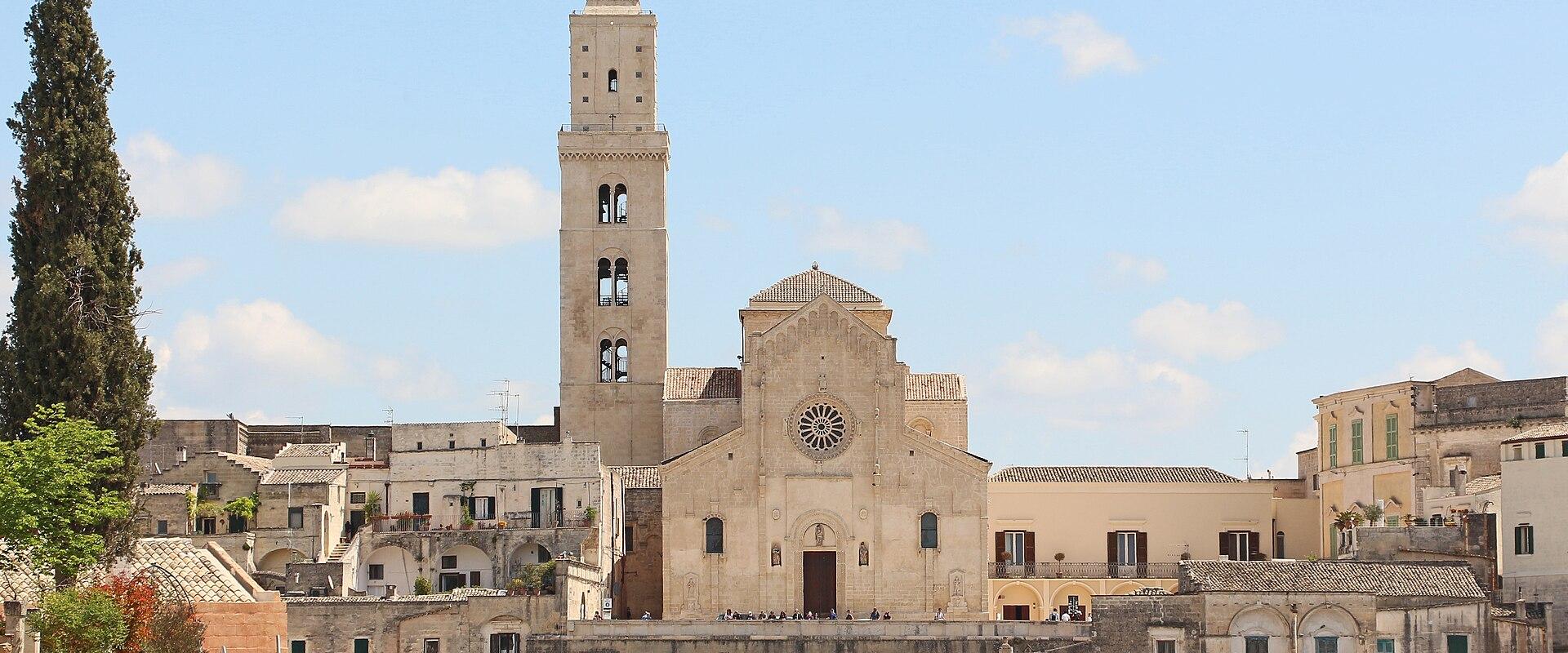
The Cathedral of Matera (Duomo di Matera) is a significant religious and historical landmark in Matera, Italy, the city of the Sassi in the region of Basilicata. It stands on the Civita, the rocky ridge that divides the two ravines of the Sassi, at the highest point of the old town, so its bell tower is visible from many parts of the city and from the surrounding hills. It is dedicated to Maria Santissima della Bruna, the Madonna of the Bruna, the patron saint of Matera, and to Saint Eustace, and it is open to the public and can be visited for free. Visitors are asked to respect the sanctity of the place during their visit.
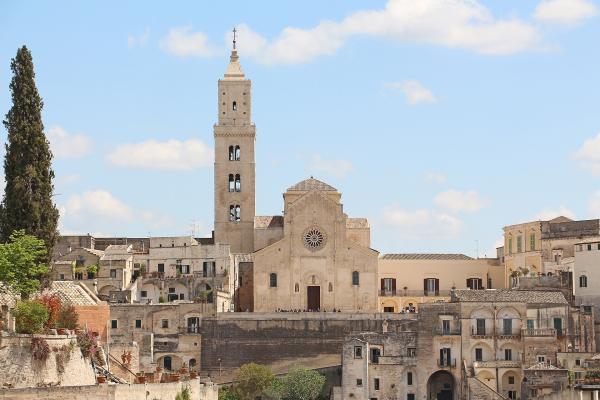
The cathedral is the finest example of Apulian Romanesque architecture in Matera. It was built in the 13th century, between the 1230s and 1270, on the site of an earlier church and an older rock monastery, after the town became a seat of the bishop, and it was consecrated in 1270. The facade is built of warm limestone, with a large rose window and a portal flanked by carved lions, and a tall bell tower, about fifty meters high, stands beside it. On the side facing the square, a decorated portal known as the Porta dei Leoni shows scenes with sculpted figures, and the church’s exterior is notable for its blind arcading and carved details, which reflect the influence of Puglia’s cathedrals.
Inside, the building has a Latin-cross plan with a nave and two aisles, and while the structure is Romanesque, the interior was extensively redecorated in the Baroque period, with a gilded wooden ceiling and rich stuccoes. The cathedral features several notable artistic elements, including a polyptych by Vito Antonio Conversi, a painter active in Matera in the first half of the 18th century, which is housed in the last altar on the right. A Byzantine-style fresco of the Madonna della Bruna, the object of local devotion, and a Renaissance stone nativity scene, with figures carved in the 16th century, are among the works that give the interior its character. For those seeking a more in-depth understanding of the cathedral’s history and architecture, paid audio guides are available at the entrance, providing a complete description of the site.
The feast of the Madonna della Bruna, held every year on July 2, is the great festival of Matera. A procession of horsemen and a decorated papier-mâché cart, the carro trionfale, pass through the streets, and at the end the crowd famously tears the cart to pieces, a tradition that has continued for centuries. The cathedral is the starting point of the day’s celebrations.
Visitors can access the cathedral during opening hours, which are generally from late morning to evening, and it is advisable to check for any changes due to religious services or special events. Exploring the Cathedral of Matera offers insight into the spiritual and artistic heritage of the Sassi di Matera, and it is an essential stop to appreciate the city’s cultural identity. The building is a place of worship and reflects the city’s long religious history and architectural evolution. It complements visits to other landmarks in Matera, such as the Sassi caves and the Rock Churches of Matera, providing a view of the region’s ancient legacy, and the view from the square beside the cathedral over the Sasso Barisano is among the best in town.
More photos coming soon
Hours & Fees
- Open
- 10:00 to 19:00
- Admission
- Free admission
Hours and prices change, especially out of season. Check with the venue before you go.
Nearby Attractions
Other places to visit in Matera
Belvedere di Murgia Timone
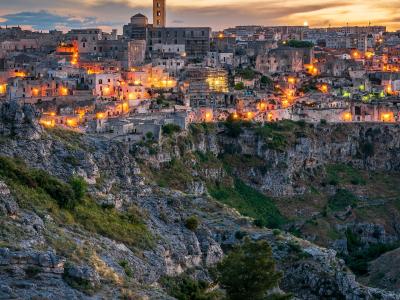
Observation deck with views of Sassi di Matera
Historic Churches · Scenic Viewpoints
Casa Grotta di Vico Solitario
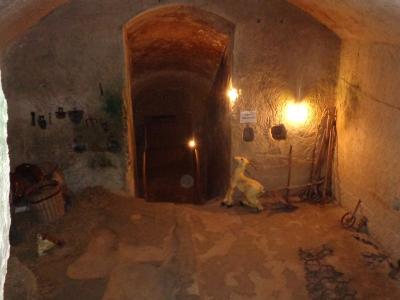
Historic Sassi cave dwelling with rupestrian church
History & Heritage · Museums & Culture
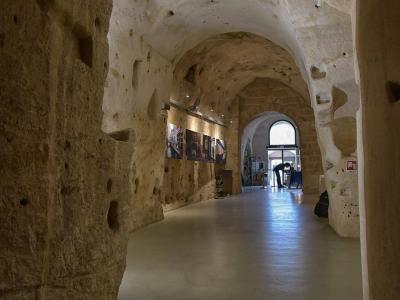
Grotte di Matera
Paleolithic cave dwellings in UNESCO Sassi district
History & Heritage · Museums & Culture
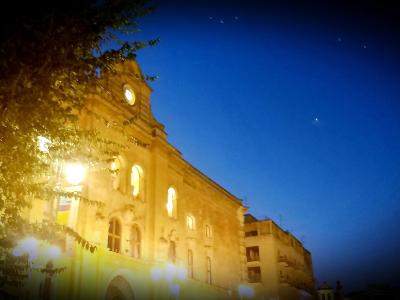
Matera Film Commission / Cinema
UNESCO Sassi districts inspiring over forty films
Cultural Tours · Historic Districts
Questions people ask
Quick Facts
Best Time to Visit
Visit between April and June or September and October for mild temperatures and fewer crowds.