







- Where
- Matera, Basilicata and Matera
- Directions
- Directions
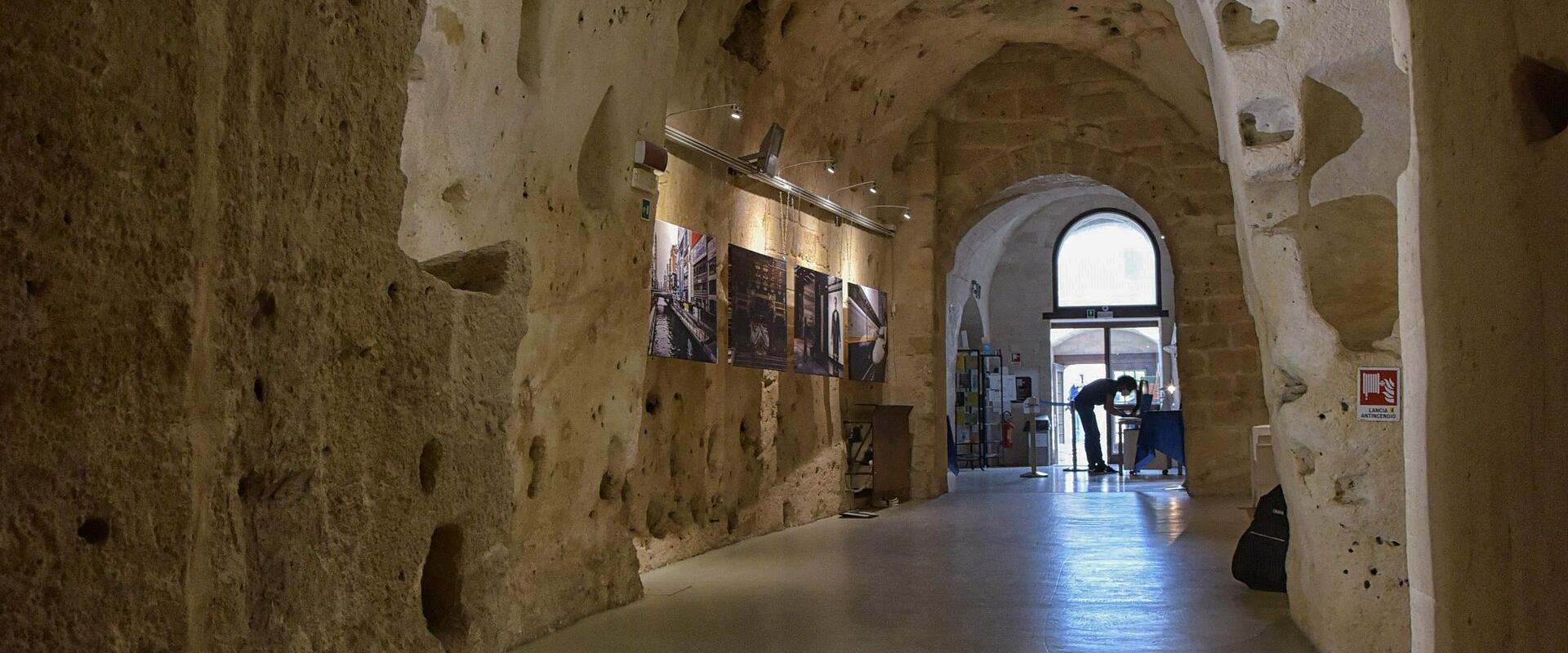
Travelers who look for the Grotte di Matera will not find a single attraction with its own ticket office and opening hours. The name Caves of Matera refers in general to the cave dwellings that make up the core of the Sassi di Matera, the old districts of the city in Basilicata, which were inscribed on the UNESCO World Heritage list in 1993. The Sassi consist of two districts, the Sasso Caveoso and the Sasso Barisano, and people have lived in them for a very long time, since prehistoric times, with traces of settlement that go back thousands of years, perhaps as far as the Paleolithic and certainly to the Neolithic period, around 7000 BC. The word sasso, stone, comes from the Latin saxum, and the name of the Caveoso district itself recalls the caves, the cavei.
The houses are dug directly into the calcarenite, a soft, honey-coloured sedimentary rock that the people of Matera call tufo, although it is not true volcanic tuff. The rock is easy to cut when freshly exposed and hardens after exposure to the air, which makes it an excellent building material, and the town grew on the slopes of the Gravina ravine, with caves cut into the face of the cliff and then extended outward by building walls and facades in front. The result is a structure in which the houses seem to grow from the rock, with roofs that serve as the pavements of the street above, and lanes and stairways that connect the levels. A typical cave dwelling had a main room, a bedroom, a place for animals, and a cistern or well, and a neighbourhood grouped around a courtyard, called a vicinato, where neighbours shared water and daily life.
The story of the caves in the 20th century is a dramatic one. By the 1940s and 1950s, many families were living in extreme poverty and bad conditions, with animals sharing the space, little light or ventilation, and high rates of illness, and the writer Carlo Levi described these conditions in Christ Stopped at Eboli. The city was condemned as a national disgrace, and in the 1950s, the Italian government forcibly moved thousands of residents to new housing outside the old town, leaving the caves largely empty. After years of abandonment, the Sassi began to be restored from the 1980s, and today they have been reborn as a cultural and tourist destination.
Visitors can see the caves in several ways. Some cave homes have been restored as museums, such as the Casa Grotta di Vico Solitario, which is furnished as a typical dwelling to show how a family lived, and others have been turned into hotels, restaurants and shops, with the vaulted rooms preserved. A museum of contemporary sculpture, MUSMA, occupies caves under the Palazzo Pomarici in the Sasso Caveoso, and some rock churches, the Rupestrian Churches, can be visited, though entry to specific places may need a ticket. Guided tours give a good introduction. Wear comfortable shoes for steps and uneven paving. The caves combine with the Rock Churches of Matera, the Belvedere di Murgia Timone, the Cathedral of Matera (Duomo di Matera) and the Palazzo Lanfranchi, and the Parco della Murgia Materana is across the ravine. The caves suit anyone interested in history and architecture.
Categories
More photos coming soon
Nearby Attractions
Other places to visit in Matera
Belvedere di Murgia Timone
Observation deck with views of Sassi di Matera
Historic Churches · Scenic Viewpoints
Casa Grotta di Vico Solitario
Historic Sassi cave dwelling with rupestrian church
History & Heritage · Museums & Culture
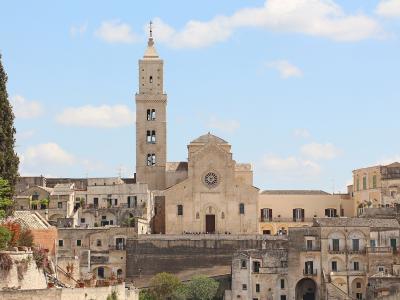
Cathedral of Matera (Duomo di Matera)
Romanesque cathedral with 18th-century polyptych
Free Architectural Monuments · Cultural Tours
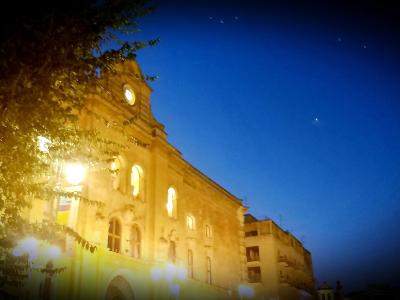
Matera Film Commission / Cinema
UNESCO Sassi districts inspiring over forty films
Cultural Tours · Historic Districts
Questions people ask
Quick Facts
Best Time to Visit
Visit between April and June or September and October for mild temperatures and fewer crowds.