







Matera Film Commission / Cinema
UNESCO Sassi districts inspiring over forty films
- Where
- Matera, Basilicata and Matera
- Directions
- Directions
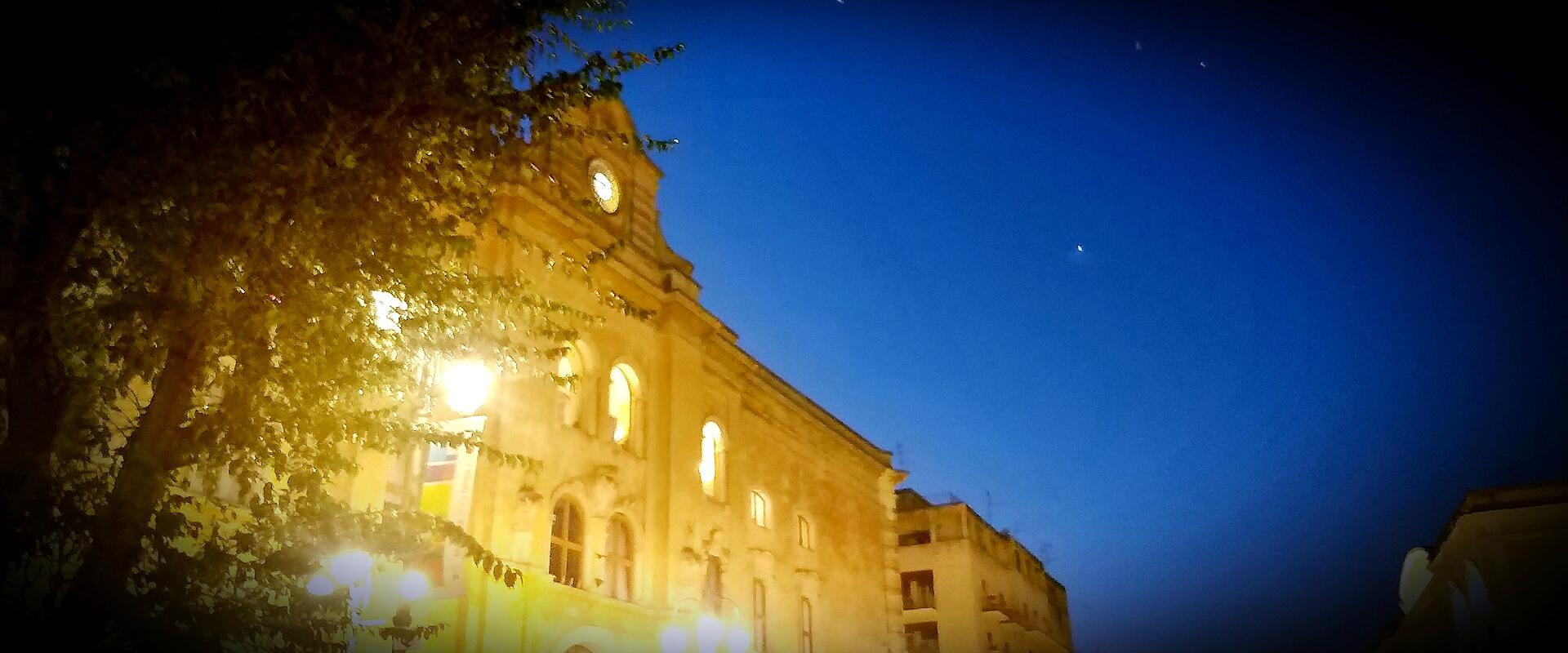
The Matera Film Commission is an administrative body that supports film productions in the area, rather than a physical tourist attraction with opening hours or admission fees, and it does not have a public exhibition space or museum component. Visitors to Matera will therefore not find a cinema museum to enter, and what the city offers instead is the chance to walk through its streets and recognize the settings of the films that have been shot there. Matera itself is a significant cinematic landmark, serving as a natural setting for films since the 1950s. The city’s unique Sassi districts, the old quarters of houses and churches carved into the rock, have inspired over forty films, making the entire urban landscape a living film set.
The first film shot in Matera was the 1949 documentary Nel mezzogiorno qualcosa è cambiato by Carlo Lizzani, a short film showing the poverty of the Sassi, which at that time were home to thousands of people living in caves with no running water or sanitation, a situation that led the Italian government to move the inhabitants to new housing in the 1950s. For many years, the Sassi were seen as a national shame, a symbol of southern backwardness, and it was only later that they were rediscovered as a place of beauty and as a heritage to be saved. Since then, the city has hosted numerous internationally renowned productions, including Pier Paolo Pasolini’s The Gospel According to St. Matthew, 1964, Mel Gibson’s The Passion of the Christ, 2004, and Roberto Rossellini’s Anno uno, 1974. Pasolini chose Matera because its landscape looked like ancient Jerusalem, and many later films about biblical subjects took the same view. Many other Italian dramas, comedies and documentaries have used the Sasso Caveoso and Sasso Barisano as backdrops, and in more recent years, large international productions, among them a Hollywood epic and a James Bond film, have also filmed here.
For visitors, exploring Matera offers insight into its role in cinema history. Walking through the Sassi districts allows travelers to see the actual locations used in these famous films, among them the winding stairways, the rock churches and the viewpoints over the ravine, and some places, such as the cathedral square and the cave houses, are easy to recognize. It is advisable to look for plaques or guided tours that highlight specific filming sites, and local guides often offer themed walks. Exploring Matera’s other attractions, such as the 13th-century Cathedral and the rock-hewn churches, complements the cinematic experience.
The city card provides access to main sights, enhancing the visit. As an open public space, the Sassi districts have no admission fees, though individual sites may charge. The experience of walking through Matera provides insight into the cultural identity of Basilicata, connecting the modern visitor with its rich artistic and cinematic legacy. Evening and early morning are the best times to see the stone in its warmest light and to avoid the crowds, and the film crews that regularly return to the city are a reminder that the setting is still active.
Categories
More photos coming soon
Nearby Attractions
Other places to visit in Matera
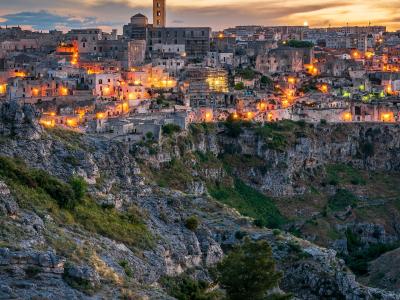
Belvedere di Murgia Timone
Observation deck with views of Sassi di Matera
Historic Churches · Scenic Viewpoints
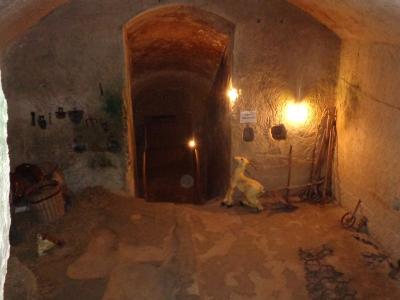
Casa Grotta di Vico Solitario
Historic Sassi cave dwelling with rupestrian church
History & Heritage · Museums & Culture
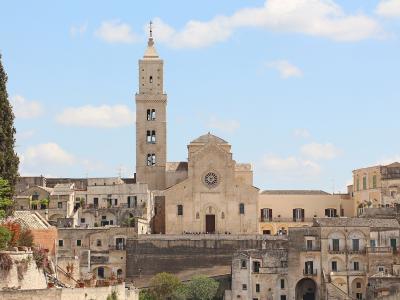
Cathedral of Matera (Duomo di Matera)
Romanesque cathedral with 18th-century polyptych
Free Architectural Monuments · Cultural Tours
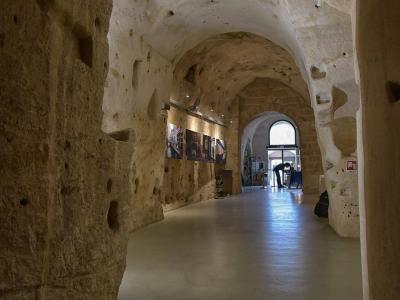
Grotte di Matera
Paleolithic cave dwellings in UNESCO Sassi district
History & Heritage · Museums & Culture
Questions people ask
Quick Facts
Best Time to Visit
Visit between April and June or September and October for mild temperatures and fewer crowds.