







- Where
- Polignano A Mare, Apulia
- Directions
- Directions
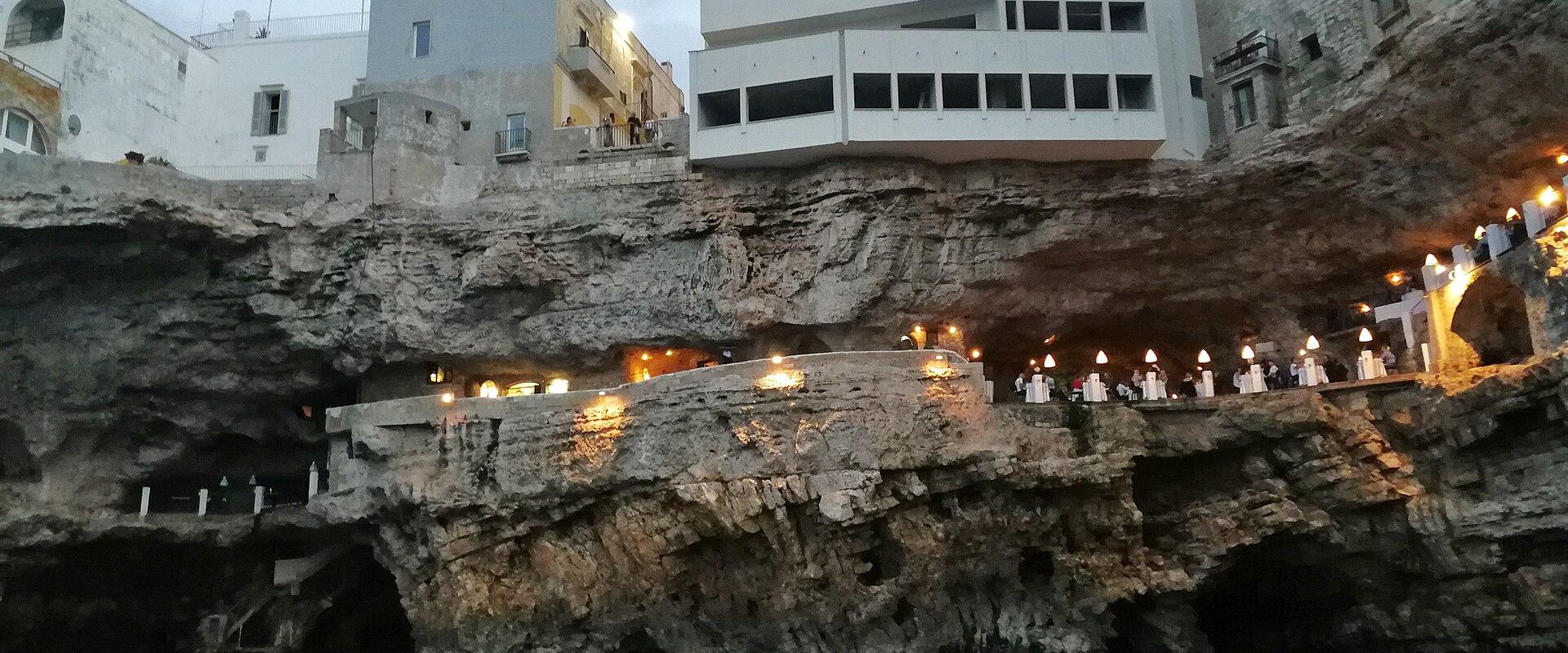
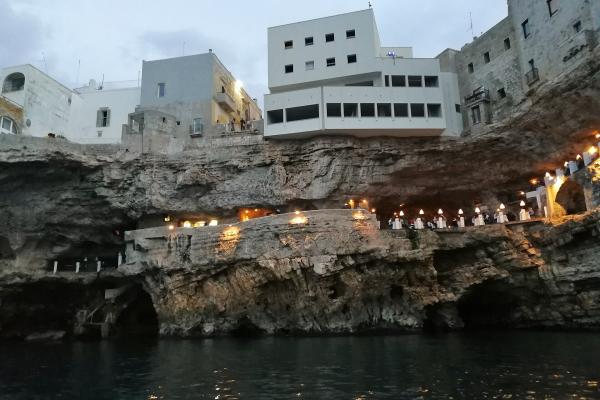
Grotta Palazzese is a renowned restaurant and bar in Polignano a Mare, in Puglia, Italy, approximately 35 kilometers south of Bari on the Adriatic coast. It is situated within a natural sea cave carved into the limestone cliffs, featuring a terrace that is a dining room with the Adriatic Sea visible through the cave’s east-facing opening. The entrance is accessed through the lobby of the Hotel Grotta Palazzese, which sits on the clifftop above the restaurant, and diners descend to the cave by a stairway cut into the rock. The cave is a large vault with a high, rough ceiling, with the sea washing at the floor below the terrace, and the sound of the waves, together with the reflected light from the water, give the room a theatrical quality that makes it one of the best-known dining settings in Italy.
The cave was formed over thousands of years by the sea eating into the soft limestone of the cliff, one of many such caves along this stretch of coast, where waves have hollowed out arches, hollows and sea caves. Polignano a Mare is built on the edge of these cliffs, and the sea is visible from almost every corner of the old town. This cave, one of the largest, opens to the sea at its base, and in rough weather spray reaches the terrace. The location is a few steps from the old town’s lanes and the cliff-top promenade.
The site has a long history of social gatherings, with the cave used for banquets by local nobility since at least the 1700s. Its historical prominence is highlighted by a famous 1783 watercolor by the French artist Jean Louis Desprez, which immortalized these gatherings. The picture shows a party of people dining and being entertained in the cave, with musicians and lamps, and it shows that the cave has been used as a place for parties for more than two centuries, long before it became a hotel restaurant. Later the cave was run as a restaurant, and the hotel was developed above it. The restaurant is perched on the Adriatic coast, overlooking crystal-clear waters.
The menu focuses on Apulian seafood and local ingredients, with raw fish, pasta with shellfish and grilled catch of the day, and the experience is more about the setting than a casual meal, so prices reflect the location. It is advisable to check the official website or local tourism resources for current reservation policies and dining hours. Reservations are strongly recommended, particularly for evening seatings in summer, and a table at sunset or by the opening of the cave is the most sought-after. Visitors are advised to book in advance due to its popularity and to respect the quiet atmosphere of the cave. There may be a dress code, and children may be restricted at some times, so it is wise to ask.
Exploring Grotta Palazzese offers insight into the geological and cultural heritage of the Apulian coast. It is an essential stop to appreciate the region’s dramatic natural beauty. The combination of historical depth and unique setting makes it a memorable destination. It complements visits to other landmarks in Polignano a Mare, such as Lama Monachile Beach, the pebble cove under the old Roman bridge, and the historic center with its whitewashed lanes, providing a view of the town’s identity. Those who do not dine can still admire the cliffs and the opening of the cave from the viewpoints along the promenade.
Categories
More photos coming soon
Nearby Attractions
Other places to visit in Polignano A Mare
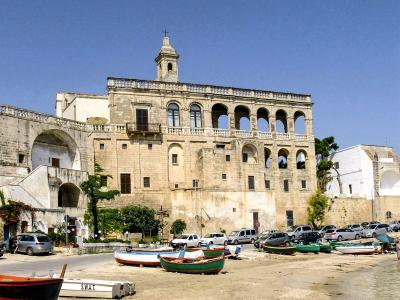
Abbazia di San Vito
Benedictine abbey above a tiny harbour, 3 km north of Polignano
Coastal & Maritime · Harbor Views
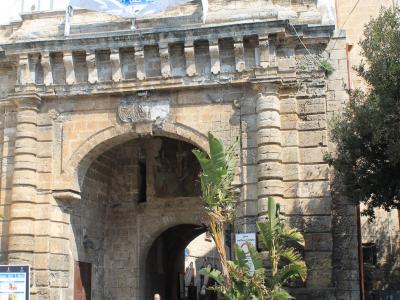
Arco Marchesale (Porta Grande)
1530 gateway, once the only way into Polignano's old town
Historic Districts · Historic Gates
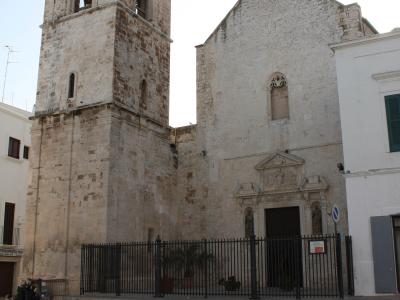
Chiesa Matrice di Santa Maria Assunta
Former cathedral of Polignano, consecrated 1295, with San Vito relics
History & Heritage · Historic Churches
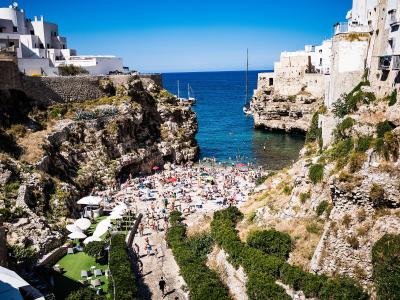
Lama Monachile
Pebble cove in Polignano A Mare cliffs
Beaches · Scenic Viewpoints
Questions people ask
Quick Facts
Best Time to Visit
Visit between April and June or September and October for mild temperatures and fewer crowds.