







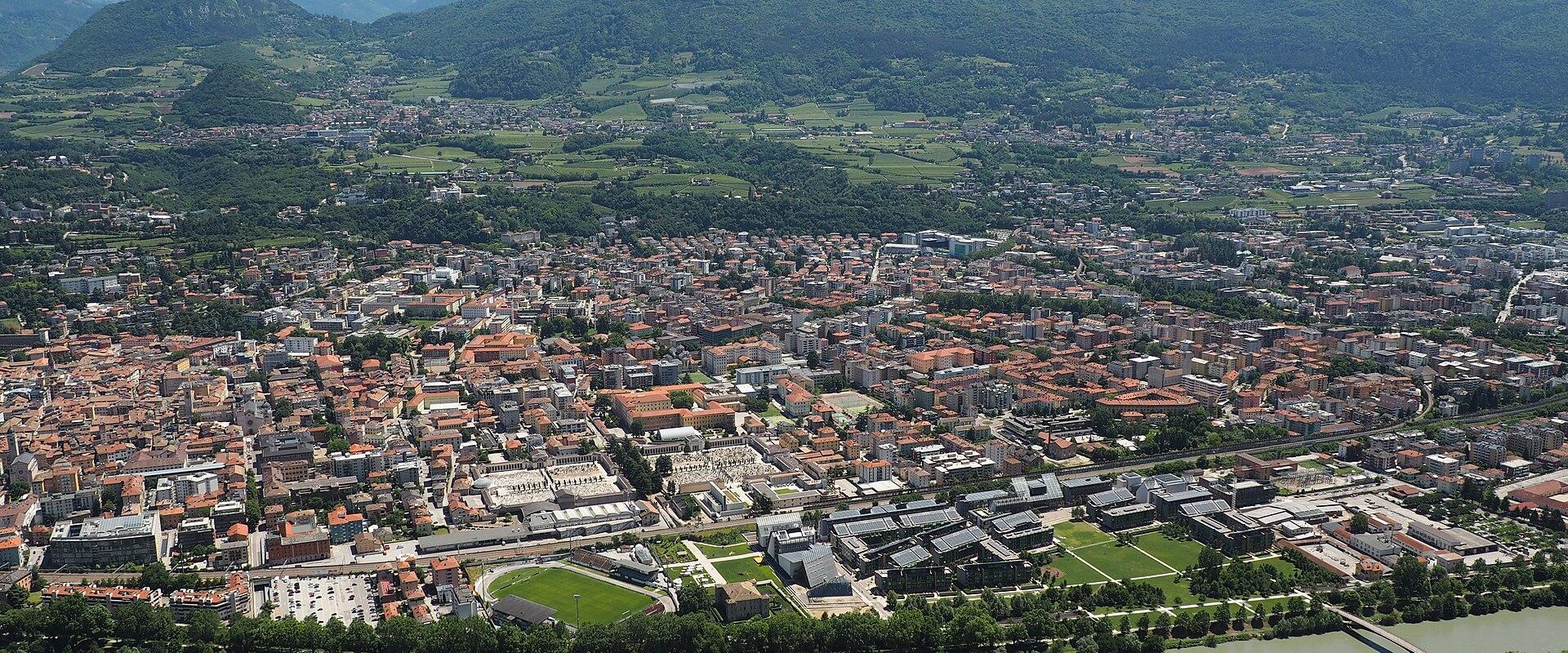
Trento
Alpine city in Trentino with Renaissance history and Dolomite views
Trento’s history is deeply rooted in its strategic position in the Adige Valley. Originally a Roman settlement, it became an important bishopric in the Middle Ages. The Prince-Bishops of Trento ruled the city for centuries, fostering a period of cultural and architectural flourishing. The Buonconsiglio Castle, the former residence of the Prince-Bishops, is a prime example of this era, with frescoes and fortifications. In the 16th century the Council of Trent was held in the city, a pivotal event in the Catholic Counter-Reformation. After the fall of the Prince-Bishops, Trento passed through various hands, including Austrian and Venetian control, before becoming part of Italy in 1919. The 20th century saw the city develop into a centre for education and industry while preserving its historic heritage.
The main attractions are centred on the historic centre and the cultural institutions. The Castello del Buonconsiglio is the most significant landmark, with museums of art and history, and a famous cycle of frescoes illustrating the months of the year. The Duomo di Trento, the Cathedral of San Vigilio, has Romanesque and Gothic architecture, and beneath it lies the Early Christian Basilica of San Vigilio, an archaeological site open to visitors. Piazza Duomo, with its fountain of Neptune, is the social hub of the city, surrounded by historic buildings and cafes. Via Belenzani, lined with frescoed palaces, is the old city's finest street. The MUSE, the Museum of Science (Museo delle Scienze) designed by architect Renzo Piano, is a modern architectural landmark that explores the relationship between humans and nature. The Palazzo delle Albere, a Renaissance villa, hosts exhibitions of modern art, and the Museo degli Usi e Costumi della Gente Trentina, in a former monastery at San Michele all'Adige, is the largest ethnographic museum in the region. The Adige River offers scenic walks and cycling paths.
Further out, the Castello di Avio, a medieval fortress run by the Fondo Ambiente Italiano, stands on a hill farther south in the valley, and the lakes and castles of Trentino are within an easy drive.
Activities in Trento include exploring the historic sites, visiting museums, and enjoying the outdoors. The city is a base for hiking and skiing in the Dolomites, with nearby resorts such as Monte Bondone offering winter sports. The surrounding valleys provide cycling, hiking, and nature walks. Trento also hosts festivals and events through the year, including the Trento Film Festival, devoted to mountain films, and the Trento Book Festival. Dining features traditional Trentino cuisine, including canederli (dumplings), speck (smoked ham), and wines such as Teroldego and the local sparkling Trentodoc. Shopping includes local ceramics, textiles, and food products. For those interested in history, guided tours explore the Council of Trent and the Prince-Bishops’ legacy.
Getting to Trento is convenient by rail and road. The city is well connected by the Brenner Railway, with frequent trains from Verona, Innsbruck, and other major cities, and Trento has a railway station in the city centre. By car, the A22 motorway provides easy access from Verona and Bolzano. The nearest airport is Verona Villafranca Airport, about an hour and a quarter away by road.
The best time to visit Trento is from April to June or September to October, when the weather is mild and pleasant, ideal for outdoor attractions and historic sites. July and August are peak tourist months, with higher temperatures and larger crowds. Winter is cold but offers skiing and snow sports in the surrounding mountains. Despite the seasonal variations, Trento’s rich history and cultural offerings make it a rewarding destination year-round.
Best time to visit
Visit between April and June or September and October for mild temperatures and fewer crowds.
What to see in Trento
Our picks first.
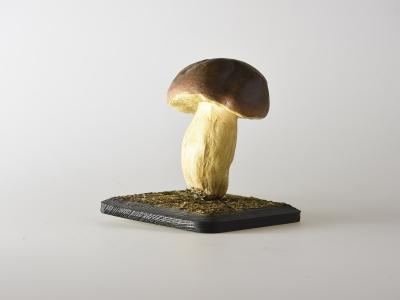
Museo delle Scienze (MUSE)
Renzo Piano-designed science museum in Trento
History & Heritage · Museums & Culture
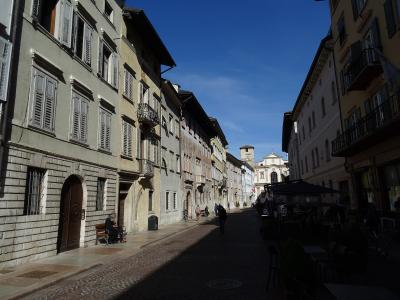
Via Belenzani
Historic Trento street with cafes and architecture
History & Heritage · Urban Exploration
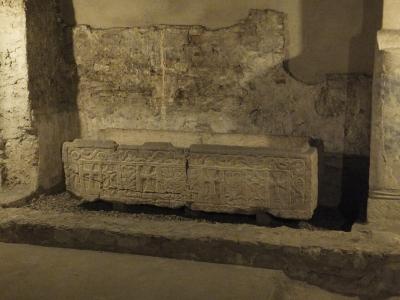
Basilica of San Vigilio
4th-century archaeological basilica beneath Trento Cathedral
History & Heritage · Museums & Culture
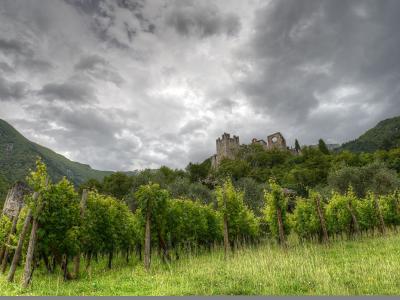
Castello di Avio
Medieval fortress in the Adige Valley
Castles & Fortresses · Cultural Tours
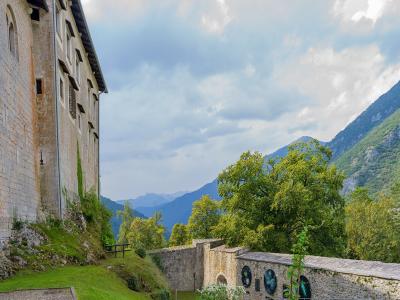
Castello di Buonconsiglio
Medieval castle with frescoes and gardens in Trento
Art Museums · Castles & Fortresses
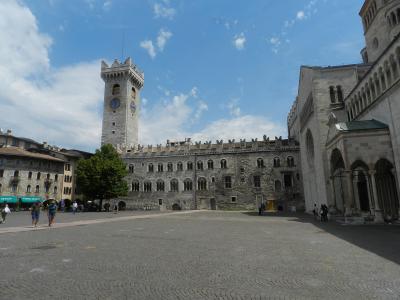
Duomo di Trento
Historic Trento Cathedral in Piazza Duomo
Free Architectural Monuments · Historic Churches
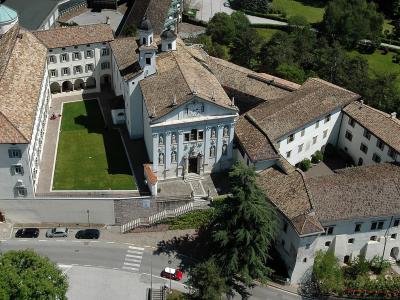
Museo degli Usi e Costumi della Gente Trentina
Italy's largest ethnographic museum in a baroque church
From €6 History & Heritage · Museums & Culture
Trento by interest
The same sights, grouped by what you came for.
Planning a visit to Trento
Good to know
- Currency
- EUR
- Language
- Italian
Quick Facts
Book your stay
Questions people ask
More places in Trentino-Alto Adige/South Tyrol
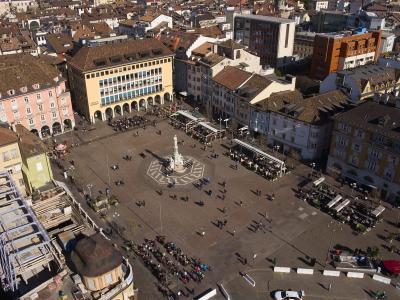
Trentino-Alto Adige/South Tyrol
Bolzano
South Tyrolean capital blending Alpine and Italian cultures in Dolomites
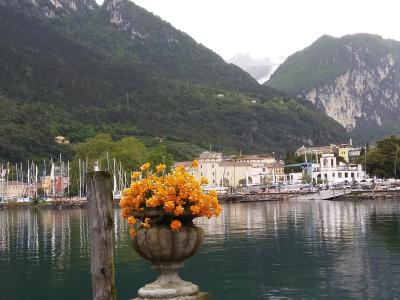
Trentino-Alto Adige/South Tyrol
Riva Del Garda
Alpine lake town on Lake Garda known for windsurfing and medieval fortress
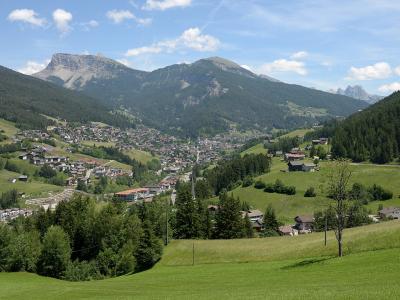
Trentino-Alto Adige/South Tyrol
Ortisei
Ladin cultural hub in Val Gardena with UNESCO Dolomites access
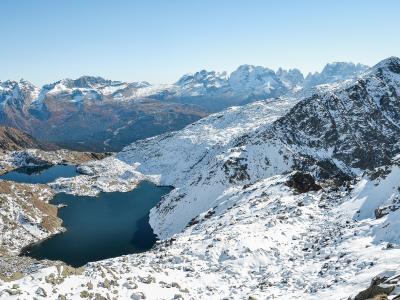
Trentino-Alto Adige/South Tyrol
Madonna Di Campiglio
Alpine ski resort in Trentino with Brenta Dolomites views and elegance