Bolzano
South Tyrolean capital blending Alpine and Italian cultures in Dolomites
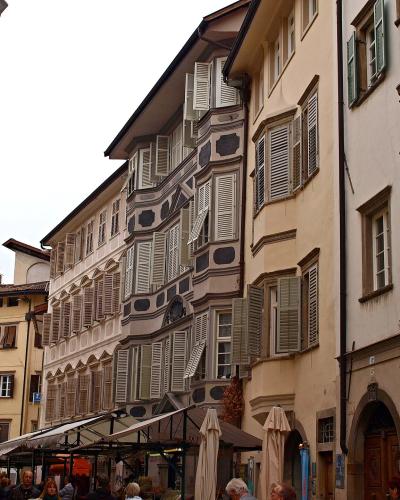
Bolzano’s history is deeply rooted in its strategic location in the Alps. Originally a Roman settlement, it grew in importance during the Middle Ages as a trade hub on the route between Italy and Central Europe. In the 12th century, it came under the rule of the Bishops of Trent, who fortified the city and built many of its early structures. In 1815, Bolzano became part of the Austrian Empire, leading to a period of German cultural influence that persists today. After World War I, the Treaty of Saint Germain transferred South Tyrol to Italy, making Bolzano an Italian city with a strong German-speaking majority. This dual heritage is evident in the city’s architecture, signage, and daily life. During World War II, Bolzano was occupied by Nazi Germany and served as a transit camp, a somber chapter in its history. Post-war, the region gained autonomy, allowing Bolzano to preserve its unique cultural identity within Italy. Today, the city balances its historical roots with modern development, hosting international conferences and art exhibitions.
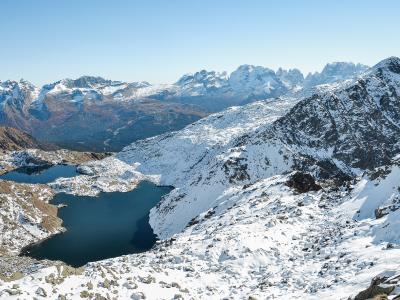
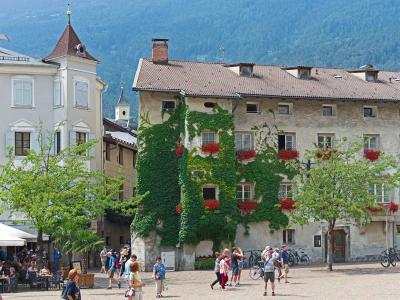
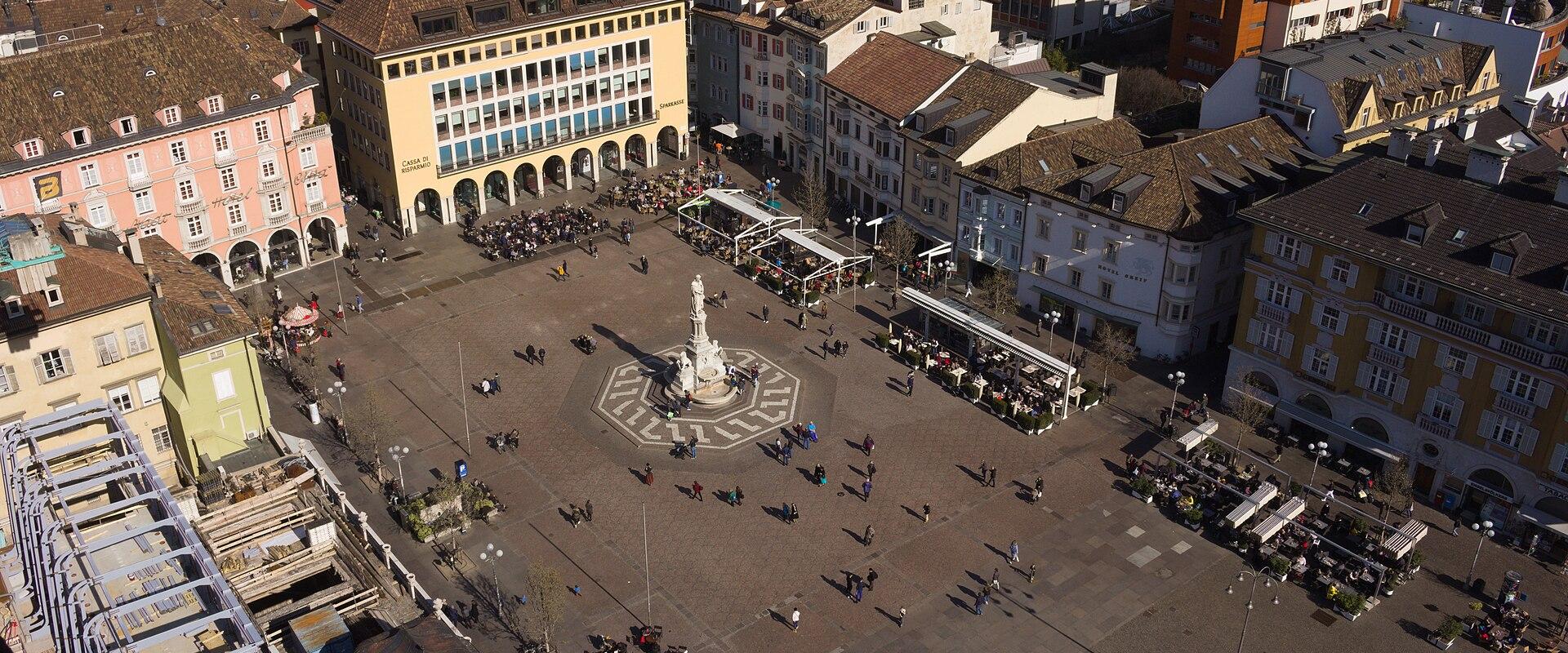
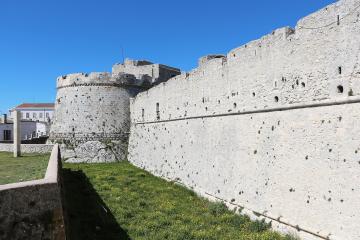
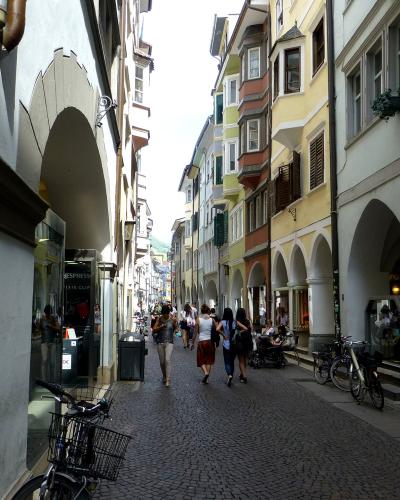
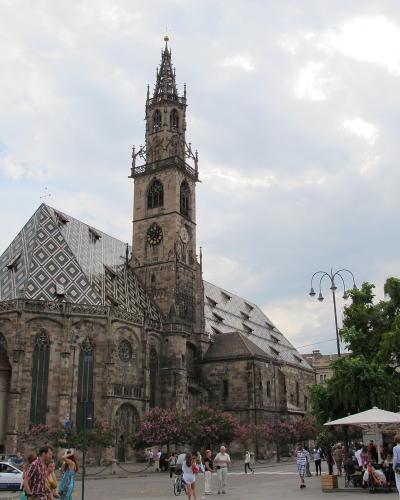
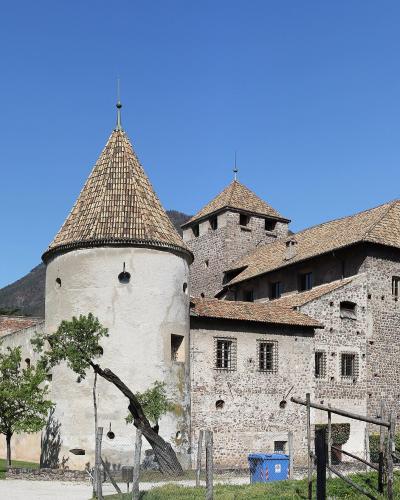
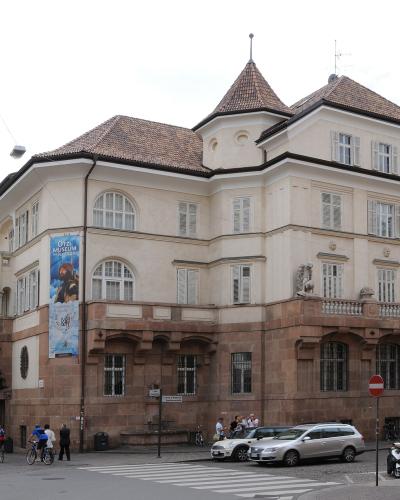
The main attractions in Bolzano are centered around its historic center and cultural institutions. The Waltherplatz is the main square, surrounded by cafes, shops, and the statue of Walther von der Vogelweide. The Duomo di Bolzano, a Romanesque church, houses the relics of Saint Augustine and features beautiful frescoes. The South Tyrol Museum of Archaeology is world-famous for housing Ötzi the Iceman, a 5,300-year-old natural mummy discovered in the Alps. The Castello di Marebo, a medieval castle on a hill overlooking the city, offers panoramic views and houses a museum. The Via dei Portici, a covered shopping street, connects the old town with the modern district. The city also boasts the Museo d’Arte Moderna e Contemporanea (MART), showcasing contemporary art. The surrounding Dolomites offer access to hiking trails and ski resorts.
Activities in Bolzano include exploring the historic sites, visiting museums, and enjoying outdoor adventures. The city is known for its traditional Tyrolean cuisine, including speck (cured ham), knödel (dumplings), and apple strudel, as well as local wines like Lagrein and Gewürztraminer. Visitors can take the Renon Cable Car to the Ritten plateau for hiking and cycling. The Adige River offers opportunities for walking and cycling along its banks. Bolzano also hosts various festivals, including the Bolzano Film Festival and the Christmas Market, one of the largest in the Alps. Shopping includes local ceramics, wool products, and food items. For those interested in history, guided tours are available to explore the Roman, medieval, and Austro-Italian heritage of the city.
Getting to Bolzano is convenient via rail and road. The city is well-connected by train from Verona and Innsbruck, with frequent services to Bolzano station. For those traveling by car, the A22 motorway provides easy access from Verona and Brenner. The nearest airport is Bolzano Airport, located about 5 kilometers away, with connections to major European cities. The best time to visit Bolzano is from May to September for hiking and outdoor activities, or December for the Christmas Market. Winter offers skiing in the surrounding mountains, while summer is ideal for exploring the city and nearby valleys. Despite the seasonal variations, Bolzano’s rich cultural blend and natural beauty make it a rewarding destination year-round.
Best Time to Visit
Visit between May and September for hiking or December for the Christmas Market.
Did you know?
Interesting, verified facts about Bolzano
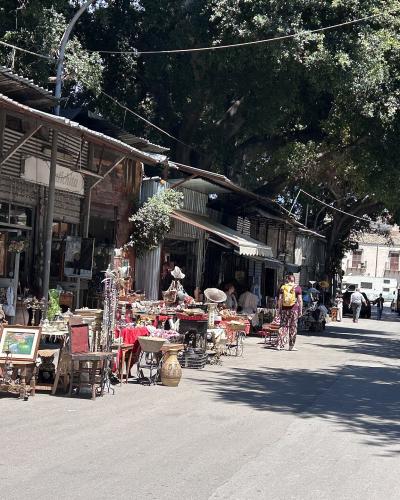
Bolzano Keeps a Market Tradition
Food & DrinkAs the gateway to the Dolomites, Bolzano provides access to stunning mountain landscapes while maintaining a vibrant urban life with museums, markets, and culinary delights.
Source: What is Bolzano famous for? | Blog about travel to ItalyBolzano Has a Second Local Claim
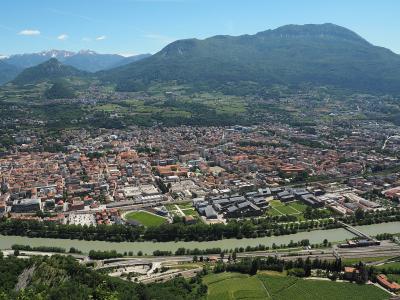
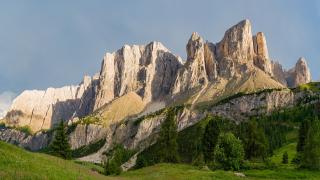
HistoryNestled in the Adige Valley at the foot of the Dolomites, it serves as a unique cultural crossroads where Italian flair meets Alpine tradition.
Source: Bolzano - WikipediaBolzano Preserves Medieval Heritage
HistoryThe city offers a distinct atmosphere characterized by its bilingual heritage (Italian and German), medieval architecture, and modern design.
Source: Bolzano - WikipediaPlan Your Visit to Bolzano
Essential travel tips and information for your trip to Bolzano.
Suggested Itineraries
Travel Tips
Currency
EUR • Cards widely accepted
Language
Italian • English in tourist areas
WiFi
Free WiFi in cafes and hotels
Explore Bolzano by Interest
Discover attractions and experiences in Bolzano organized by your interests and travel preferences.
All attractions in Bolzano
Sorted by our recommendation score
Quick Facts
Book your stay
Frequently Asked Questions
More destinations in Trentino-Alto Adige/South Tyrol
Explore other amazing places in the Trentino-Alto Adige/South Tyrol region