







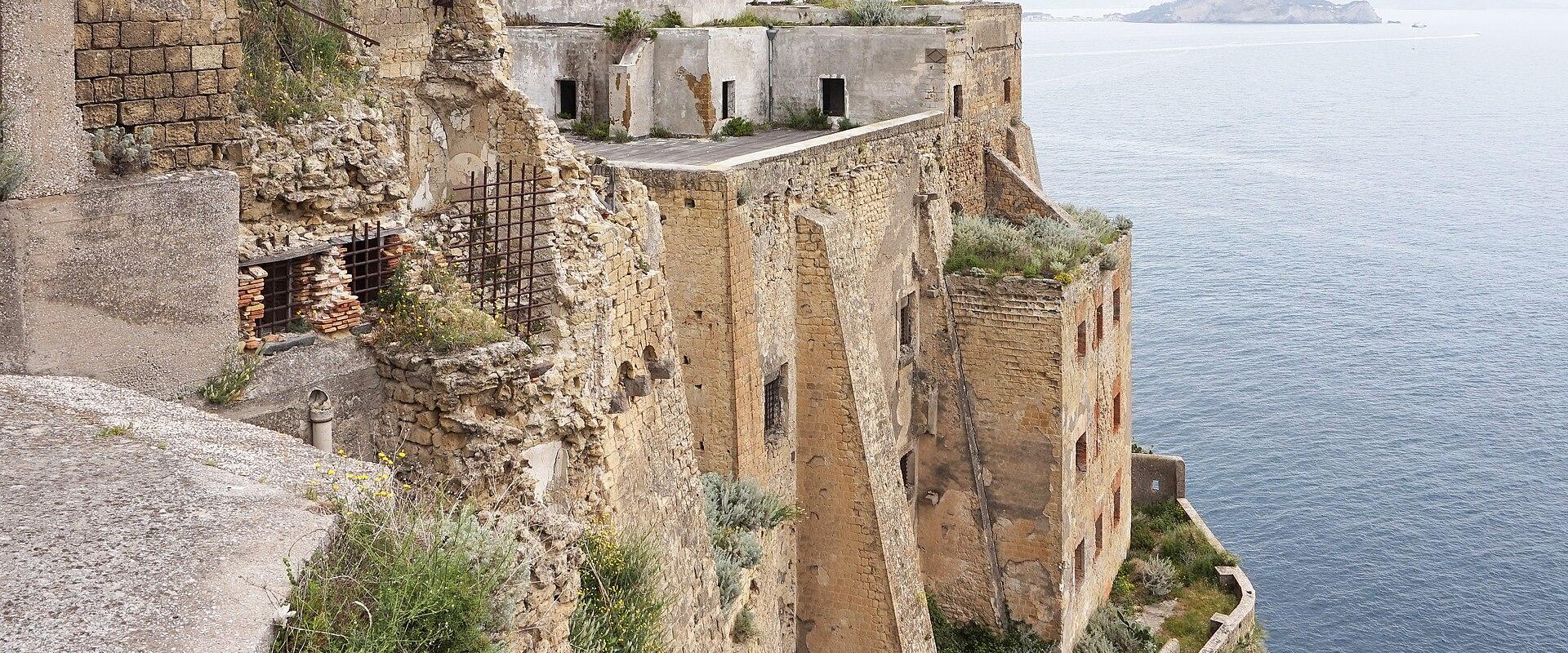
Procida
Colorful fishing island in the Bay of Naples with vibrant architecture
Procida’s history is deeply rooted in its maritime heritage and volcanic origins. The island was settled by the Greeks and later became a strategic point for the Romans. During the Middle Ages it was ruled by various feudal lords and played a part in the naval conflicts of the Mediterranean. The island’s economy has traditionally relied on fishing, shipbuilding, and agriculture, particularly the cultivation of lemons and capers. In the 20th century Procida began to attract artists and writers, who were drawn to its landscapes and way of life, and the island was a setting for a well-known film in the 1990s. In 2022 Procida was named the Italian Capital of Culture, highlighting its cultural significance and boosting its tourism sector. The island preserves its historic centre, with narrow alleys, coloured houses, and old churches, reflecting its layered past as a fishing village and cultural hub.
The main attractions are centred on the colourful architecture and the coastal scenery. The Marina di Procida, also called Marina Grande, is the main port and the liveliest part of the island, with painted houses, fishing boats, and waterfront restaurants. The Chiaiola district, the fishing village known as Corricella, is the 'colourful quarter,' famous for its vivid facades and narrow lanes that descend to the water. The Church of Santa Maria del Soccorso, whose feast is celebrated on the island, adds a religious and festive note. The Terra Murata, the fortified upper town, is the highest and oldest part of the island, with the abbey of San Michele Arcangelo and a large old palace that was later used as a prison, and the hill offers views of the sea and the other islands and the Bay of Naples. The island also has several beaches, including the Marina Grande shore and the Lido di Procida, where visitors can swim and relax. The surrounding waters are good for snorkelling and diving, with clear visibility and marine life.
Beyond the main island, the Isola di Vivara, a crescent-shaped volcanic island near Chiaiolella, is a protected nature reserve linked to Procida by a footbridge, with walking paths among the Mediterranean scrub.
Activities in Procida include exploring the historic centre, visiting the beaches, and enjoying the local cuisine. The island is known for fresh seafood dishes, including spaghetti with clams, grilled fish, and local wines such as Falanghina. Visitors can take guided tours to learn about the island’s history and culture. The island offers hiking and cycling, with scenic trails through the interior. Procida also hosts festivals and events through the year, including the Procida Film Festival and the Feast of Santa Maria del Soccorso. Shopping includes local ceramics, textiles, and food products, and the local market sells fruit, vegetables, and fish. For those interested in history, guided tours explore the Terra Murata and the island’s fortifications.
Getting to Procida is easiest by ferry. The island is reached by ferry from Naples, Ischia, and Pozzuoli, with frequent services to the Marina di Procida port. The ferry carries vehicles, but most visitors explore the island on foot or by local bus, because the lanes are narrow and the island is small. The nearest airport is Naples International Airport, about 20 kilometres away.
The best time to visit Procida is from May to June or September to October, when the weather is warm and pleasant, ideal for beach activities and sightseeing. July and August are peak tourist months, with higher temperatures and larger crowds. Winter is mild but can be windy. Despite the seasonal variations, Procida’s vibrant colours and authentic atmosphere make it a rewarding destination year-round.
Best time to visit
Visit between May and June or September and October for warm weather and fewer crowds.
What to see in Procida
Our picks first.
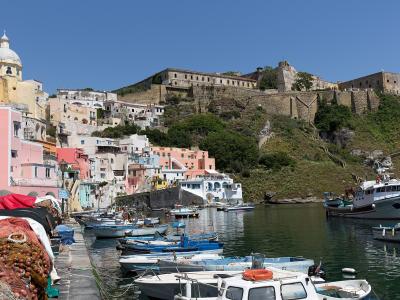
Terra Murata
Medieval fortified village on Procida's highest peak
From €5 Coastal Walks · Historic Towns
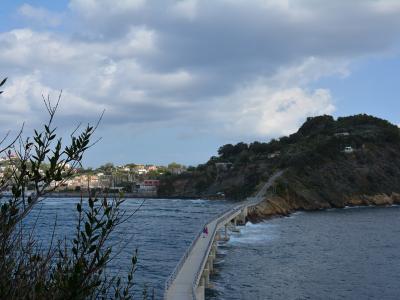
Isola di Vivara
Volcanic nature reserve with Bronze Age ruins
Hiking Trails · Islands
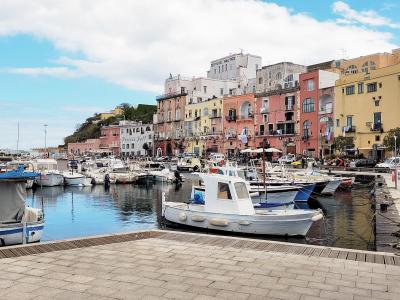
Marina di Procida
Historic fishing port in Procida
Coastal & Maritime · Historic Districts
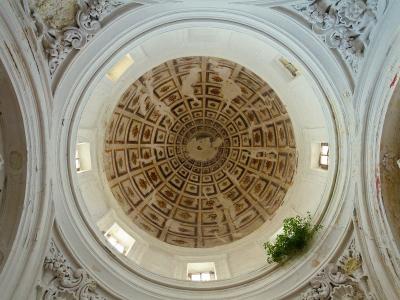
Abbey of San Michele Arcangelo
Abbey of Procida's patron saint at the top of Terra Murata
History & Heritage · Historic Churches
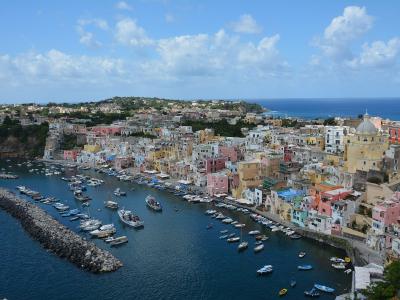
Marina Corricella
Car-free fishing harbour of stacked pastel houses below Terra Murata
Fishing Villages · Harbor Views
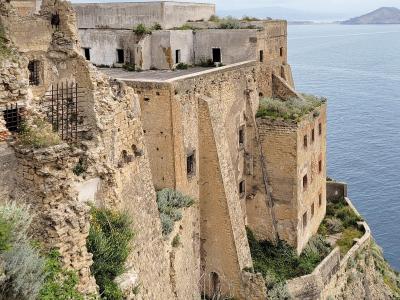
Palazzo d'Avalos
1563 noble palace on Terra Murata, a Bourbon prison until 1988
History & Heritage · Urban Exploration
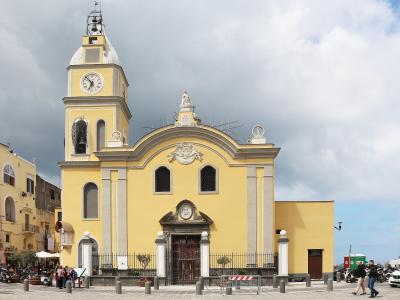
Church of Santa Maria della Pietà
1760 sailors' church on the Marina Grande waterfront
Harbor Views · Historic Churches
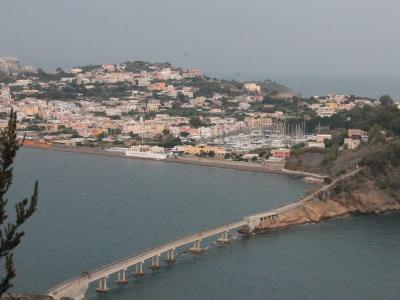
Chiaiolella Beach
Procida's longest sandy beach, facing Vivara and Ischia
Beaches · Sunset Views
Procida by interest
The same sights, grouped by what you came for.
Planning a visit to Procida
Good to know
- Currency
- EUR
- Language
- Italian
Quick Facts
Book your stay
Questions people ask
More places in Campania and Amalfi Coast
Campania and Amalfi Coast
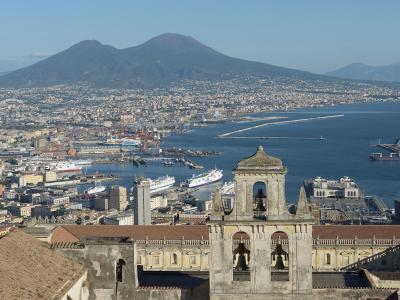
Naples
Vibrant Neapolitan city with UNESCO heritage, pizza origins, and Vesuvius views
Campania and Amalfi Coast
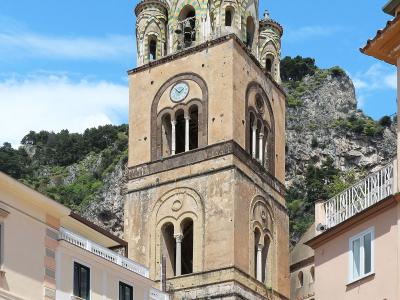
Amalfi
Historic maritime republic on the Amalfi Coast with dramatic cliffs
Campania and Amalfi Coast
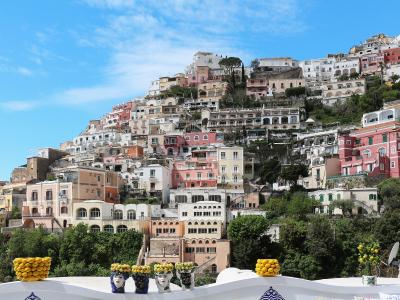
Positano
Iconic Amalfi Coast village with cascading pastel buildings and cliffs
Campania and Amalfi Coast
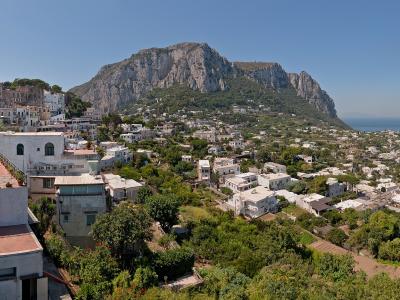
Capri
Iconic Italian island with Blue Grotto, dramatic cliffs, and luxury resorts