







- Admission
- Starting from €5 for specific sites
- Where
- Procida, Campania and Amalfi Coast
- Directions
- Directions
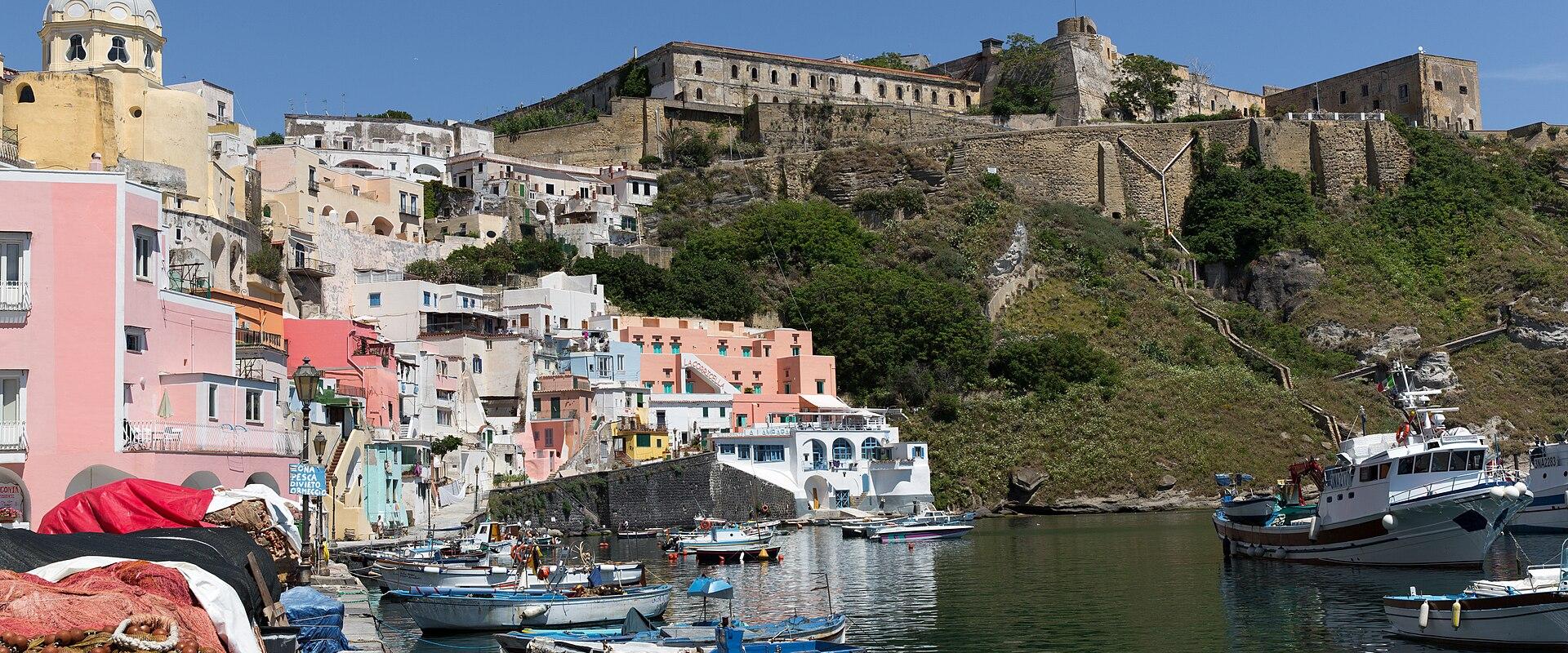
Terra Murata is the oldest part of Procida, in Italy, the little island in the Bay of Naples, a walled village on the island’s highest hill, perched on a rock of volcanic tuff, from which it looks over the Gulf of Naples and the neighbouring islands, and it is the place that best explains the island’s history. Its name means walled land, and for centuries it was the only safe place on Procida. Pirates and corsairs raided the Mediterranean coasts through the Middle Ages and the Renaissance, and the inhabitants of the island, who were fishermen, sailors and farmers, retreated behind the walls of the hilltop village when the raiders appeared, so that the whole community lived and worshipped in the fortress. The settlement was fortified in the 16th century, with walls, gates and bastions, after a particularly devastating raid in 1534, and the walls still run around the edge of the plateau.
The climb is part of the experience. Terra Murata can be reached by a steep route from the lower town and the harbour, through narrow streets and steps, and the effort is rewarded at the summit with some of the finest views in the Bay of Naples, over the roofs of Procida, the sea and the coasts of Ischia, Capri and the mainland, with Vesuvius on the horizon. At the top, the village has the character of a quiet, closed world, with houses built of the local tuff, whitewashed or painted in soft colours, with external stairs and vaulted passages, grouped around small courtyards, and a few visitors wandering through the lanes. Cats sit in the sun and the church bells ring.
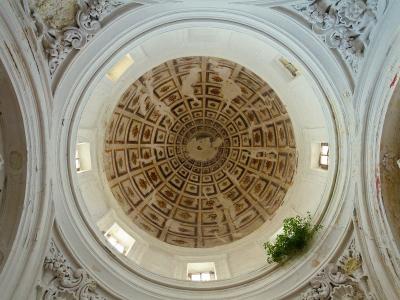
The village contains several important buildings. The Palazzo d’Avalos, a massive palace, was built in 1563 by Cardinal Innico d’Avalos as a residence and later became a royal hunting lodge for the Bourbons and, in the 19th century, a prison, a function that it kept as a citadel until 1988. It is now abandoned, but its great walls dominate the hilltop. The Abbey of San Michele Arcangelo, from the 16th century, with its elaborate Baroque interior and treasures, and the Monastery of Santa Margherita Nuova, a cloistered convent, are the main religious sites. On the walls, old cannons recall the Neapolitan Republic of 1799, the short-lived revolutionary government in which Procida played a part, and an underground burial place, where the dead of the community were laid, can be visited at times.
Visitors should be aware that there are few facilities at the top, so bring water and wear comfortable shoes. The abbey and other sites have their own opening times, which vary, so check locally. The visit takes about an hour or two, and it is best in the morning or late afternoon, when the light is soft. It is the highest point of the island and can also be reached by local bus. Procida’s other sights include the fishing village of Marina Corricella, famous for its pastel houses, and the Marina di Procida at the harbour, as well as the nature reserve of the Isola di Vivara, the Fortress of Procida (Rocca di Procida), and the Villa Arbusto, which is actually on the neighbouring island of Ischia. Terra Murata suits walkers, photographers and anyone who enjoys history and views.
Categories
More photos coming soon
Admission Fees
- Admission
- Starting from €5 for specific sites
Hours and prices change, especially out of season. Check with the venue before you go.
Nearby Attractions
Other places to visit in Procida
Abbey of San Michele Arcangelo
Abbey of Procida's patron saint at the top of Terra Murata
History & Heritage · Historic Churches
Isola di Vivara
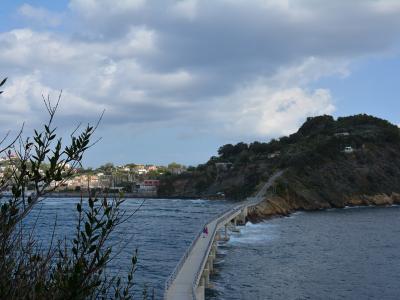
Volcanic nature reserve with Bronze Age ruins
Hiking Trails · Islands
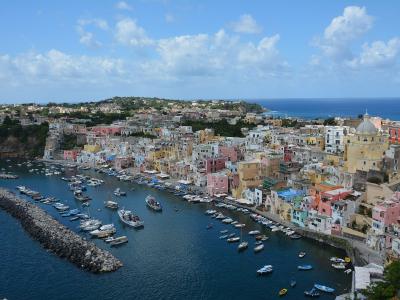
Marina Corricella
Car-free fishing harbour of stacked pastel houses below Terra Murata
Fishing Villages · Harbor Views
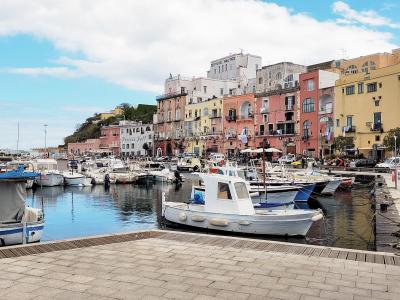
Marina di Procida
Historic fishing port in Procida
Coastal & Maritime · Historic Districts
Questions people ask
Quick Facts
Best Time to Visit
Visit between May and June or September and October for warm weather and fewer crowds.