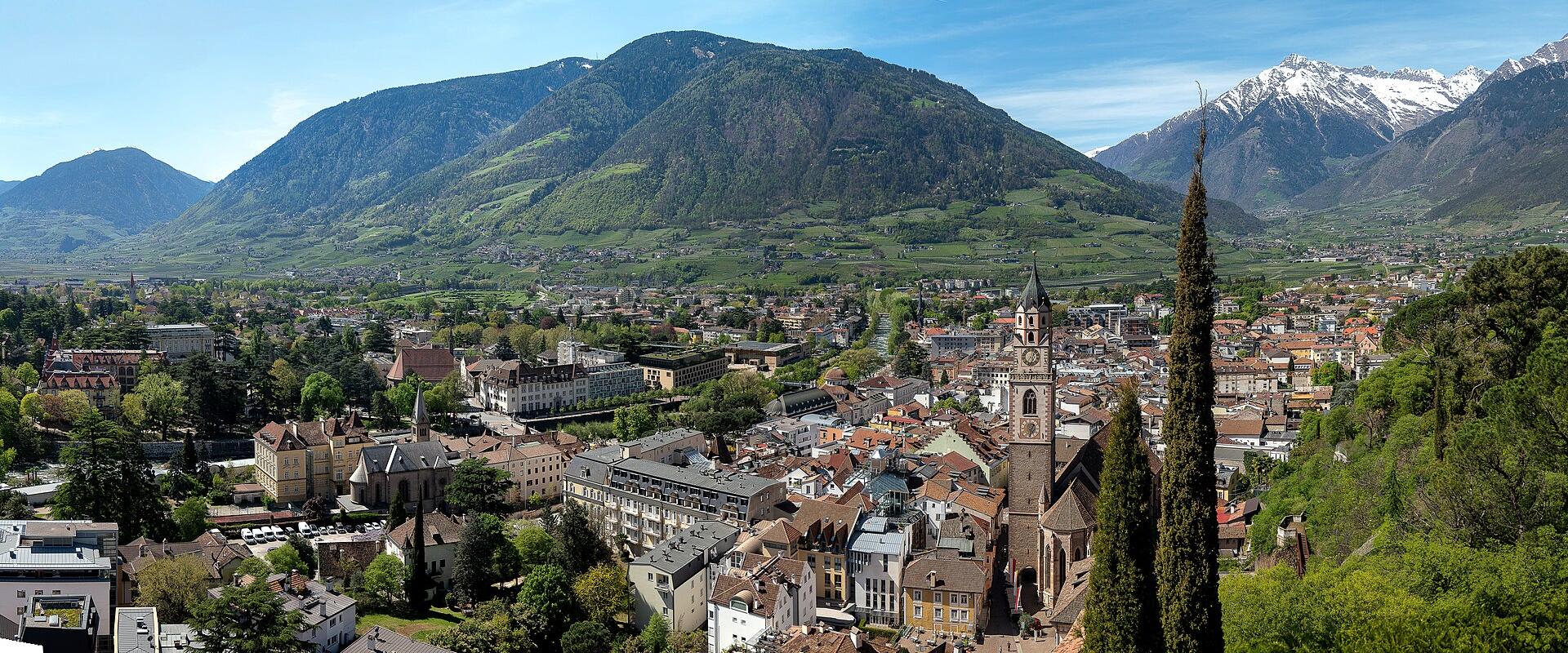
Merano
Historic spa town in South Tyrol blending Alpine and Mediterranean cultures
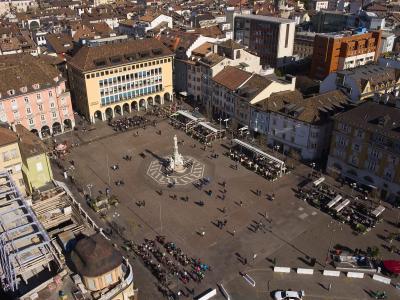
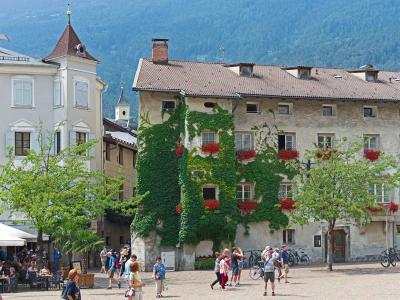
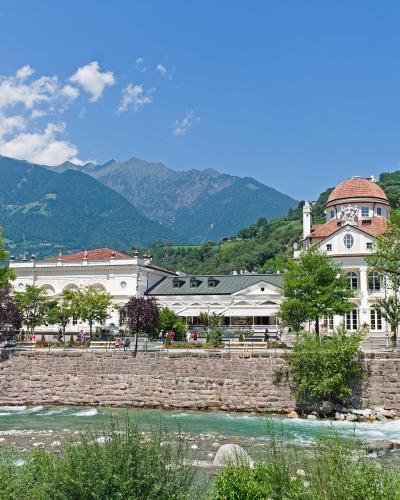
Merano’s history dates back to Roman times, when it was known as Meranus. The town flourished during the Middle Ages as a trade center and later became a popular health resort in the 19th century, attracting aristocrats and intellectuals from across Europe due to its mild climate and therapeutic springs. This period saw the construction of many of its current historic buildings, including the Kurhaus, a grand spa complex. After World War I, Merano became part of Italy, but it retained its Austro-Hungarian architectural and cultural influences. Today, the town is known for its blend of Tyrolean Alpine traditions and Italian lifestyle, creating a distinctive cosmopolitan atmosphere. The town has preserved its historic center, which includes elegant villas, parks, and churches, reflecting its rich past as a spa destination.
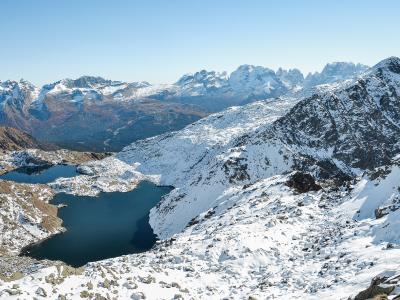
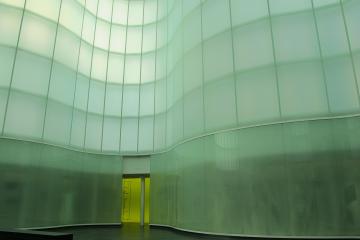
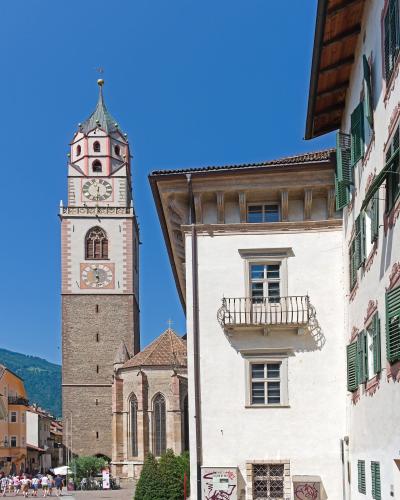
The main attractions in Merano are centered around its thermal baths and historic sites. The Kurhaus is the heart of the town, featuring a beautiful facade and housing the spa facilities, casino, and event halls. The Merano Thermal Baths offer a range of treatments using the local mineral waters. The Passeggiata del Sole, or Promenade of the Sun, is a scenic walkway lined with palms and statues, offering views of the surrounding mountains. The Castle of Trausnitz, located on a hill overlooking the town, houses a museum and offers panoramic views. The Church of St. Martin is a notable Gothic church in the historic center. The town also boasts several museums, including the Museum of Modern and Contemporary Art, which features works by local and international artists. The surrounding area offers access to hiking trails and ski resorts.
Activities in Merano include spa treatments, hiking, and cycling. The town is known for its mild climate, which allows for year-round outdoor activities. Visitors can take guided tours to learn about the town’s history and architecture. The surrounding valleys offer opportunities for wine tasting, with local wines like Sylvaner and Gewürztraminer. Merano also hosts various festivals and events throughout the year, including the Merano Wine Festival. Shopping includes local ceramics, textiles, and food products. For those interested in history, guided tours are available to explore the town’s spa heritage and Austro-Italian cultural blend.
Getting to Merano is convenient via rail and road. The town is well-connected by train from Bolzano and Innsbruck, with frequent services to Merano station. For those traveling by car, the A22 motorway provides easy access from Bolzano and Verona. The nearest airport is Bolzano Airport, located about 30 kilometers away. The best time to visit Merano is from April to June or September to October, when the weather is mild and pleasant, ideal for exploring the outdoor attractions and historic sites. July and August are peak tourist months, with higher temperatures and larger crowds. Winter is cold but offers opportunities for skiing in the surrounding mountains. Despite the seasonal variations, Merano’s rich history and cultural offerings make it a rewarding destination year-round.
Best Time to Visit
Visit between April and June or September and October for mild temperatures and fewer crowds.
Did you know?
Interesting, verified facts about Merano
Merano Has a Distinct Local Story
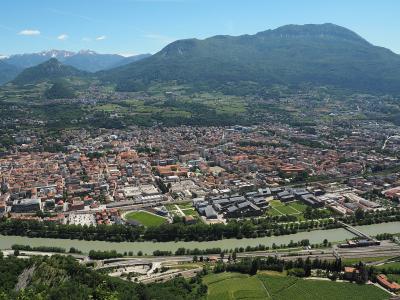
HistoryMerano is a historic spa town in the Trentino-Alto Adige region of northern Italy, located in the Adige Valley at the foot of the Alps.
Source: Merano - WikipediaMerano Has Another Verifiable Detail
HistoryThe town serves as a premier tourism destination, attracting visitors with its mild microclimate, rich history, and access to outdoor activities.
Source: Merano - WikipediaPlan Your Visit to Merano
Essential travel tips and information for your trip to Merano.
Suggested Itineraries
One Day in Merano
1 dayPerfect for a quick visit. See the main highlights and get a taste of local culture.
Extended Merano Experience
2-3 daysComprehensive exploration including nearby attractions and cultural experiences.
Travel Tips
Currency
EUR • Cards widely accepted
Language
Italian • English in tourist areas
WiFi
Free WiFi in cafes and hotels
Explore Merano by Interest
Discover attractions and experiences in Merano organized by your interests and travel preferences.
All attractions in Merano
Sorted by our recommendation score
Quick Facts
Book your stay
Frequently Asked Questions
More destinations in Trentino-Alto Adige/South Tyrol
Explore other amazing places in the Trentino-Alto Adige/South Tyrol region