







- Where
- Merano, Trentino-Alto Adige/South Tyrol
- Directions
- Directions
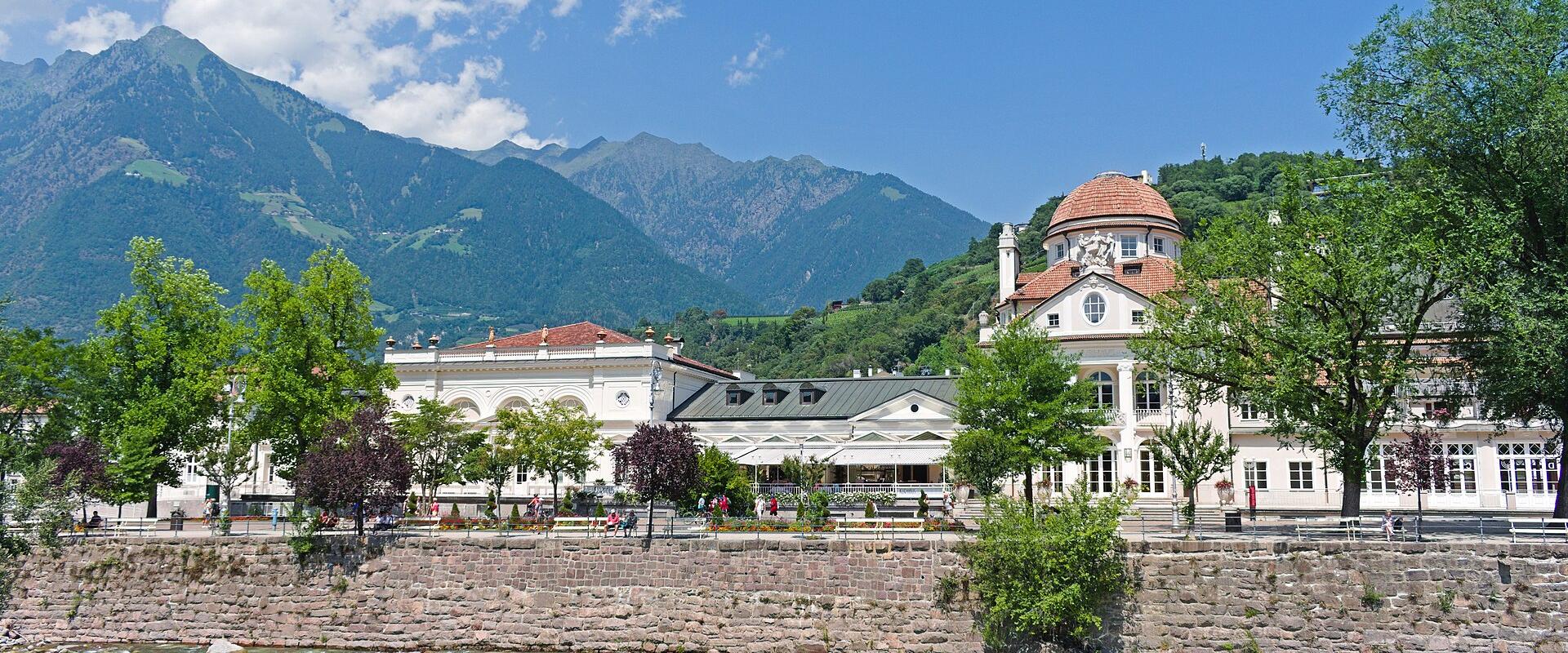
The Kurhaus is the grand spa pavilion of Merano, a town in South Tyrol that rose to fame in the 19th century as one of the most fashionable health resorts of the Habsburg empire. It stands on the Cure Promenade, the riverside walkway along the Passer, and it is an unofficial landmark of the town, a place where residents and visitors still gather for concerts, congresses and festivals. The mild, sheltered climate of Merano, with the Alps shielding it from northern winds, attracted guests for the grape cure, whey cure and winter stays, and the Kurhaus was built as the social center of the spa. The original building was inaugurated in 1874, and in its early years was lit with gas, before electric lighting was introduced.
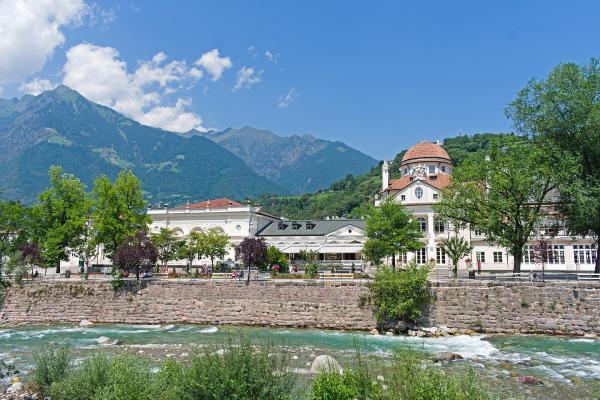
The building as seen today is the result of an Art Nouveau transformation. Early in the 20th century, the Viennese architect Friedrich Ohmann was commissioned to expand and remodel the complex, adding a rotunda and the Kursaal, the large hall for concerts and balls, in the flowing Jugendstil style that was fashionable at the time. The facade, with its curved lines, decorative ironwork, glass and ornate details, gives the Kurhaus an elegance that has made it one of the best examples of Art Nouveau architecture in the Alps. Its silhouette can be seen from afar in the center of Merano’s Old Town, and it is surrounded by the porticoes of the shopping streets and the gardens along the river.
Today the Kurhaus is a versatile venue for international events. The calendar includes the Merano Music Weeks, a classical music festival, the WineFestival, a major gathering of wine producers, Culinaria, devoted to food, and the Merano Christmas Market, whose stalls stand around the building in winter. The building has multiple halls, among them the Lentner hall, along with conference rooms, and its interiors maintain the grandeur of the spa era, with high ceilings and large windows. Visitors can explore the architecture and attend events held within its halls, and when no event is on, parts of the building can be seen from the outside and the promenade.
The location along the Cure Promenade makes it easily accessible for those walking through the town. A walk along the river is the best way to see the Kurhaus in context, with the arcaded lanes of the old town on one side and, across the River Passer, the new Merano Thermal Baths, a modern glass building that continues the town’s spa tradition. The Passerelle, a footbridge nearby, and the parish church of St. Nikolaus are within a short walk.
The Kurhaus reflects Merano’s cultural heritage, blending historical architecture with contemporary event hosting. It suits those interested in Art Nouveau architecture and in the town’s spa culture and artistic life, and it makes an elegant stop on any day in Merano. Check the current event program before visiting, since access to the interior depends on what is being held.
More photos coming soon
Nearby Attractions
Other places to visit in Merano
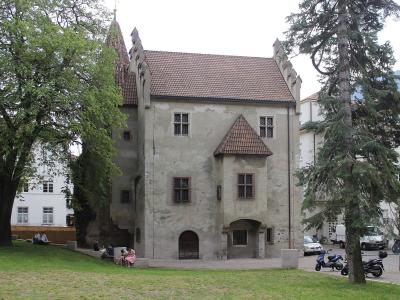
Merano Castle (Castello di Merano)
Medieval castle in Merano's historic center
Architectural Monuments · Castles & Fortresses
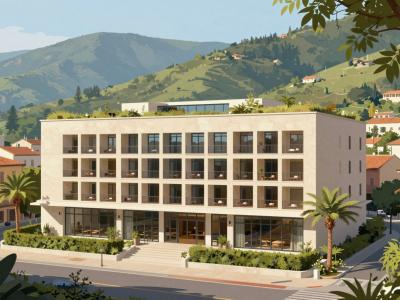
Merano Thermal Baths (Therme Merano)
Modern glass spa in Merano's historic center
Architectural Monuments · Spa & Thermal
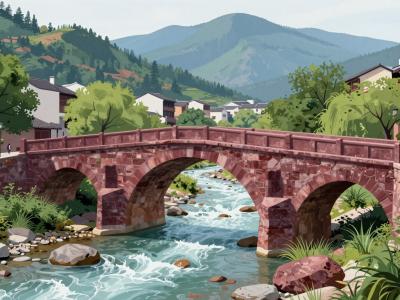
Passerelle (Merano Bridge)
1617 porphyry footbridge with crenellated parapets
Historic Bridges · Historic Districts
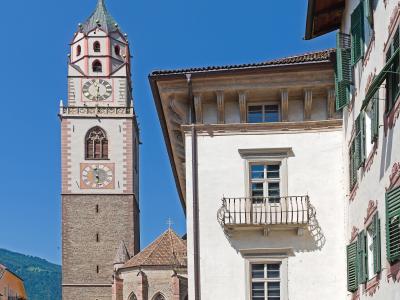
Stadtpfarrkirche St. Nikolaus
Late Gothic parish church in Merano
Architectural Monuments · Historic Churches
Questions people ask
Quick Facts
Best Time to Visit
Visit between April and June or September and October for mild temperatures and fewer crowds.