
Cremona
UNESCO-listed city in Lombardy famous for violin making and torrone
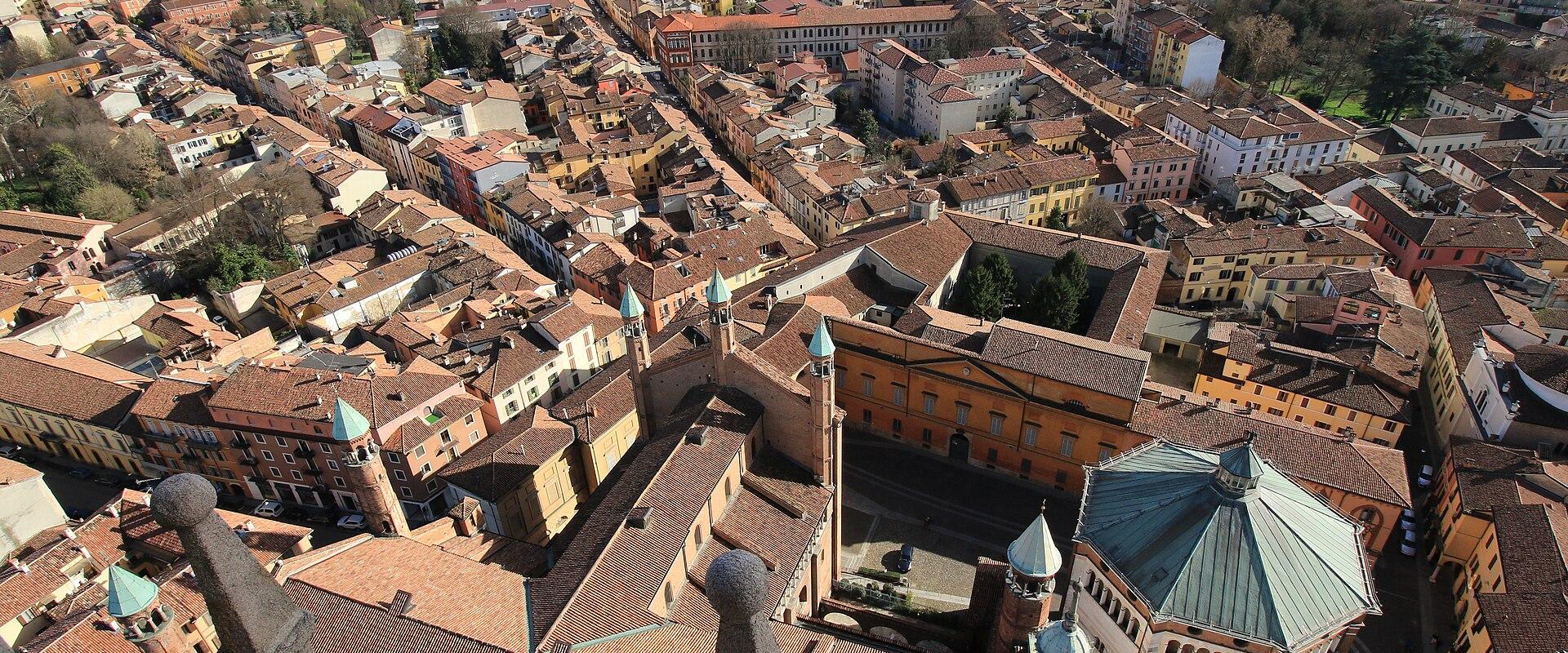
Cremona’s history dates back to pre-Roman times, with significant development during the Roman era when it was known as Cremona. The city flourished during the Middle Ages as a powerful commune, often in conflict with neighboring cities like Milan and Piacenza. In the 16th and 17th centuries, Cremona became the epicenter of violin making, a craft that elevated the city to international prominence. The workshops of the Stradivari and Guarneri families produced instruments of unparalleled quality, which are still prized by musicians today. This musical heritage is deeply embedded in the city’s identity, with the craft passed down through generations. Cremona has preserved its historic center, featuring medieval towers, Renaissance palaces, and Baroque churches. The city was designated a UNESCO World Heritage Site in 2012 for its violin-making tradition and its historic center.
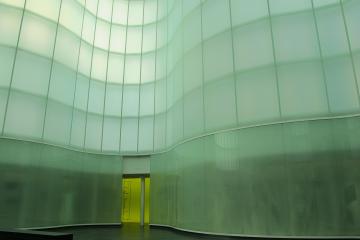
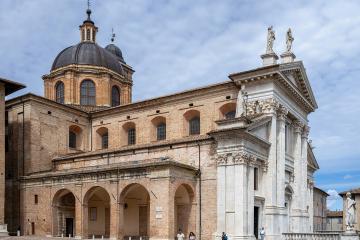
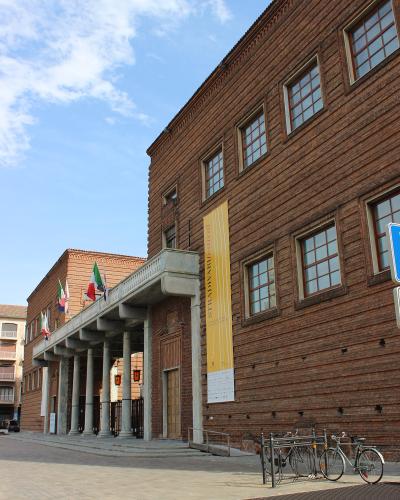
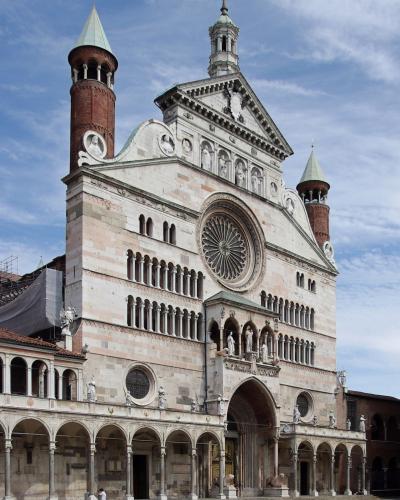
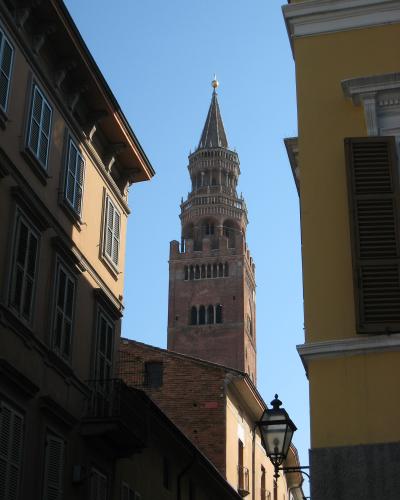
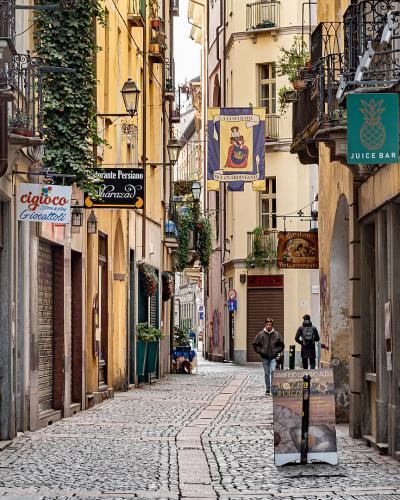
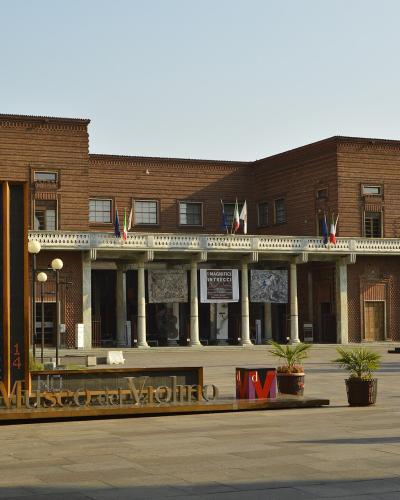
The main attractions in Cremona are centered around its musical heritage and medieval architecture. The Museo del Violino (Violin Museum) is a state-of-the-art facility that showcases the history of violin making, featuring instruments by Stradivari and Guarneri, as well as interactive exhibits on the craft. The Piazza del Comune is the heart of the city, dominated by the Torre del Mangia, a 112-meter-high medieval bell tower that offers panoramic views of the city and surrounding plains. The Cathedral of Cremona, with its Romanesque facade and Gothic interior, is a significant religious and architectural landmark. The Palazzo dell’Arengo, adjacent to the cathedral, houses civic museums and art collections. The city also boasts numerous workshops where visitors can observe master luthiers at work, creating and repairing violins using traditional techniques. The historic center is filled with narrow streets, lined with shops selling torrone, local wines, and artisanal products.
Activities in Cremona include visiting the violin museum, attending concerts, and exploring the historic center. The city is known for its traditional Lombard cuisine, including risotto, ossobuco, and especially torrone, a nougat made with honey, sugar, egg whites, and nuts. Visitors can take guided tours to learn about the history of violin making and the city’s medieval past. The surrounding Po Valley offers opportunities for cycling and nature walks, with access to the Po River parks. Cremona also hosts various festivals and events throughout the year, including the Cremona Festival and the Torrone Festival. Shopping includes local ceramics, textiles, and food products. For those interested in history, guided tours are available to explore the city’s Roman and medieval heritage.
Getting to Cremona is convenient via rail and road. The city is well-connected by train from Milan, with frequent services taking approximately 1 hour. Cremona has a railway station in the city center. For those traveling by car, the A21 and A22 motorways provide easy access from Milan and Brescia. The nearest airport is Milan Malpensa, located about 100 kilometers away. The best time to visit Cremona is from April to June or September to October, when the weather is mild and pleasant, ideal for exploring the outdoor attractions and historic sites. July and August are peak tourist months, with higher temperatures and larger crowds. Winter is cold but offers a quieter experience, with the city’s museums and indoor concerts providing cultural entertainment. Despite the seasonal variations, Cremona’s rich musical heritage and architectural beauty make it a rewarding destination year-round.
Best Time to Visit
Visit between April and June or September and October for mild temperatures and fewer crowds.
Did you know?
Interesting, verified facts about Cremona
Cremona Has Another Verifiable Detail
Food & DrinkCremona serves as a premier tourism destination for music enthusiasts, history buffs, and food lovers, particularly those interested in the region's famous torrone (nougat).
Source: Cremona - A place to playCremona Has a Notable Birthplace Story
Notable PersonIt is globally renowned as the birthplace of the modern violin, a craft that has been perfected here for centuries by master luthiers such as Stradivari, Guarneri, and Amati.
Source: Traditional violin craftsmanship in Cremona - WikipediaPlan Your Visit to Cremona
Essential travel tips and information for your trip to Cremona.
Suggested Itineraries
One Day in Cremona
1 dayExplore Cremona's historic center, violin heritage, and architectur...
View ItineraryTravel Tips
Currency
EUR • Cards widely accepted
Language
Italian • English in tourist areas
WiFi
Free WiFi in cafes and hotels
Explore Cremona by Interest
Discover attractions and experiences in Cremona organized by your interests and travel preferences.
All attractions in Cremona
Sorted by our recommendation score
Quick Facts
Book your stay
Frequently Asked Questions
More destinations in Lombardy
Explore other amazing places in the Lombardy region