







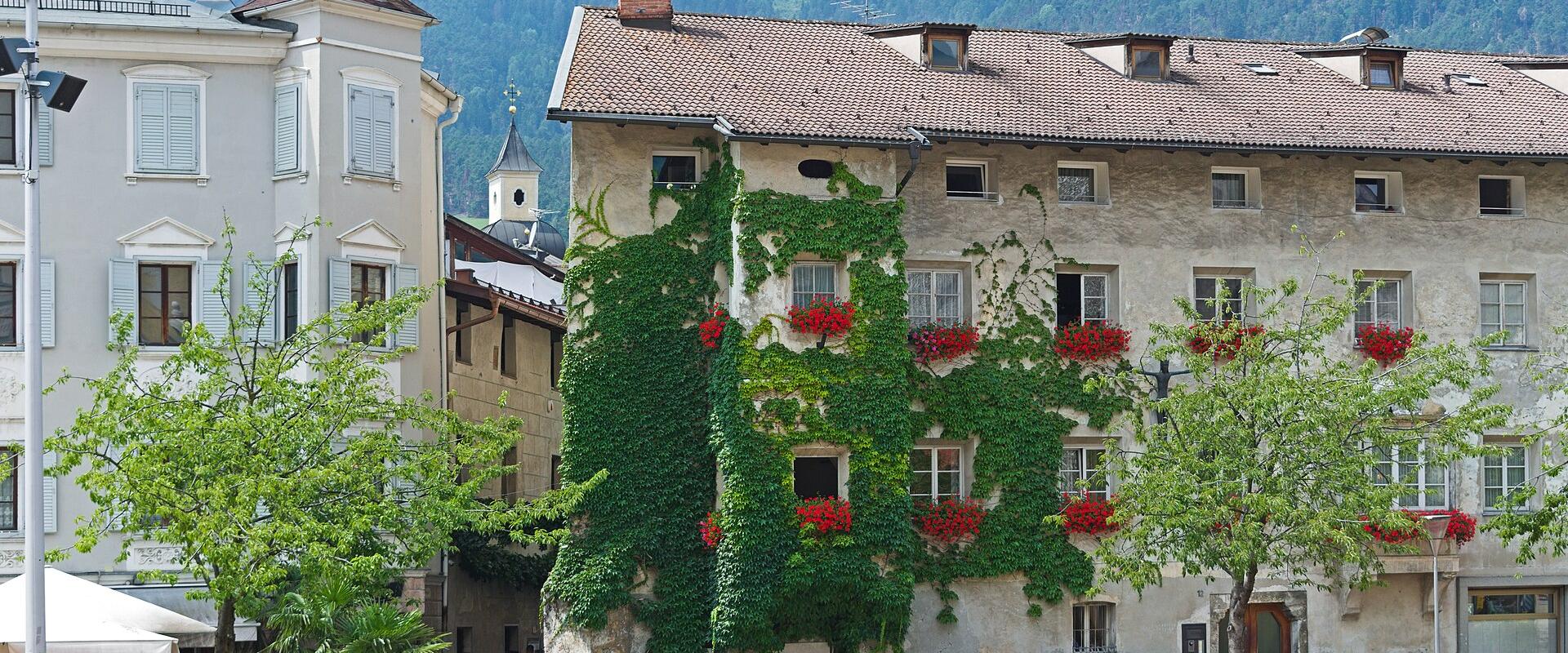
Bressanone
South Tyrolean town with medieval bishop's palace and cathedral
Bressanone’s history is deeply rooted in its role as a spiritual and political centre. The town was founded by the Romans, and the Prince-Bishops of Brixen held it from the 11th century, though the see was already important in the 10th century. The bishops held significant secular power and ruled the region until the early 19th century, which left a lasting imprint on the town’s architecture and governance. The cathedral, begun in the Middle Ages, is among the oldest and most important religious buildings in the region. The town also played a part in the Investiture Controversy, the major conflict between the Holy Roman Emperor and the Pope: in 1080 a synod held here supported the emperor against Pope Gregory VII. A later bishop of Brixen was the philosopher Nicholas of Cusa. After the fall of the Prince-Bishopric, Bressanone became part of the Habsburg Empire and later Italy, keeping its bilingual character and cultural traditions. Today the town preserves its historic centre, with narrow streets, medieval towers, and Baroque palaces, reflecting its layered past as a bishopric and Alpine hub.
The main attractions are centred on the cathedral and the historic centre. Bressanone Cathedral (Duomo di Bressanone), the Cathedral of Santa Maria Assunta, has a Baroque interior and a Romanesque and Gothic past, with a cloister whose walls are covered in Gothic frescoes. The Bishop’s Palace (Hofburg), next to the cathedral, is a large Renaissance and Baroque residence with a fine courtyard, and it houses the Diocesan Museum (Diözesanmuseum), known for its collection of Nativity scenes and religious art. The historic centre is pedestrian-friendly, with narrow streets lined with artisan shops, cafes, and restaurants, and the Bressanone Old Town (Altstadt) repays slow walking. The Piazza del Duomo is the social centre of the town, surrounded by historic buildings and the cathedral. St. Michael's Church, the parish church, has a tall tower, and the Eisack River Promenade (the river is the Isarco in Italian) is a peaceful walk beside the water. The Galleria Civica, the Bressanone Art Gallery, shows temporary exhibitions in the arcades, and the weekly market, the Wochenmarkt, fills the old streets.
The surrounding area has access to the Dolomites, with hiking trails and ski resorts, including the Plose mountain above the town. The Isarco Valley is known for apple orchards and for white wines, and the Neustift Abbey, an Augustinian monastery with a famous library, lies just outside the town.
Activities in Bressanone include exploring the historic sites, visiting museums, and enjoying outdoor adventures. The town is known for traditional South Tyrolean cuisine, including knödel (dumplings), speck (cured ham), and local wines such as Sylvaner and Gewürztraminer. Visitors can take guided tours to learn about the history of the bishopric and the town’s medieval heritage. The surrounding area offers hiking, cycling, and skiing, with access to the nearby ski resorts of Alpe di Siusi and Val di Funes. Bressanone also hosts festivals and events through the year, including the Bressanone Festival and the Christmas Market. Shopping includes local ceramics, textiles, and food products. For those interested in history, guided tours explore the town’s religious and political heritage.
Getting to Bressanone is convenient by rail and road. The town is well connected by train from Bolzano, with frequent services taking about 30 minutes. By car, the A22 motorway provides easy access from Bolzano and the Brenner Pass. The nearest airport is Bolzano Airport, about 40 kilometres away.
The best time to visit Bressanone is from May to September for hiking and outdoor activities, or December for the Christmas Market. Winter offers skiing in the surrounding mountains, while summer is ideal for exploring the town and nearby valleys. Despite the seasonal variations, Bressanone’s rich cultural blend and natural beauty make it a rewarding destination year-round.
Best time to visit
Visit between May and September for hiking or December for the Christmas Market.
What to see in Bressanone
Our picks first.
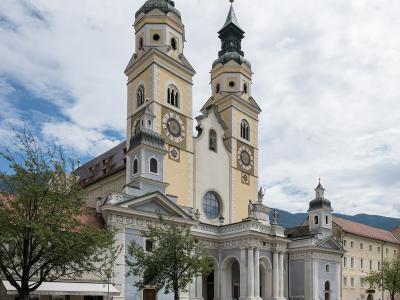
Bressanone Cathedral (Duomo di Bressanone)
Largest sacred building in Bressanone
Free Architectural Monuments · Historic Churches
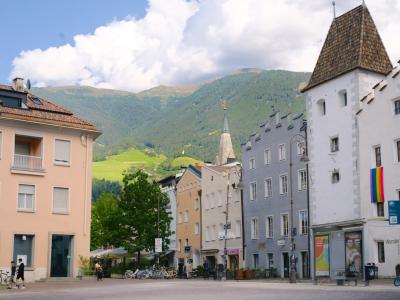
Bressanone Market (Wochenmarkt)
Weekly market in Bressanone selling local produce and goods
Free Food & Gastronomy · Urban Exploration
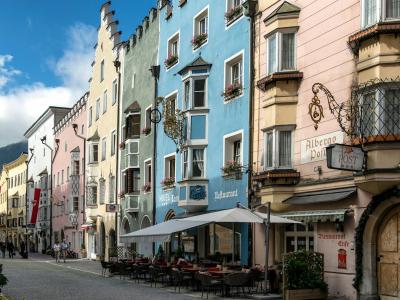
Bressanone Old Town (Altstadt)
Oldest Tyrolean city with Baroque and Gothic architecture
Architectural Monuments · Historic Districts
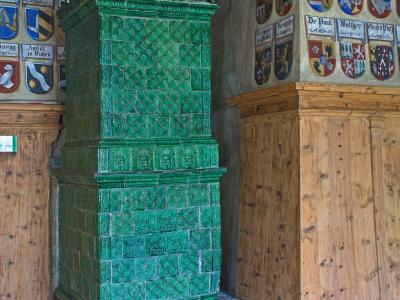
Diocesan Museum (Diözesanmuseum)
Historic Bishop's Palace housing Romanesque art and a Nat...
History & Heritage · Museums & Culture
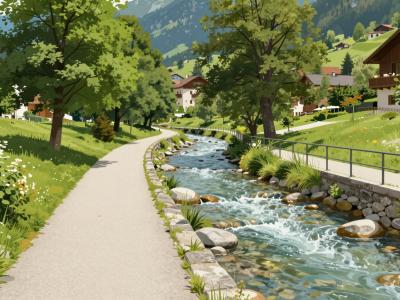
Eisack River Promenade
Scenic riverside walk near Bressanone's historic center
Free City Promenades · Historic Towns
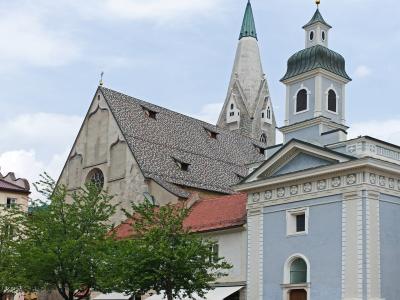
St. Michael's Church (Pfarrkirche St. Michael)
Late-Gothic granite church in Bressanone
Architectural Monuments · Historic Cemeteries
Bressanone by interest
The same sights, grouped by what you came for.
Planning a visit to Bressanone
Itineraries that include Bressanone
Good to know
- Currency
- EUR
- Language
- Italian
Quick Facts
Book your stay
Questions people ask
More places in Trentino-Alto Adige/South Tyrol
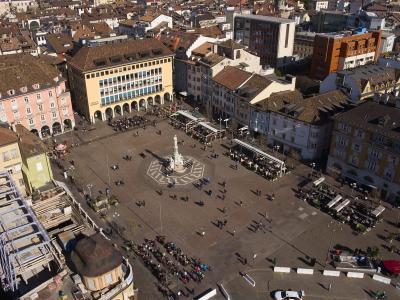
Trentino-Alto Adige/South Tyrol
Bolzano
South Tyrolean capital blending Alpine and Italian cultures in Dolomites
Trentino-Alto Adige/South Tyrol
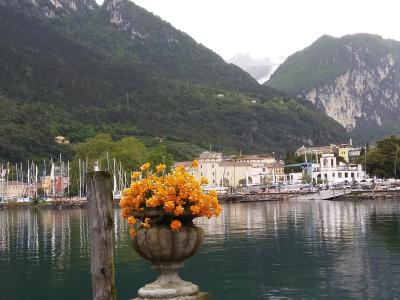
Riva Del Garda
Alpine lake town on Lake Garda known for windsurfing and medieval fortress
Trentino-Alto Adige/South Tyrol
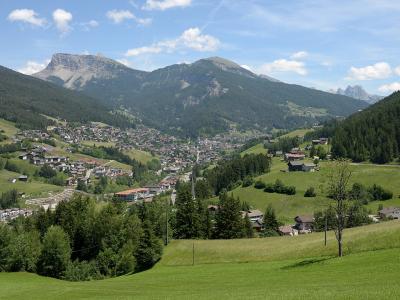
Ortisei
Ladin cultural hub in Val Gardena with UNESCO Dolomites access
Trentino-Alto Adige/South Tyrol
Madonna Di Campiglio
Alpine ski resort in Trentino with Brenta Dolomites views and elegance