







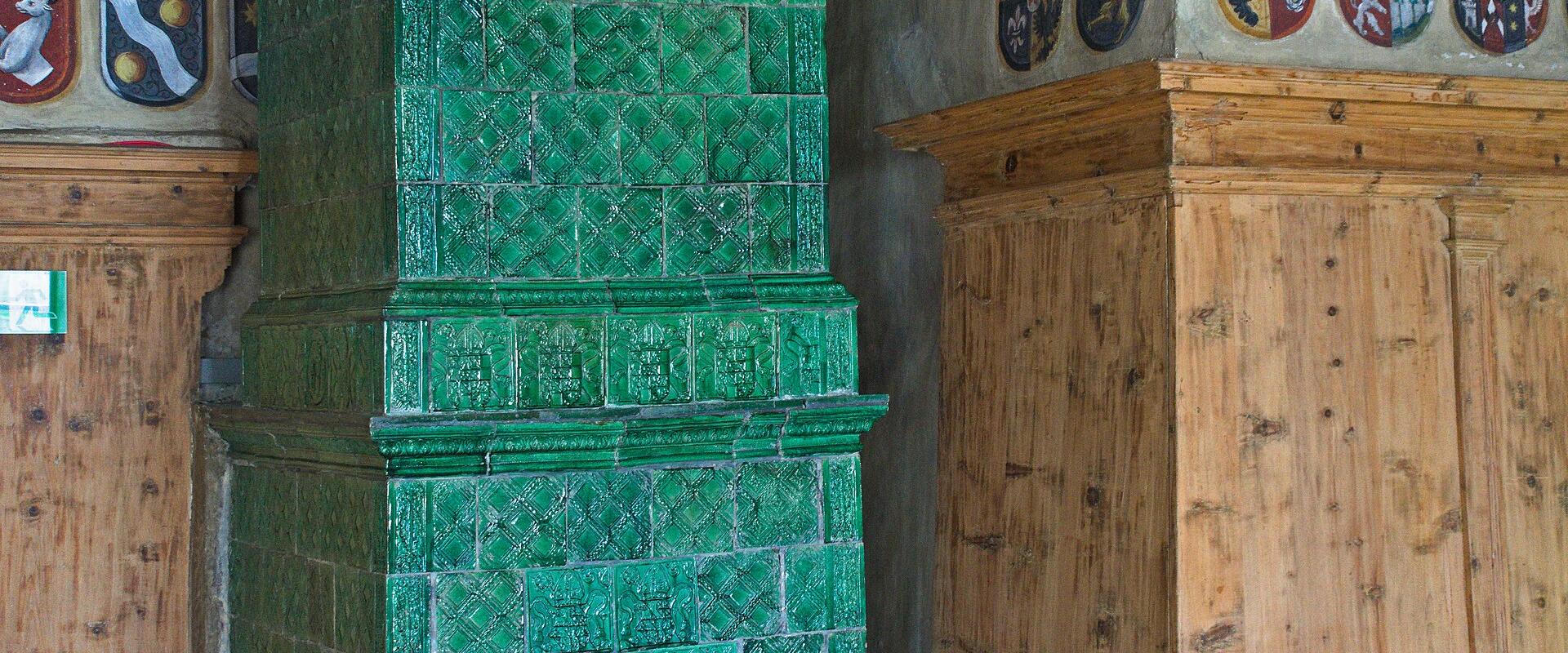
Diocesan Museum (Diözesanmuseum)
Historic Bishop's Palace housing Romanesque art and a Nat...
- Hours
- Open daily year-round, excluding Christmas and Easter Sunday
- Where
- Bressanone, Trentino-Alto Adige/South Tyrol
- Directions
- Directions
The Diocesan Museum (Diözesanmuseum) of Bressanone is housed in the Hofburg, the Bishop’s Palace, one of the most elegant buildings in South Tyrol and a symbol of the long period when Bressanone, or Brixen, was ruled by its Prince-Bishops, and is sometimes called the Prince-Bishops’ Castle. The palace was begun in the 13th century, around 1250, as a residence for the bishops, who lived in it until 1964, and over the centuries it was rebuilt several times. Its present form dates mostly from the 16th and 17th centuries, with a great arcaded courtyard in the Renaissance style, loggias on several floors and Baroque facades, and it ranks among the finest palaces of its type in the Alpine region. The surrounding Old Town and the Bressanone Cathedral are a short walk away.
The museum was opened in 1901, with the aim of rescuing church art that was at risk. At that time, many Romanesque and Gothic carvings and paintings in the Tyrolean churches were decaying or being replaced by new work, and the diocese began to collect them for safekeeping. The collection grew to cover Romanesque, Gothic, Baroque, Classicism and Romantic art, and it now includes sculptures, panel paintings, altarpieces, vestments and liturgical objects from the whole diocese. Notable works include carvings and paintings by Master Leonard of Bressanone, a major painter of the 15th century, and by Hans Klocker, a sculptor and carver of the late Gothic period, whose altarpieces are famous for their expressive faces and fine carving.
The museum is much more than a collection of religious art. The Hofburg itself is part of the visit, and visitors walk through the state rooms and apartments with their painted ceilings, stucco, tapestries and period furniture, and see the chapel and the great hall. The Cathedral Treasury, the Domschatz, displays the precious objects of the cathedral, including goldsmith work, reliquaries, chalices and richly embroidered vestments. The Nativity Museum, one of the finest collections of Christmas cribs in the Alpine area, shows scenes of the Nativity in many styles, from carved figures in wood to elaborate scenes with a whole village, and it is especially popular around Christmas.
The museum is open for much of the year, though it may close during part of the winter, and times and tickets change, so check before going. A visit usually takes between one and two hours. The palace is in the old town, a few minutes from the cathedral, the Pfarrkirche St. Michael and the Bressanone Market, and the Eisack River Promenade is also nearby. The Hofburg gardens, behind the palace, are an attractive place for a walk. The museum suits visitors interested in religious art, in the history of the prince-bishops and in the traditions of the Alps, and it offers a fascinating contrast to the more familiar Italian Renaissance museums.
Categories
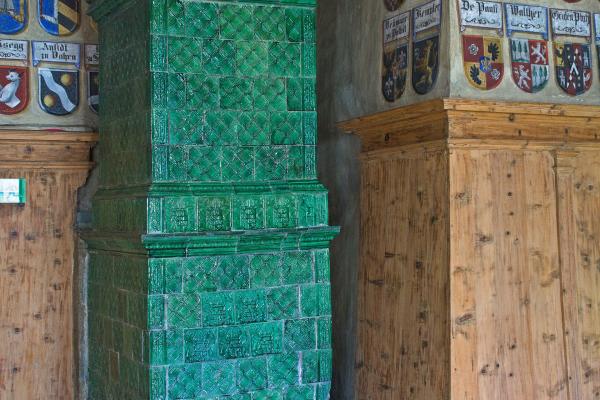
More photos coming soon
Opening Hours
- Open
- Open daily year-round, excluding Christmas and Easter Sunday
Hours and prices change, especially out of season. Check with the venue before you go.
Nearby Attractions
Other places to visit in Bressanone
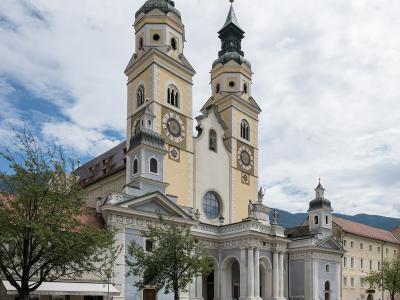
Bressanone Cathedral (Duomo di Bressanone)
Largest sacred building in Bressanone
Free Architectural Monuments · Historic Churches
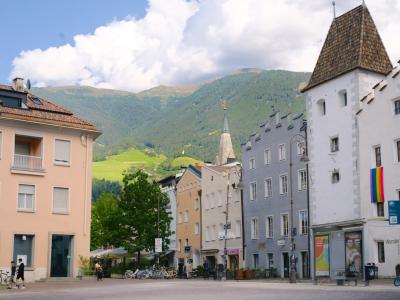
Bressanone Market (Wochenmarkt)
Weekly market in Bressanone selling local produce and goods
Free Food & Gastronomy · Urban Exploration
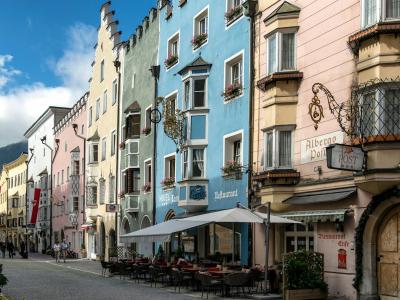
Bressanone Old Town (Altstadt)
Oldest Tyrolean city with Baroque and Gothic architecture
Architectural Monuments · Historic Districts
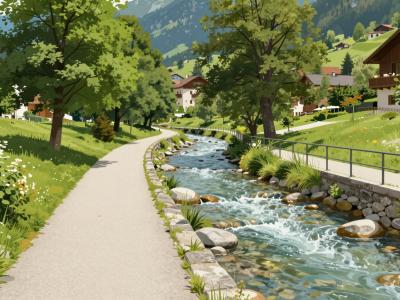
Eisack River Promenade
Scenic riverside walk near Bressanone's historic center
Free City Promenades · Historic Towns
Questions people ask
Quick Facts
Best Time to Visit
Visit between May and September for hiking or December for the Christmas Market.