







Victory Monument (Monumento alla Vittoria)
1928 Fascist monument, now a museum on Bolzano's two dictatorships
- Where
- Bolzano, Trentino-Alto Adige/South Tyrol
- Directions
- Directions
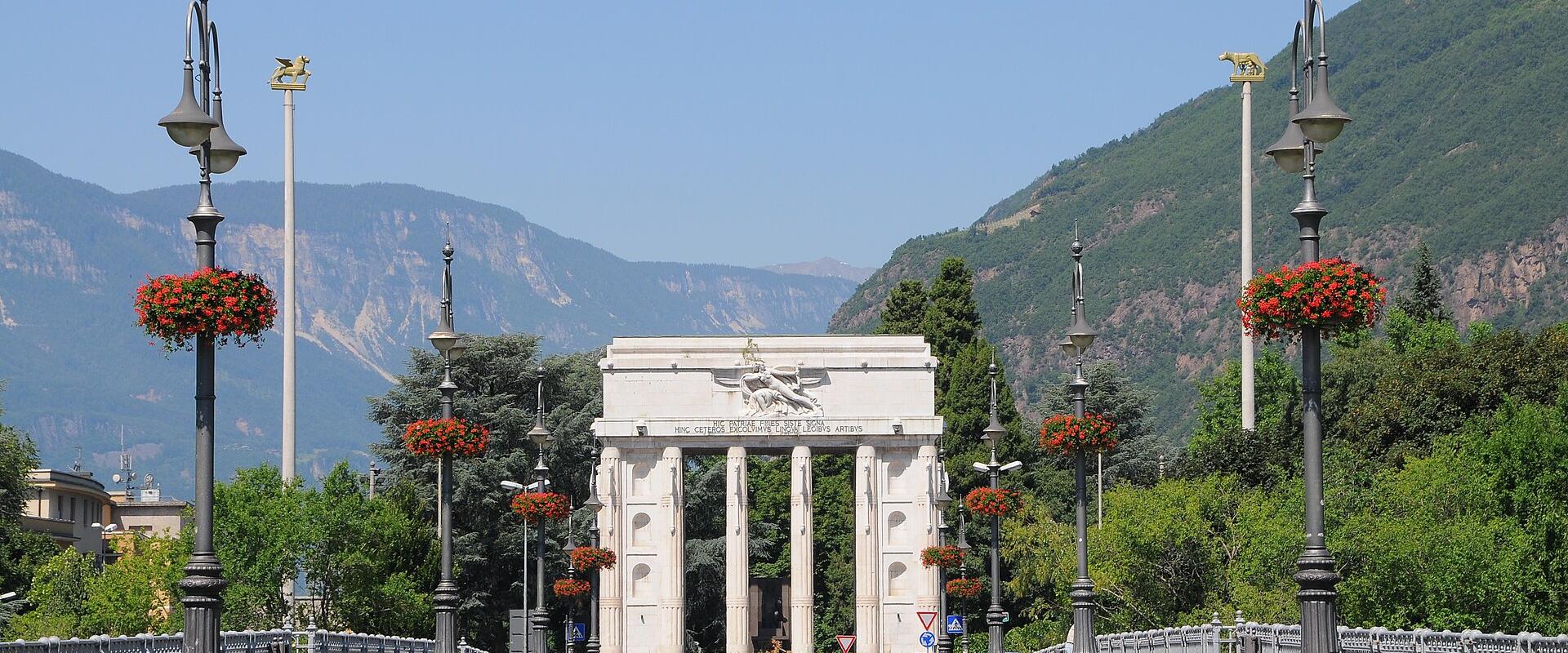
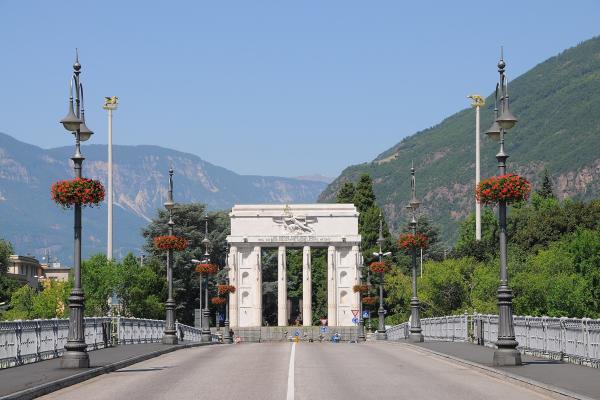
The Monumento alla Vittoria stands on Piazza della Vittoria, just west of the Talvera bridge, on the side of the river away from the old town. It was built between 1926 and 1928 to a design by Marcello Piacentini, the leading architect of the Fascist regime, on the site of an Austrian monument to the Kaiserjäger, the Tyrolean imperial infantry, which was demolished to make room for it. King Victor Emmanuel III attended the laying of the first stone on 12 July 1926, and the monument was inaugurated on 12 July 1928.
Mussolini first meant it to honour Cesare Battisti, the Trentino irredentist executed by Austria in 1916, but Battisti's widow and daughter objected, and it was dedicated to the Italian victory in the First World War instead. Piacentini designed a triumphal arch whose columns are shaped as fasces, the bundle of rods that was the regime's symbol. The sculptures came from leading artists of the time: Arturo Dazzi made the Victory archer on the pediment, Pietro Canonica the medallions on the back, Adolfo Wildt the busts of Battisti, Fabio Filzi and Damiano Chiesa inside, and Libero Andreotti the risen Christ above the altar.
The Latin inscription on the front, HIC PATRIAE FINES SISTE SIGNA, HINC CETEROS EXCOLUIMUS LINGUA LEGIBUS ARTIBUS, declares this the border of the fatherland and claims that from here the others were civilised through language, laws and arts. In a province where most people spoke German, the message was clear, and the monument has been contested ever since. A bomb damaged Wildt's busts in 1978. The square was renamed Piazza della Pace in 2001, but a referendum in 2002 restored the old name. In 2011 the Italian government and local authorities agreed to explain the monument rather than remove it.
The result is BZ '18-'45, a permanent exhibition in the rooms beneath the monument, opened in 2014 under the title one monument, one city, two dictatorships. It tells the history of Bolzano between 1918 and 1945, under Italian Fascism and then Nazi German occupation, through photographs, documents and film. It closed in early 2020 and reopened in autumn 2021.
The visit suits anyone interested in twentieth-century history, propaganda and the way a divided city deals with an awkward legacy. Seeing the arch from outside takes a few minutes; the exhibition below rewards an hour.
More photos coming soon
Nearby Attractions
Other places to visit in Bolzano
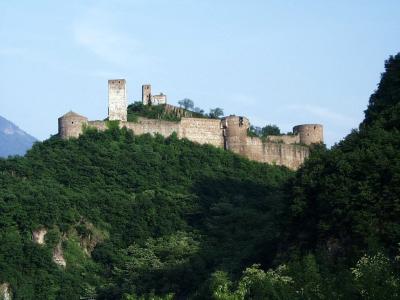
Castel Firmiano and Messner Mountain Museum Firmian
Castle ruin above Bolzano turned into Messner's mountain museum
Museums & Culture · Castles & Fortresses
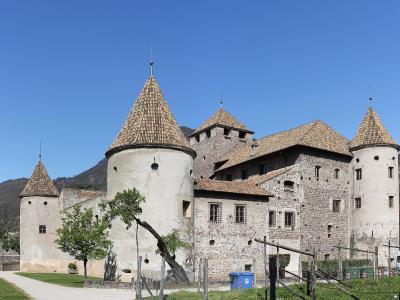
Castel Mareccio
Medieval castle among the vineyards of Bolzano
From €5 Architectural Monuments · Castles & Fortresses
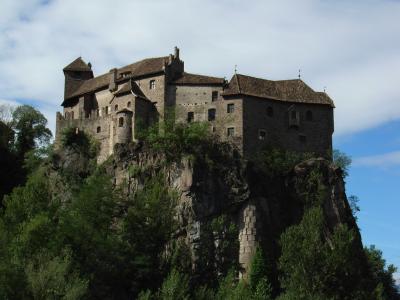
Castel Roncolo (Runkelstein Castle)
Clifftop castle with Europe's largest secular medieval frescoes
History & Heritage · Art Museums
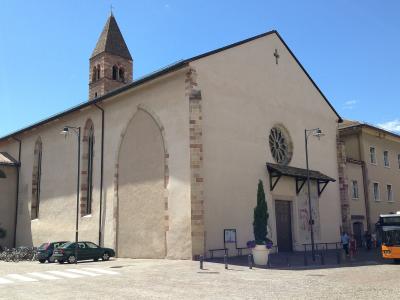
Dominican Church (Chiesa dei Domenicani)
Gothic friars' church with Giotto-school frescoes and a Guercino
Art Museums · Historic Churches
Questions people ask
Quick Facts
Best Time to Visit
Visit between May and September for hiking or December for the Christmas Market.