







Cloister of Paradise (Chiostro del Paradiso)
13th-century cloister with Arab-influenced pointed arches
- Hours
- 9:30 a.m. to 6:45 p.m.
- Where
- Amalfi, Campania and Amalfi Coast
- Directions
- Directions
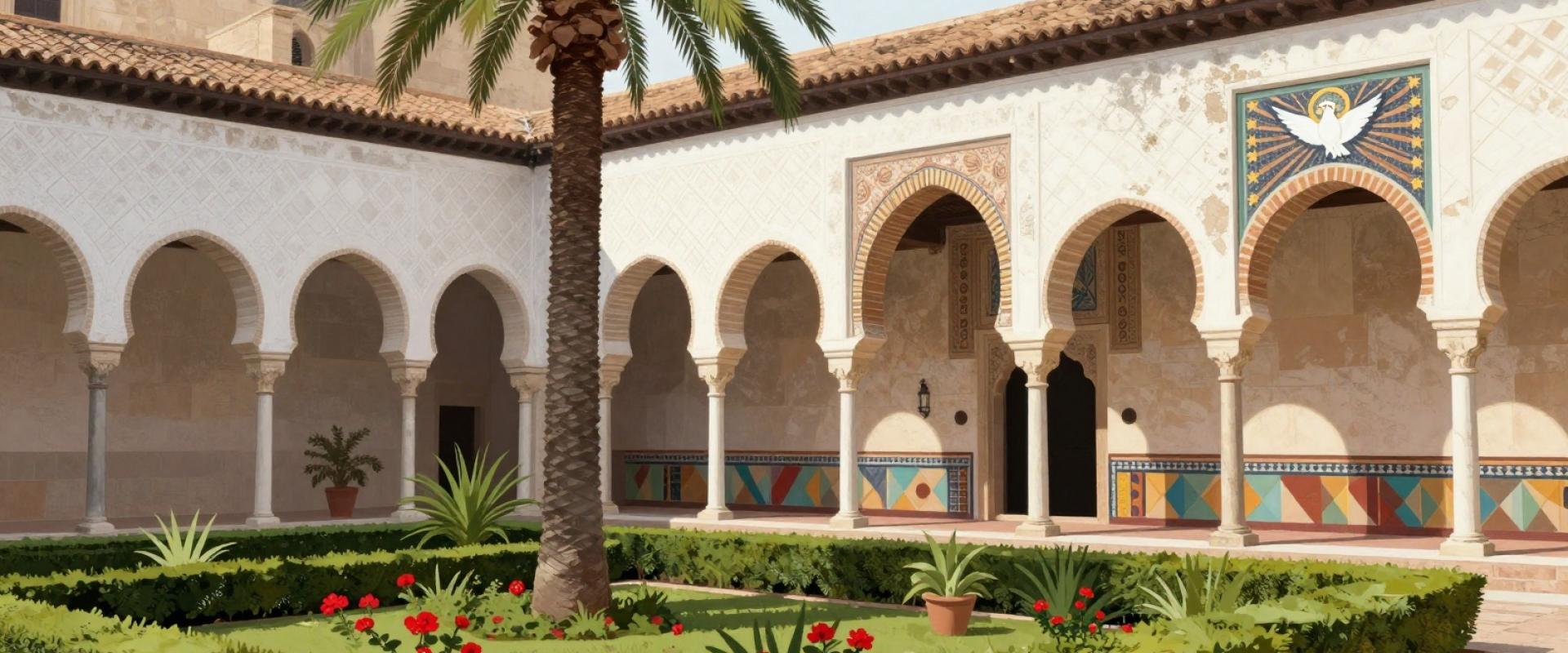
The Cloister, as the Chiostro del Paradiso is known in English, is a 13th-century cloister beside the cathedral of Amalfi, entered from the Piazza Duomo, and it is the most atmospheric corner of the cathedral complex. It was built between 1266 and 1268 by Bishop Filippo Augustariccio as a burial ground for the noble families of Amalfi, and the name Paradiso reflects the medieval idea of a cemetery as an anteroom of heaven. At that time, the town was already past its great period as a maritime republic that rivalled Pisa, Genoa and Venice, but it still had the wealth and pride to build a graceful monument for its leading families. The construction required part of the nearby Basilica del Crocifisso to be sacrificed, and the cloister now forms part of the cathedral museum.
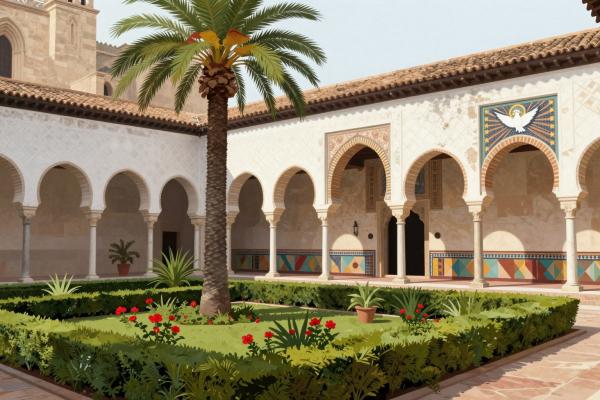
The cloister is a rectangle of slender arcades, with ninety or more pointed arches resting on pairs of slender white columns, some of them single and some paired, and an open garden in the centre planted with palms and flowers. The arches are interlaced and pointed, a form that clearly shows the influence of the Arab world on Amalfi, which traded across the Mediterranean with Sicily, North Africa and the Middle East, and the effect resembles courtyards in palaces of the Middle East. The play of light on the columns and the stillness of the garden make the space a calm retreat from the busy piazza outside, and it is especially lovely in the morning.
Along the walls, the cloister functions as an open-air museum. Roman and medieval sarcophagi are displayed in the galleries, many of them carved with reliefs of mythological and funerary scenes, together with inscriptions and fragments from the cathedral and the town. Some of the walls retain traces of frescoes, among them work associated with Roberto d’Odorisio, a 14th-century painter from Naples. A passage leads from the cloister to the Basilica del Crocifisso, an older church from the 9th or 10th century that now houses the museum’s treasures, and from there to the crypt of the cathedral, where the relics of Saint Andrew are kept.
The cloister is a ticketed visit, usually combined with the cathedral museum, and it is open for much of the day, though hours change with the season. It receives many visitors each year, so early morning or late afternoon gives a quieter experience. The visit takes about half an hour. The cloister is a few steps from the Cathedral of Saint Andrew (Duomo di Amalfi), and the Marina Grande Beach and the Amalfi Paper Artisan Workshops are a short walk away along the main street. It suits anyone in Italy interested in medieval architecture, in the cultural exchanges of the Mediterranean, or in a quiet pause on the Amalfi Coast.
More photos coming soon
Opening Hours
- Open
- 9:30 a.m. to 6:45 p.m.
Hours and prices change, especially out of season. Check with the venue before you go.
Nearby Attractions
Other places to visit in Amalfi
Amalfi Paper Artisan Workshops
Historic paper museum with hands-on workshops
History & Heritage · Museums & Culture
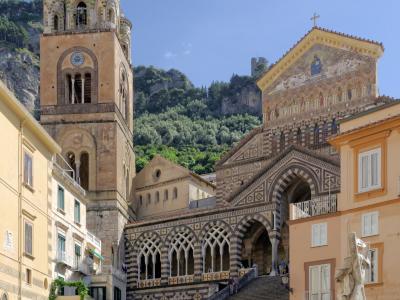
Cathedral of Saint Andrew (Duomo di Amalfi)
Medieval cathedral housing Saint Andrew's relics
Architectural Monuments · Historic Churches
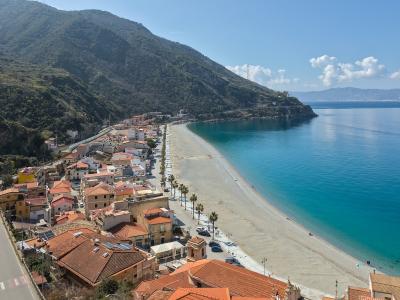
Marina Grande Beach
Historic pebble beach overlooking Amalfi's center
Beaches · Water Sports
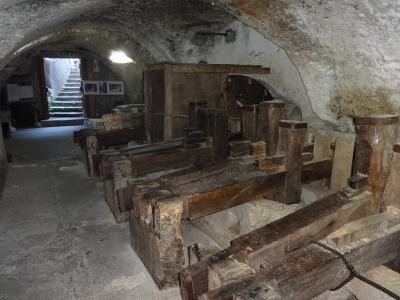
Paper Museum (Museo della Carta)
Historic paper mill museum in Amalfi's Valle dei Mulini
History & Heritage · Museums & Culture
Questions people ask
Quick Facts
Best Time to Visit
Visit between April and June or September and October for mild temperatures and fewer crowds.