

Whispers of Gold in the Uffizi
The Uffizi Gallery is a labyrinth of Renaissance history, and attempting to consume it all in one visit is a recipe for exhaustion, particularly for children. Rather than treating the museum as a checklist to be conquered, adopt a strategy of deep engagement with just three or four key masterpieces. Pre-booking your tickets online is not merely a logistical convenience; it is a strategic move to bypass the serpentine queues that often stretch around the block, buying back precious hours for what truly matters: the art itself.
Begin your exploration with Botticelli’s Birth of Venus. While the gallery spans centuries of history, this masterpiece resides in a central hall, serving as a logical anchor for your journey. Draw your children’s attention to the subtle gold leaf scattered in Venus’s hair and the background sky. This is not mere decoration; in Renaissance symbolism, gold signified divine light and the sacred nature of the subject, offering a tangible clue to the artist’s intent.
Shift your focus to the Madonna paintings nearby, specifically looking for the red lilies embroidered on the garments. In Florentine art, these flowers represent purity, a thematic thread that connects centuries of work. Turn this observation into a visual scavenger hunt. Instead of delivering a lecture, ask your children to find every lily they can spot. This gamification transforms passive viewing into active discovery, keeping young minds engaged without overwhelming them.
Time is your most valuable currency here. Aim for a focused forty-five-minute session. Young eyes struggle to maintain focus in such a grand, dense space, and fatigue sets in quickly. Pack small, quiet snacks and plan a brief rest near the courtyard when energy levels dip. Remember, the galleries demand silence, so whisper your observations to keep the magic alive and respectful of other visitors.
This structured approach respects both the gravity of the art and the limits of your family’s patience. You will discover that an intimate, focused experience leaves a far deeper impression than a hurried sprint through every room.
The March to Michelangelo’s Giant
Arrive at the Accademia Gallery precisely at 8:15 AM. This specific timing allows you to secure a moment of tranquility before the tour buses arrive and the crowds thicken. Michelangelo’s David dominates the gallery, revealing every tense muscle fiber and visible vein with startling clarity. This early start ensures you can absorb the sculpture’s imposing scale without the usual crush of bodies obstructing your view.
Rather than rushing through a checklist of sights, prioritize a deep, focused appreciation of this single work. Children are often fascinated by the anatomical precision, turning what could be a dry history lesson into a tangible discovery of human capability. The sheer realism invites questions about the sculptor’s technique and the physical demands of carving marble by hand.
Plan a leisurely lunch nearby to recharge. This pause is essential, ensuring the rest of your day remains energetic rather than sluggish. By adopting a deliberate pace, you transform a standard museum visit into a memorable family experience. Let the art speak for itself, and enjoy your time in Florence without the pressure of a ticking clock.
Digital Companions for Little Learners
The Accademia Gallery’s official app can transform a potentially overwhelming visit into a manageable adventure. Instead of wandering aimlessly through the corridors, families can use the interactive maps to navigate the museum’s layout with confidence. These digital tools provide the backstory behind Michelangelo’s David, helping children understand the sculptor’s struggle and vision rather than just viewing a static statue.
Encourage your children to take their own photos. This act fosters a personal connection to the art, turning passive observation into active engagement. They might frame a shot differently than an adult would, focusing on texture or light in ways that reveal new details. These digital aids ensure that the journey feels less like a chore and more like a discovery.
While the walk to the Duomo complex is approximately 1.2 kilometers, the app’s clear directions and engaging content keep little ones focused on the masterpieces rather than the distance. With these resources, your family stays oriented and interested, turning a standard museum trip into an educational journey they will genuinely remember.
Your Family’s Art Adventure Checklist
Preparation is the difference between a chaotic tourist rush and a seamless adventure. Pack high-energy snacks and refillable water bottles to keep little legs moving. Save your museum tickets to your phone’s digital wallet to avoid standing in long queues under the Florentine sun. Keep a small sketchbook and a pencil handy, allowing children to draw their favorite details rather than just staring.
Start your morning at the Accademia Gallery to witness Michelangelo’s David. The sheer scale of the marble statue often leaves families speechless, creating a shared moment of awe. From there, take a leisurely twenty-minute stroll toward the Duomo complex. This 1.2-kilometer walk offers a chance to stretch legs and spot architectural gems along the way, bridging the gap between museums.
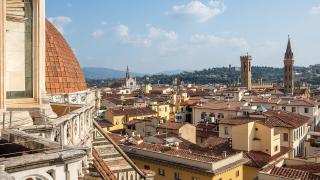
The route leads directly to Giotto’s Campanile, part of the Duomo complex. Climbing the 463 steps provides a physical challenge that kids often embrace as a game. The view from the top rewards the effort with a panoramic perspective of Florence’s red roofs and terracotta tiles, offering a sense of accomplishment that fuels the rest of the day.
Maintain a flexible schedule. Museums can be overwhelming for young attention spans, so prioritize one or two key pieces over rushing through everything. Let curiosity guide your pace rather than a rigid timer. You will find that slowing down reveals the city’s true character. Children often notice textures and colors that adults overlook, creating a stronger bond than any guided tour ever could.
Pack a light jacket for the stair climb, as the wind can be brisk at the top. Bring a camera, but encourage your kids to take their own photos of interesting shadows or faces. These personal snapshots become cherished keepsakes long after the trip ends.
Enjoy the simple joy of eating gelato near the Ponte Vecchio. It serves as a perfect reward for a morning of walking and looking. Share a flavor and discuss the most surprising thing you saw that day. This itinerary balances active exploration with artistic appreciation, respecting the energy levels of children while honoring the gravity of the art. You are not just visiting museums; you are building a shared history.
Have you considered which museum will spark the most conversation in your family?