







Ponte del Diavolo (Devil's Bridge)
Asymmetrical stone arch bridge spanning the Natisone River
- Where
- Cividale Del Friuli, Friuli Venezia Giulia
- Directions
- Directions
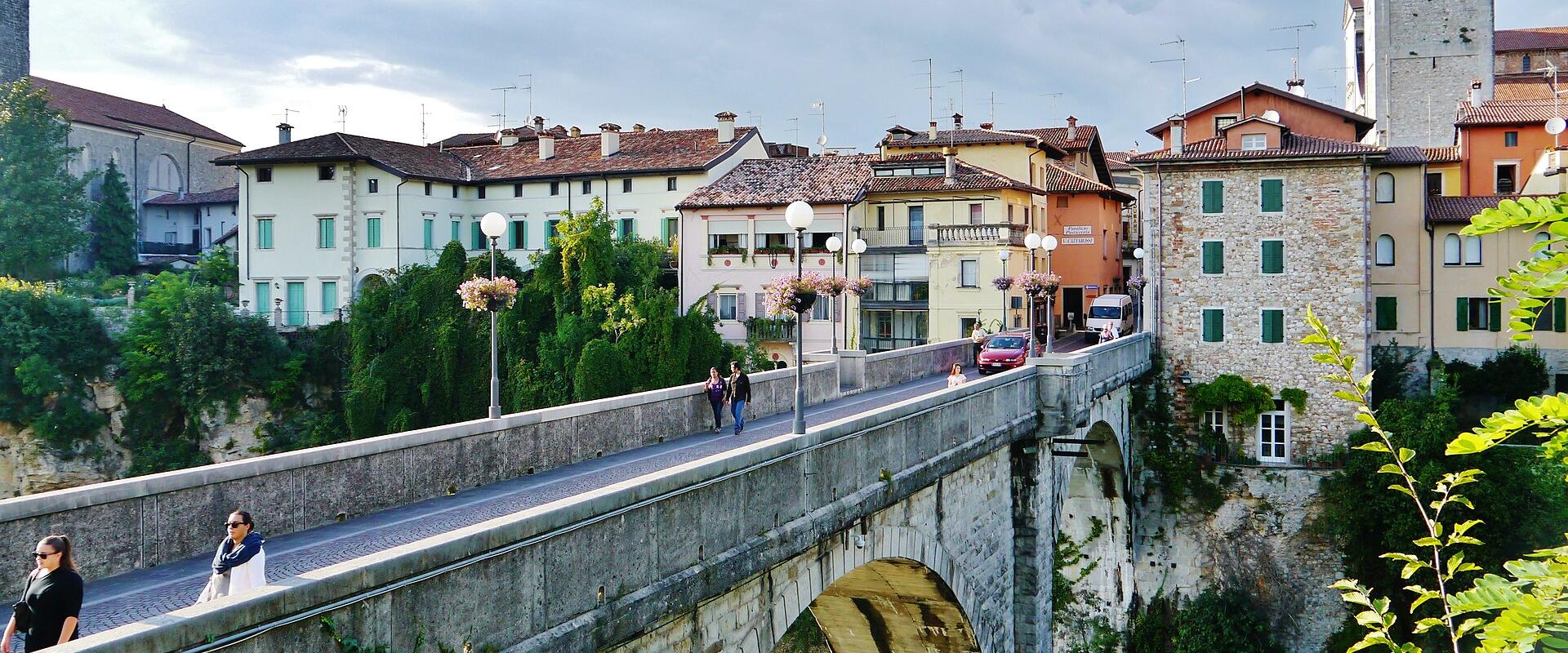
The Ponte del Diavolo, the Devil's Bridge, in Cividale del Friuli is a historic stone arch bridge and the symbolic landmark of the city, crossing the gorge of the Natisone River in the middle of the old town. A wooden bridge had long stood on the spot, but it was frequently destroyed by floods and war, so the people of Cividale decided to replace it with a bridge of stone. Built between 1442 and the early 16th century, the structure was designed by Iacopo da Bissone, who was contracted in 1441, and completed under his collaborator Erardo da Villaco, in the period when Cividale belonged to the Republic of Venice.
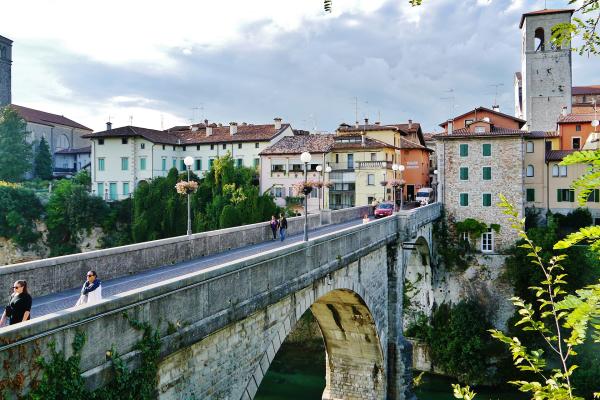
The bridge is a striking piece of engineering. It spans the Natisone with an asymmetrical design, with two unequal arches measuring 22 meters and 19 meters, which are supported by three pillars, with the central pillar resting on a natural rock in the riverbed, a clever solution that gave it a firm base in the middle of the stream. The structure is 48 meters long, 3.60 meters wide and 22.5 meters high, constructed from stone and concrete, the latter reflecting its repair after the damage of the 20th century. The roadway is narrow, and the parapets are low, which gives walkers a view straight down into the green waters of the gorge.
The name comes from a legend. According to the story, the people of Cividale, unable to build a bridge, struck a deal with the devil, who promised to build it in one night in return for the soul of the first person to cross. The devil kept his side of the bargain, but the townspeople outwitted him by sending an animal, said to be a dog, across first, so that the devil got nothing, and he disappeared in a rage. There are different versions of the story, but they all highlight the audacity of the structure, which seemed beyond human skill. A small shrine at the end of the bridge is associated with this tale.
The bridge has suffered in modern times: it was destroyed in the First World War, in the retreat of 1917, and was rebuilt in the years after, using the original stones where possible. Today it is one of the best-known images of Friuli, and many people walk across it as part of a visit to the town. As an open-air monument, the bridge has no opening hours or admission fees and is accessible to the public at all times. It is a key visual anchor for visitors exploring Cividale del Friuli.
Walking across the Ponte del Diavolo offers a tangible connection to the medieval engineering and history of the Friuli-Venezia Giulia region. It is an essential stop to appreciate the architectural heritage of the area. The combination of historical significance and scenic views over the river makes it a memorable destination. The best views are from the riverbank below and from the terraces of the cafes nearby, and the bridge is lit at night. It complements visits to other landmarks in Cividale, such as the Lombard Museum and the Church of Santa Maria in Valle, the Lombard Temple, a short walk upstream, providing a view of the town’s cultural identity.
Categories
More photos coming soon
Nearby Attractions
Other places to visit in Cividale Del Friuli
Duomo di Cividale (Cividale Cathedral)
Venetian Gothic and Renaissance cathedral
Architectural Monuments · Historic Churches
Lombard Museum (Museo Archeologico Nazionale)
National Archaeological Museum with over 500 Lombard tombs
History & Heritage · Archaeological Museums
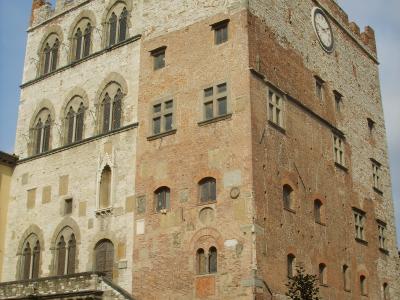
Palazzo dei Provveditori Veneti
Palladian palace housing the National Archaeological Museum
History & Heritage · Museums & Culture
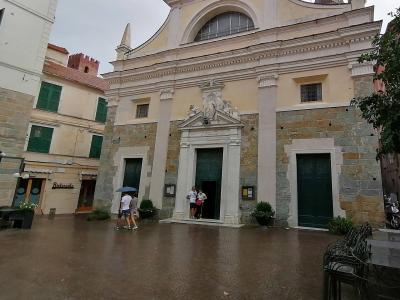
Piazza della Cattedrale
15th-century Venetian Gothic cathedral
Historic Churches · Historic Districts
Questions people ask
Quick Facts
Best Time to Visit
Visit between April and June or September and October for mild temperatures and fewer crowds.