







- Where
- Cividale Del Friuli, Friuli Venezia Giulia
- Directions
- Directions
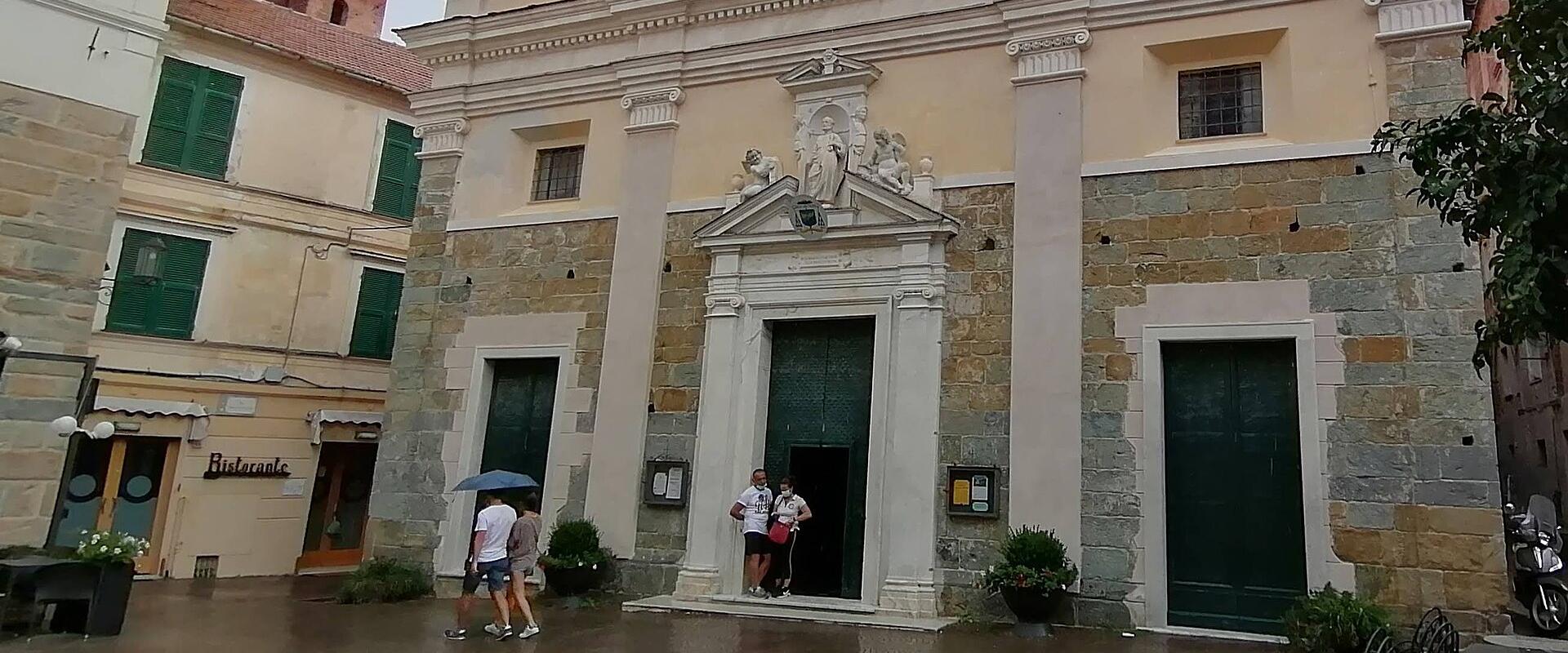
Piazza della Cattedrale in Cividale del Friuli is the historic center of the town, dominated by the Duomo di Santa Maria Assunta, on the square that is also called Piazza Paolo Diacono, in honor of the Lombard historian born in Cividale in the 8th century, the author of the History of the Lombards. This cathedral is a minor basilica, collegiate church and archpriestly church located in the province of Udine. The current structure features a mixed Gothic-Venetian and Renaissance style. The original church dates back to the 8th century, commissioned by Patriarch Callisto. It suffered severe damage from earthquakes in 1348 and 1364. Reconstruction began in the mid-15th century under architect Bartolomeo delle Cisterne in the Venetian Gothic style. After a partial collapse in 1502 due to a column failure, Pietro Lombardo took over, completing the current structure. Significant internal renovations were conducted in the late 18th century by architects Giorgio Massari and Bernardino Maccaruzzi. The church was consecrated in 1529.
The square is the stage on which the architecture of the church is seen. It is a calm, paved space, bordered on one side by the plain, wide facade of the Duomo, with its Renaissance portal, and on another by the Palazzo dei Provveditori Veneti, the Venetian governors’ palace, built in the 16th century to a design that is attributed to Andrea Palladio, which houses the National Archaeological Museum. A bronze statue of Julius Caesar, the founder of the town, which was named Forum Iulii after him, stands at the side of the square, as a reminder of its Roman beginnings. Terraced cafes along the edge give a place to sit, and the lanes of the old town branch off in several directions.
As an open public square, Piazza della Cattedrale has no opening hours or admission fees. However, access to the cathedral itself may be restricted during mass times or require a ticket for the museum. The cathedral’s museum, the Museo Cristiano, which houses the Altar of Ratchis, an 8th-century Lombard carved altar, and the Baptistery of Callixtus, can be visited next to the church. It is advisable to check local tourism resources for current schedules, since opening hours vary and the interiors are closed at midday in some seasons.
Exploring the piazza offers insight into Cividale’s medieval and Renaissance heritage. It is an essential stop to appreciate the region’s architectural legacy. The combination of historical depth and artistic beauty makes it a memorable destination. It complements visits to other landmarks in Cividale, such as the Lombard Temple and the National Museum, providing a view of the city’s identity. Visitors are advised to take their time to admire the facade and the surrounding historic buildings.
The square is also the best starting point for a walk through Cividale. A few minutes’ walk from it, the Devil’s Bridge crosses the Natisone gorge, and from there, a path leads to the Lombard Temple, the small 8th-century oratory on the cliff, with its stucco figures of saintly women. On Epiphany in January, a traditional ceremony called the Messa dello Spadone, the Mass of the Sword, takes place in the cathedral, in a ritual that goes back to the Middle Ages.
Categories
More photos coming soon
Nearby Attractions
Other places to visit in Cividale Del Friuli
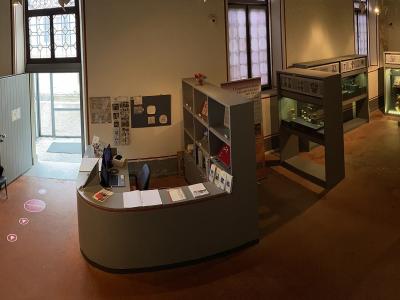
Duomo di Cividale (Cividale Cathedral)
Venetian Gothic and Renaissance cathedral
Architectural Monuments · Historic Churches
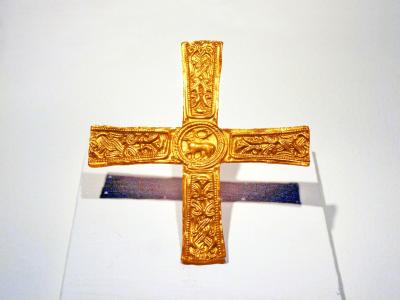
Lombard Museum (Museo Archeologico Nazionale)
National Archaeological Museum with over 500 Lombard tombs
History & Heritage · Archaeological Museums
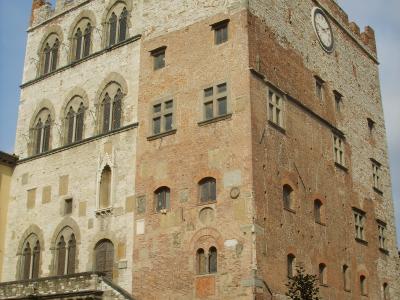
Palazzo dei Provveditori Veneti
Palladian palace housing the National Archaeological Museum
History & Heritage · Museums & Culture
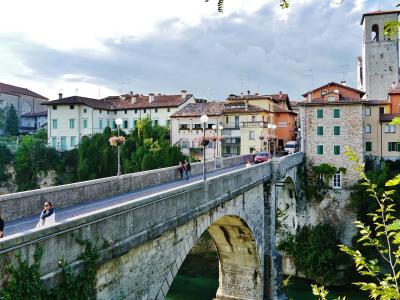
Ponte del Diavolo (Devil's Bridge)
Asymmetrical stone arch bridge spanning the Natisone River
Architectural Monuments · Historic Bridges
Questions people ask
Quick Facts
Best Time to Visit
Visit between April and June or September and October for mild temperatures and fewer crowds.