







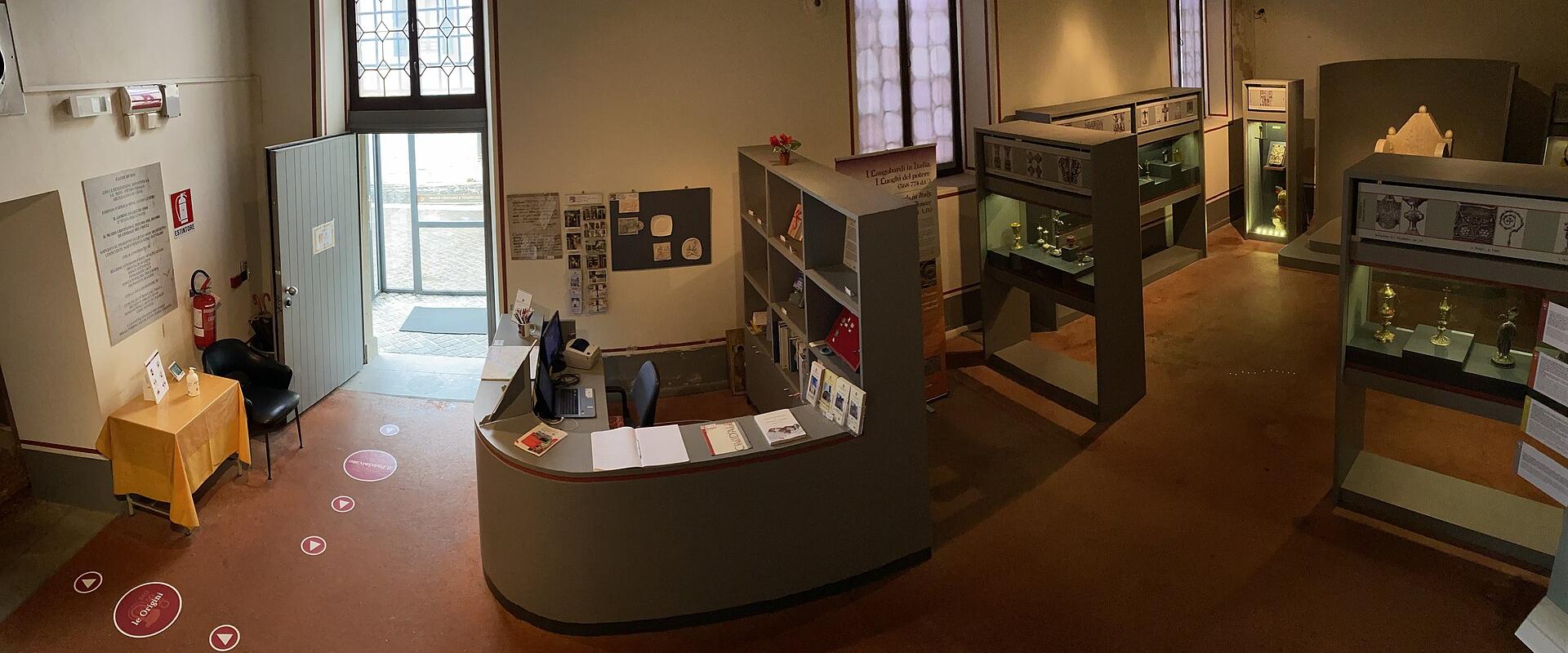
Duomo di Cividale (Cividale Cathedral)
Venetian Gothic and Renaissance cathedral
- Where
- Cividale Del Friuli, Friuli Venezia Giulia
- Directions
- Directions
The Duomo di Cividale, officially the Cathedral of Santa Maria Assunta, is the principal church of Cividale del Friuli and a minor basilica. Located in the province of Udine, it stands on the main square, Piazza Duomo, beside the Palazzo dei Provveditori Veneti, in a town that was the first capital of the Lombards in Italy, and it is a significant example of mixed Venetian Gothic and Renaissance architecture. The long, plain facade of pale stone has a Renaissance portal, and a tall bell tower stands beside it, so the exterior gives little hint of the treasures within.
The site’s history dates back to the 8th century, when the first church was commissioned by Patriarch Callisto, who moved the seat of the Patriarchs of Aquileia to Cividale and built a church worthy of the new residence. For centuries, Cividale was the home of the patriarchs, among the most powerful bishops in Europe, until the Republic of Venice took over Friuli in the 15th century. The structure suffered severe damage from earthquakes in 1348 and 1364, leading to major reconstruction efforts, as Friuli is an area of frequent seismic activity.
In the mid-15th century, Bartolomeo delle Cisterne was entrusted with rebuilding the church in the Venetian Gothic style. Construction stalled after his death in 1480, and a partial collapse occurred in 1502 due to a failing column. Pietro Lombardo, one of the leading architects of Renaissance Venice, subsequently rebuilt the current structure, blending Gothic and Renaissance elements, and the church was consecrated in 1529. An extensive internal renovation in the late 18th century was conducted by architects Giorgio Massari and Bernardino Maccaruzzi, further shaping its interior appearance. As a result, the nave has the lofty, airy proportions of Venetian Baroque churches, with light stucco decoration, and the chapels hold altars of various periods.
The most precious object is the Pala di Pellegrino II, a silver-gilt altarpiece made in the 12th century for the Patriarch Pellegrino II, covered with figures in relief and decoration, a rare example of medieval goldsmith work and among the great treasures of Friuli. The cathedral’s adjoining museum, the Museo Cristiano, displays the Altar of Ratchis, a carved stone altar of the 8th century that is a masterpiece of Lombard sculpture, and the Baptistery of Callixtus, an octagonal baptismal building of the same period. Both are within a few steps of the church.
It is advisable to check local tourism resources for current schedules, as access may be restricted during religious services. The experience of visiting the Duomo offers a deep appreciation of Friulian history and artistic evolution. The architectural details and historical layers provide context for the region’s complex past, from early Christian times through the Venetian Republic. The cathedral is a central landmark in Cividale, complementing visits to other nearby historical sites such as the Lombard Temple, the small 8th-century oratory on the hill above the river, and the National Archaeological Museum, with its Lombard collections. The Devil’s Bridge, crossing the Natisone river, is a short walk away.
Categories
More photos coming soon
Nearby Attractions
Other places to visit in Cividale Del Friuli
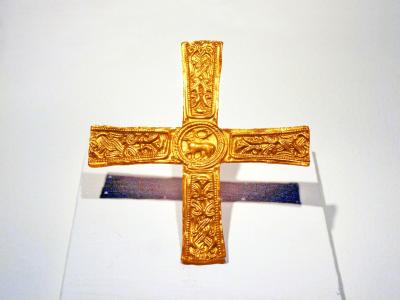
Lombard Museum (Museo Archeologico Nazionale)
National Archaeological Museum with over 500 Lombard tombs
History & Heritage · Archaeological Museums
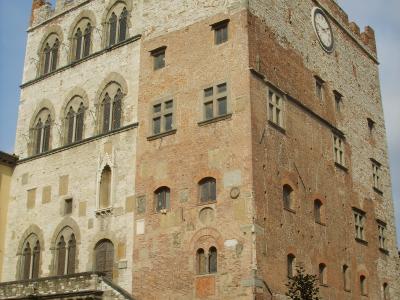
Palazzo dei Provveditori Veneti
Palladian palace housing the National Archaeological Museum
History & Heritage · Museums & Culture
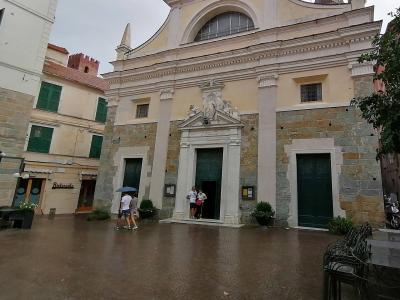
Piazza della Cattedrale
15th-century Venetian Gothic cathedral
Historic Churches · Historic Districts
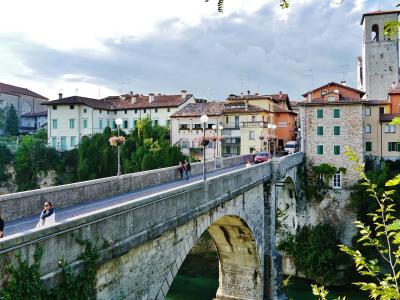
Ponte del Diavolo (Devil's Bridge)
Asymmetrical stone arch bridge spanning the Natisone River
Architectural Monuments · Historic Bridges
Questions people ask
Quick Facts
Best Time to Visit
Visit between April and June or September and October for mild temperatures and fewer crowds.