







- Where
- Pompeii, Campania and Amalfi Coast
- Directions
- Directions
The Archaeological Park of Oplonti is located near Torre Annunziata, on the coast between Naples and Pompeii, and comprises the ruins of the ancient city of Oplontis, which was buried by the eruption of Mount Vesuvius in 79 AD. It lies about halfway between Naples and Sorrento, only a short distance from Pompeii. Recognized as a UNESCO World Heritage site, as part of the archaeological areas of Pompeii, Herculaneum and Torre Annunziata, the park features two primary structures: the Villa of Poppaea and the Villa of Lucius Crassio Tertius. These are not part of a town in the usual sense but rich seaside properties, and they show how the Roman elite lived on this stretch of the Bay of Naples.
The Villa of Poppaea, dating to the 1st century BC, is known for its wine and oil production rooms and marble sculptures, and it is among the largest and best-preserved Roman villas in the area. It is thought to have belonged to Poppaea Sabina, the second wife of the emperor Nero, although the evidence is a matter of discussion. The villa was being renovated at the time of the eruption, so some rooms were empty and furniture had been removed, but the walls survive with wall paintings of exceptional quality, in the bright colors of the Second Pompeian style, including false architecture, columns, doors and baskets of fruit, and garden scenes. A large swimming pool, once surrounded by statues and trees, lay in the garden, and corridors and porticoes opened toward the sea, which at the time lapped close to the villa, before the eruption pushed the shoreline outward.
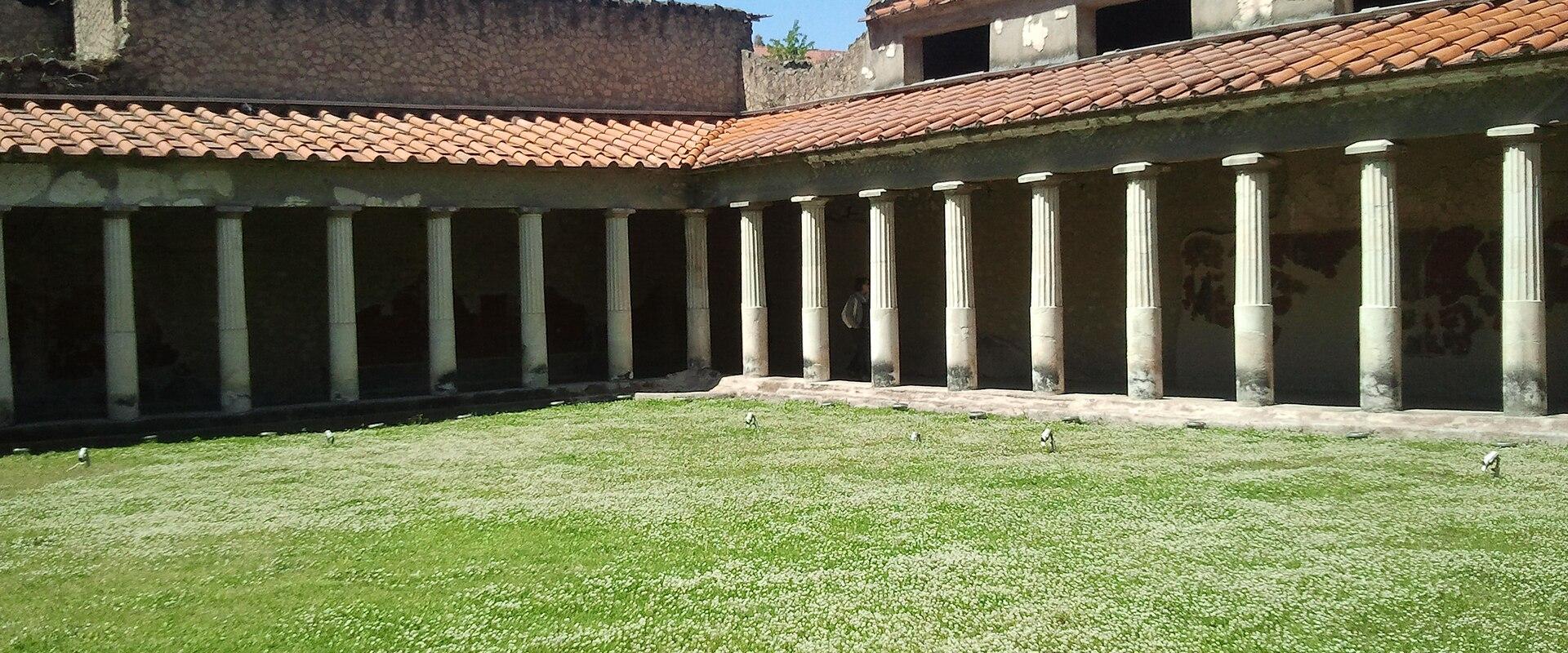
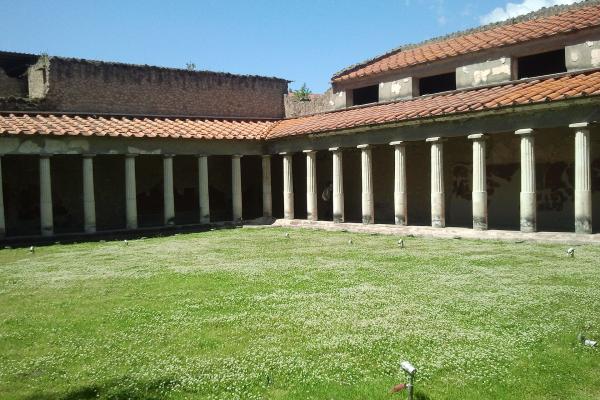
The Villa of Lucius Crassio Tertius, from the 2nd century BC, is distinguished by its Doric colonnade and archaeological finds such as ceramic utensils and over 400 amphorae. It seems to have been a commercial building, a large complex with a courtyard, storerooms and workshops, where wine, oil and other goods were stored for trade, and its rooms show a more practical side of Roman economic life than the luxury of the first villa. The name comes from an inscription found there. Among the finds are the remains of people who sought shelter in the rooms, which were found along with their possessions.
Visitors can explore the site independently or with a guide, gaining insight into the lives of Roman patricians who used these villas as holiday resorts. The park offers a tangible connection to the Roman era, showcasing the architectural and artistic achievements of the time. It is much quieter than Pompeii, so it is possible to walk the rooms in relative calm, and a visit usually takes about an hour and a half. Access is available by car via the A3 Napoli-Salerno highway or by Circumvesuviana train to the Torre Annunziata station, a short walk from the entrance.
It is advisable to check local tourism resources for current schedules, since opening times and ticket arrangements vary with the season and some rooms may be closed. Exploring Parco Archeologico di Oplonti provides a profound understanding of the impact of the Vesuvius eruption on Roman society. It is an essential stop to complement visits to Pompeii and Herculaneum, offering a comprehensive view of the region’s archaeological heritage. The combination of historical significance and artistic beauty makes it a memorable destination, and it is a rewarding stop for those who enjoy ancient painting and architecture.
Categories
More photos coming soon
Nearby Attractions
Other places to visit in Pompeii
Herculaneum Archaeological Park (Ercolano)
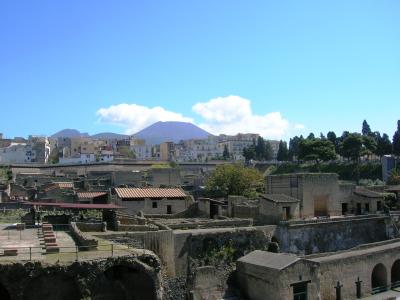
The best-preserved Roman town buried by Vesuvius
Ancient Ruins · Archaeological Museums
Pompeii Archaeological Park
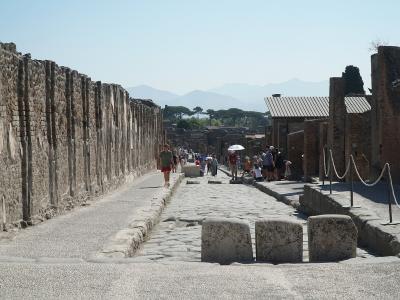
The Roman city frozen in time by the eruption of Vesuvius
Ancient Ruins · Archaeological Museums

Sanctuary of the Blessed Virgin of the Rosary of Pompei
The great Marian shrine at the heart of modern Pompei
Free Architectural Monuments · Historic Churches
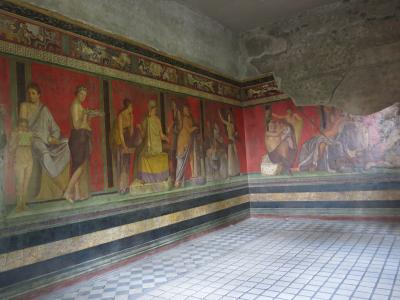
Villa of the Mysteries (Villa dei Misteri)
The great Dionysian frescoes outside the walls of Pompeii
Ancient Ruins · Archaeological Museums
Questions people ask
Quick Facts
Best Time to Visit
April to early June and late September to October offer pleasant temperatures for walking the ruins; summer is very hot with little shade, so start early in the day.