







Castiglion Fiorentino
Walled hill town above the Val di Chiana, with a Vasari loggia and a small art gallery
Castiglion Fiorentino lies in the east of Tuscany, on a hill at around 345 metres above the Val di Chiana, and it sits near the middle of the triangle formed by Florence, Siena and Perugia. Arezzo is about twenty kilometres to the north-west and Cortona about ten kilometres to the south-east. Medieval walls and towers dominate the appearance of the old town, yet excavations have found an Etruscan wall of around the fourth century BC under the present centre, which shows how long the hill has been settled. Later the town was fought over by Arezzo, Perugia and Florence, and in 1384 it passed to Florence, from which time it is called Castiglion Fiorentino.
The top of the hill is crowned by the Cassero, the fortress that incorporates a tall tower. Visitors can climb the tower on days when it is open, and the view takes in the roofs of the old town, the Val di Chiana, and the hills toward Cortona and Lake Trasimeno on a clear day. Lower down, the town's main square, the main square, holds the Palazzo Comunale and the Logge del Vasari, a nine-arch loggia usually attributed to Vasari that opens onto the valley and is one of the best places to sit and look out.
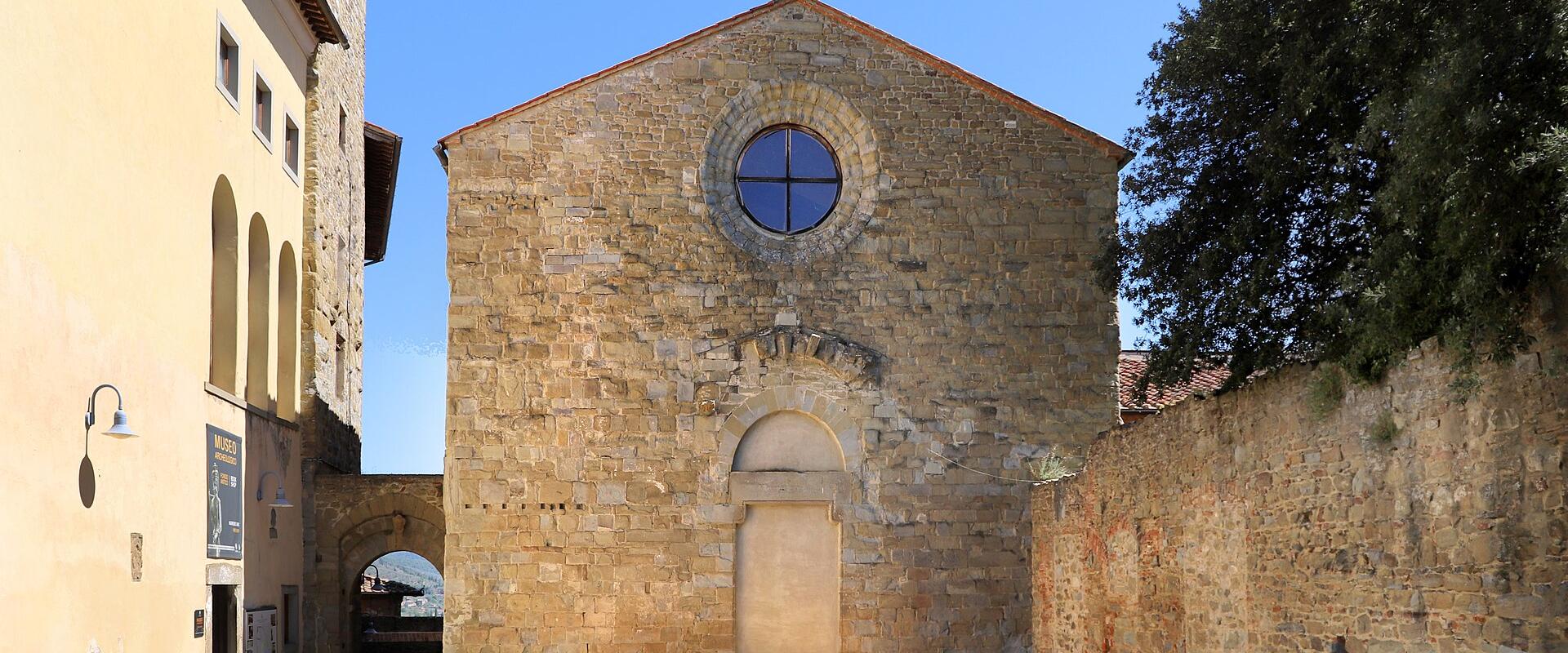
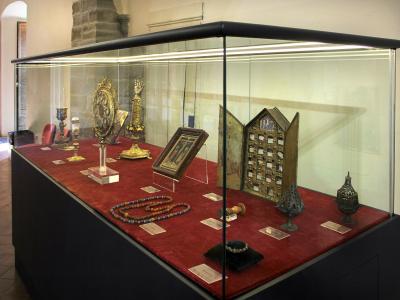
The Pinacoteca Comunale is the town's art museum, housed in a former Romanesque church built between 1229 and 1239. It is a small gallery, best treated as a compact visit. The collection includes painted crosses of the thirteenth century, wooden sculpture and a good group of goldsmith work and sacred objects from the churches of the town and its area. These pieces show the shift from Byzantine-influenced painting to the more natural style of Tuscan art in the late Middle Ages. The painter Bartolomeo della Gatta, who worked in the town in the late fifteenth century, is associated with Castiglion Fiorentino and his work features in the local artistic heritage. The museum's opening hours vary by season, so check locally before going.
Other things to see include the collegiate church of San Giuliano, the small churches around the old town,. Walking along the lanes inside the walls takes less than an hour, and the town is rarely crowded outside the summer events.
Tradition shapes the calendar. The Palio dei Rioni takes place each June, when the town's districts compete with flag throwing and a horse race. Since 1989 the Santa Chiara Study Center, run by Texas A&M University, has brought groups of American students to the town to study architecture, art and design, and this gives the old centre a youthful presence in term time.
The food is that of the Val di Chiana and Arezzo province. The Chianina breed, a large white cattle of the Val di Chiana, is the source of the famous bistecca alla fiorentina and local butchers and restaurants serve it widely. Olive oil, simple bean soups, cured meats and the wines of the nearby Cortona area complete the table.
Castiglion Fiorentino is a good base for exploring this corner of Tuscany. Cortona, Arezzo, Lake Trasimeno and the Umbrian border are all within a short drive. It is best visited from April to June and in September and October, when the weather is mild and the valley is green or golden. Summer afternoons can be hot, and winter brings fog to the plain, though the hilltop often stays above it.
Best time to visit
April to June and September to October for walking and clear views; the Palio dei Rioni is held in June.
What to see in Castiglion Fiorentino
Our picks first.
Castiglion Fiorentino by interest
The same sights, grouped by what you came for.
Planning a visit to Castiglion Fiorentino
Good to know
- Currency
- EUR
- Language
- Italian
Quick Facts
Book your stay
Questions people ask
More places in Tuscany
Tuscany
Florence
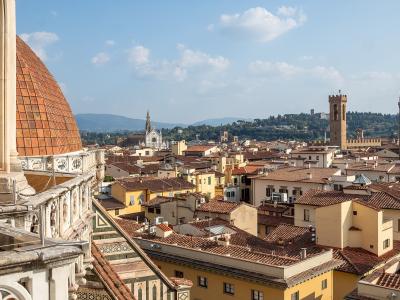
Birthplace of the Renaissance with iconic art and architecture
Tuscany
Pisa
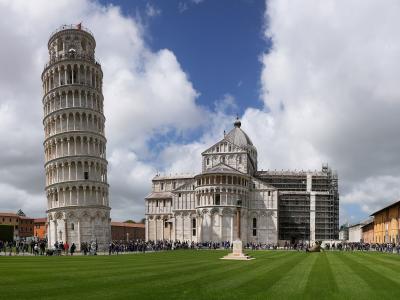
Tuscan city famous for the Leaning Tower and medieval architecture
Tuscany
Siena
UNESCO-listed medieval city in Tuscany known for the Palio horse race
Tuscany
Lucca
Walled Tuscan city with intact ramparts, medieval towers, and relaxed vibe