







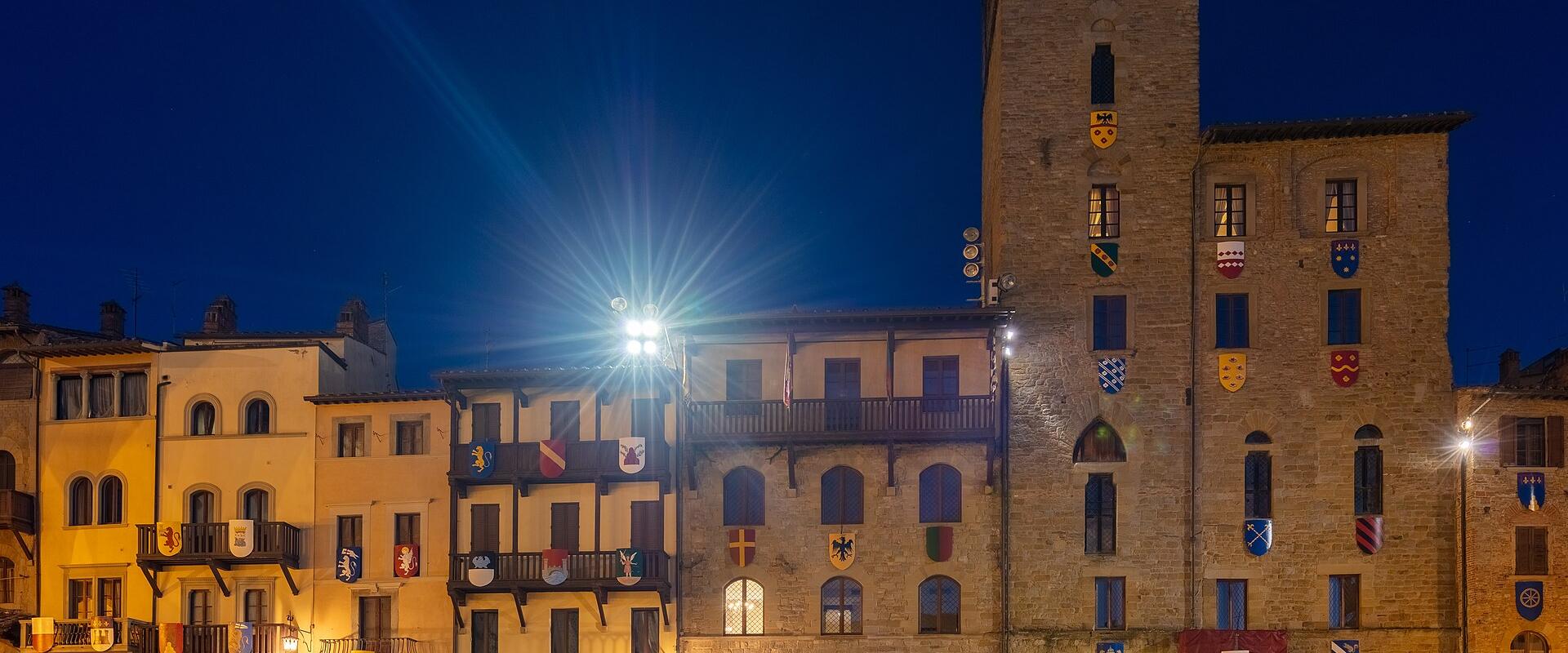
Arezzo, known in ancient times as Arretium, has a history that stretches back to the Etruscan and Roman periods. It was a significant Etruscan city and later became a Roman colony, famous for its red glazed pottery, which was exported across the empire, and it was the birthplace of Maecenas, the patron of Roman poets. During the Middle Ages Arezzo was a powerful commune and a rival of Florence, engaging in frequent conflicts with its neighbour, until Florence took control in the 14th century. The city's golden age came during the Renaissance, when it became a centre of art and culture. The painter Piero della Francesca, born in nearby Sansepolcro, worked in Arezzo and left behind a great cycle of frescoes on the Legend of the True Cross in the Basilica of San Francesco. Giorgio Vasari, the renowned artist and historian, was born in Arezzo in 1511 and designed the Vasari Corridor, which links the Palazzo Vecchio in Florence with the Uffizi Gallery and the Pitti Palace. The city's architecture reflects its long history, with medieval towers, Romanesque churches, and Renaissance palaces. The Piazza Grande, or Great Square, is the centre of the city, surrounded by important buildings such as the Palazzo delle Logge, the Palazzo della Fraternita dei Laici, and the apse of the Romanesque church of Santa Maria della Pieve. The square is also the setting for the Giostra del Saracino, a medieval jousting tournament held twice a year, in June and September, which is a major event in the city's calendar.
The National Museum of Arezzo holds a rich collection of Etruscan and Roman artefacts, including the red pottery; the famous Chimera of Arezzo, a bronze statue of a mythical creature found here in 1553, is displayed in Florence. The museum also features works by Piero della Francesca and other Renaissance artists, in some descriptions. The Basilica of San Francesco is another key attraction, with Piero's frescoes, and the church of San Domenico holds a painted crucifix by Cimabue. The Cathedral, the Duomo, dedicated to Saints Peter and Donatus holds a fresco of Mary Magdalene by Piero. The Palazzo del Capitano del Popolo is a medieval building on Corso Italia. The Vasari House, now a museum, shows the life and work of Giorgio Vasari, with frescoes painted by Vasari and his assistants. The city's antique fair, held on the first Sunday of each month, is one of the largest and most important in Italy, drawing dealers and collectors from across Europe. The fair takes place in the Piazza Grande and the surrounding streets, with a wide variety of items, from furniture and ceramics to jewellery and books.
The film Life Is Beautiful was shot in the city in the 1990s, and its streets and squares appear in many other films and television series.
Arezzo is well connected to other parts of Italy by road and rail. The A1 motorway passes near the city, with exits for Arezzo. The city has a railway station with regular connections to Florence, Rome, and other major cities. For those flying, Florence Airport is the closest major airport, about an hour's drive away. The best time to visit Arezzo is during the spring and autumn, when the weather is mild and pleasant. Summer can be hot, especially in July and August, while winter is generally cool but rarely severe. The city's cultural events, such as the Giostra del Saracino and the antique fair, add to its appeal, making it a year-round destination. Arezzo's combination of historical significance, artistic treasures, and lively local life makes it a rewarding destination for travellers interested in Italian history and culture.
Best time to visit
Visit in April to June or September to October for mild weather and fewer crowds.
What to see in Arezzo
Our picks first.
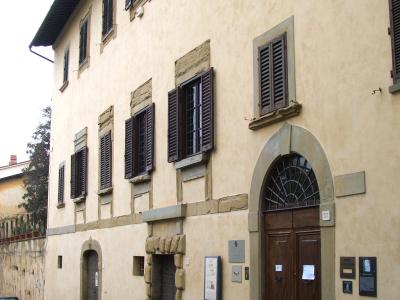
Casa di Giorgio Vasari
Former home of Giorgio Vasari, featuring his frescoes
History & Heritage · Museums & Culture
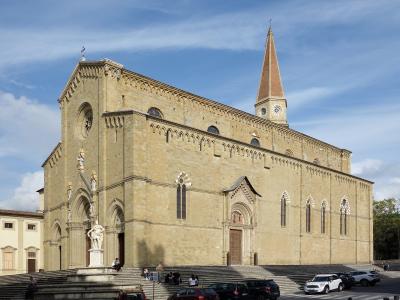
Cathedral of San Donino (Duomo di Arezzo)
13th-century Gothic cathedral in Piazza del Duomo
Architectural Monuments · Cultural Tours
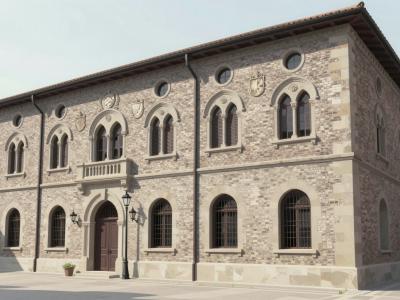
Palazzo del Capitano del Popolo
13th-century palace housing the Ivan Bruschi antique museum
Architectural Monuments · Historic Palaces
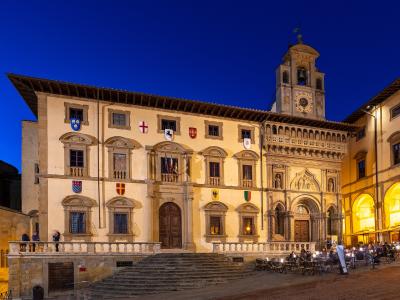
Palazzo della Fraternita dei Laici
15th-century palace housing Arezzo's historic archives
History & Heritage · Museums & Culture
Arezzo by interest
The same sights, grouped by what you came for.
Did you know?
Checked facts about Arezzo, each with its source.
-
History
The Chimera of Arezzo Was Unearthed in 1553
The Chimera of Arezzo, an Etruscan bronze of the early 4th century BC, was found on 15 November 1553 near Porta San Lorentino, while workers dug the foundations of a new bastion in the city walls ordered by Duke Cosimo I de' Medici. The original is now in Florence's National Archaeological Museum.
Source: Finestre sull'Arte
Planning a visit to Arezzo
Itineraries that include Arezzo
Good to know
- Currency
- EUR
- Language
- Italian
Quick Facts
Book your stay
Questions people ask
More places in Tuscany
Tuscany
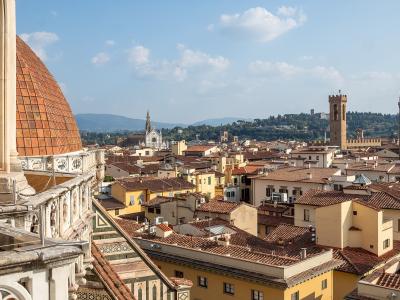
Florence
Birthplace of the Renaissance with iconic art and architecture
Tuscany
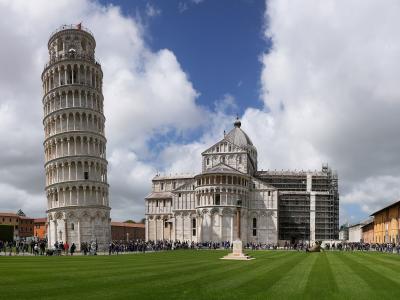
Pisa
Tuscan city famous for the Leaning Tower and medieval architecture
Tuscany
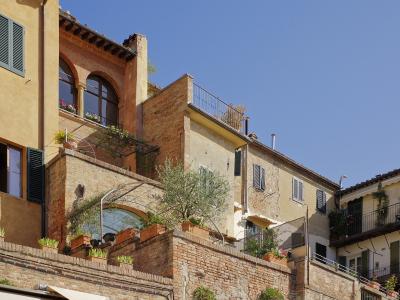
Siena
UNESCO-listed medieval city in Tuscany known for the Palio horse race
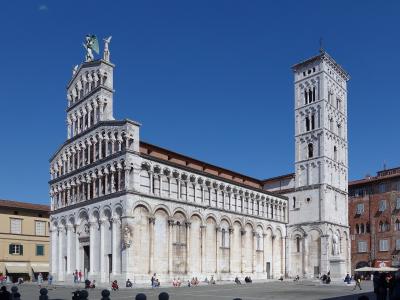
Tuscany
Lucca
Walled Tuscan city with intact ramparts, medieval towers, and relaxed vibe