







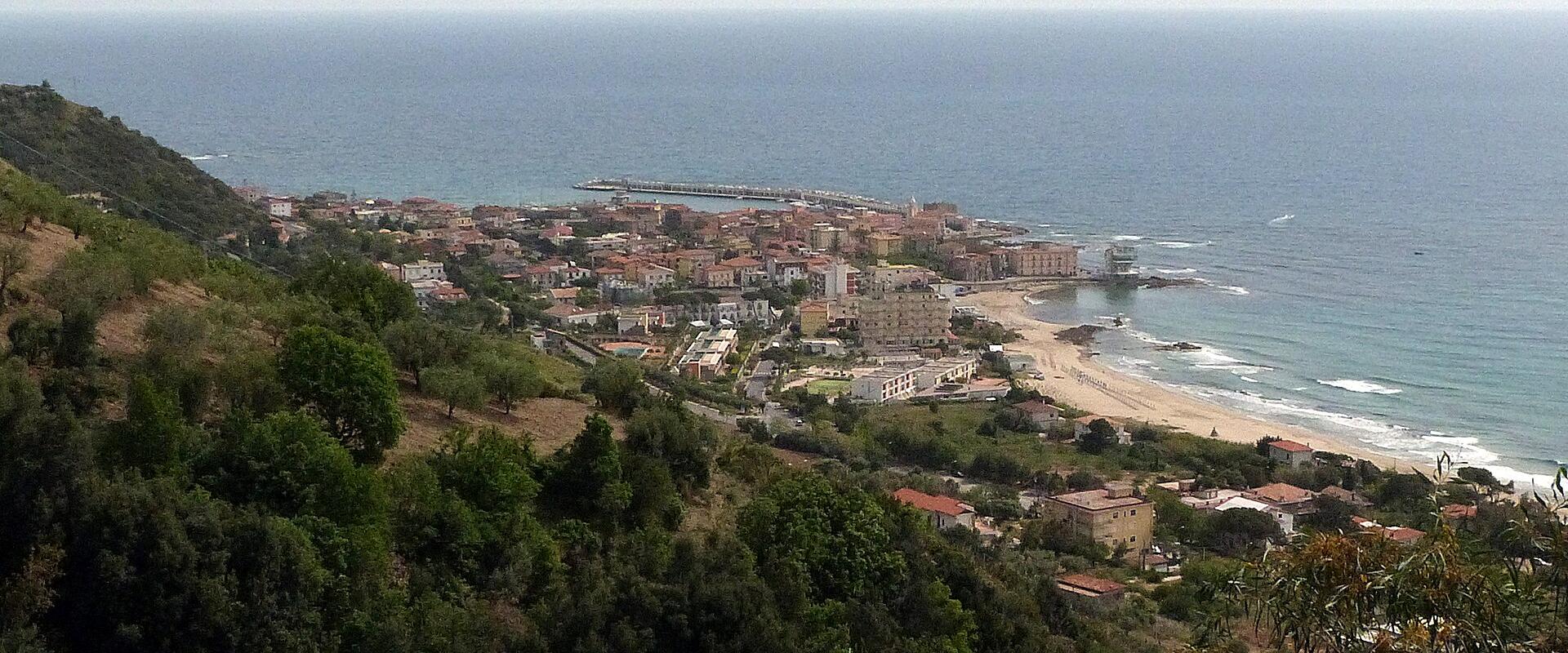
Acciaroli
Cilento fishing village in the municipality of Pollica, known for its harbour and long-lived residents
Pollica is a municipality in the province of Salerno, in the Cilento area of southern Campania. The village of Pollica sits on a hill at around 280 metres, and the first written mention of it dates from a document of 1113 donating property to a monastery. For centuries noble families, among them the Capano family, governed the area until feudalism ended in 1806. The castle of the Capano in Pollica still dominates the upper village. The municipality has five hamlets, or frazioni. Acciaroli is the largest and lies on the sea, Pioppi is another coastal village, and Cannicchio, Celso and Galdo Cilento are in the hills. The whole area lies within the Cilento, Vallo di Diano and Alburni National Park, which is also a UNESCO World Heritage site.
Acciaroli is the part of Pollica most visitors know. Its small harbour is still used by fishing boats, and the old centre is a cluster of stone houses and narrow lanes that run down to the waterfront. A watchtower near the harbour dates from the period when towers were built along the coast of southern Italy as a defence against pirate raids. The village church and the waterfront square are the focal points of the evening passeggiata, and several small bars and restaurants face the port.
The beaches near the village are a mix of sand and pebbles, and the water is clear and deep. People come to swim, snorkel and dive, and local operators offer boat trips along the coast. There is public access to the shore, with some beach clubs offering umbrellas and loungers in summer. Because the village is small, even the busy season has a relaxed rhythm, though July and August fill every room.
Several stories give Acciaroli a place in popular memory. A local tradition associates the village with Ernest Hemingway, who is said to have stayed in the early 1950s. More recently, Acciaroli drew researchers because of the large number of centenarians among its residents. Studies have attributed their longevity to a combination of diet, activity, climate and community life. Pioppi, a few kilometres up the coast, is connected with Ancel Keys, the American physiologist who lived there and studied the Mediterranean diet, and the municipality of Pollica is recognised as an emblematic community of the Mediterranean diet by UNESCO. The mayor Angelo Vassallo, called the fisherman mayor, governed Pollica for many years and worked to protect the coastline from overbuilding. He was murdered in 2010, and his name is remembered in the village.
The food is simple and local. Fresh fish and seafood are the staples, alongside Cilento olive oil, figs, cheese and anchovies from nearby Pisciotta, which also feature in many restaurants. A meal at the harbour in the evening is the usual way to end the day.
Beyond the coast, the hills behind Pollica offer walking among olive groves and small villages, including the hamlets of Cannicchio, Celso and Galdo. Day trips by car lead to Paestum, with its Greek temples, roughly an hour or so to the north, and to the Certosa di Padula, one of the largest monasteries in Italy, inland in the Vallo di Diano.
A car is the practical way to reach and explore the area, since public transport along the Cilento coast is limited. Salerno and Naples are the main gateways. Summer, from June to September, is the swimming season, with June and September the most comfortable. In spring the hills are green and good for hiking, while winter is very quiet and some restaurants and hotels close.
Best time to visit
June and September for warm sea and manageable crowds; July and August are lively and full; spring is good for walking in the Cilento hills.
What to see in Acciaroli
Our picks first.
Acciaroli by interest
The same sights, grouped by what you came for.
Planning a visit to Acciaroli
Good to know
- Currency
- EUR
- Language
- Italian
Quick Facts
Book your stay
Questions people ask
More places in Campania and Amalfi Coast
Campania and Amalfi Coast
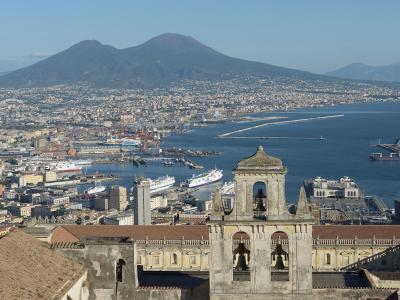
Naples
Vibrant Neapolitan city with UNESCO heritage, pizza origins, and Vesuvius views
Campania and Amalfi Coast
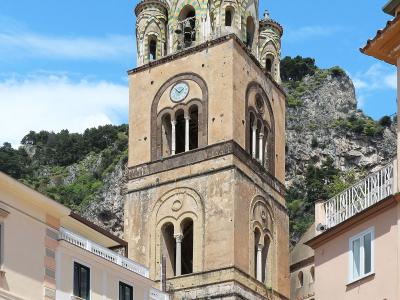
Amalfi
Historic maritime republic on the Amalfi Coast with dramatic cliffs
Campania and Amalfi Coast
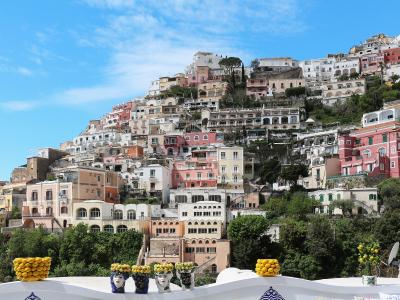
Positano
Iconic Amalfi Coast village with cascading pastel buildings and cliffs
Campania and Amalfi Coast
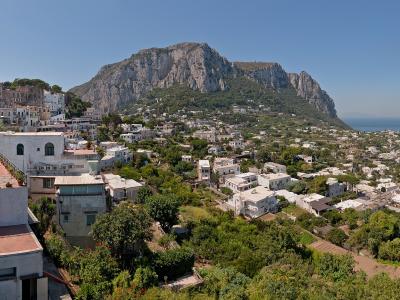
Capri
Iconic Italian island with Blue Grotto, dramatic cliffs, and luxury resorts