







Parco Nazionale del Cilento e Vallo di Diano
UNESCO site with ancient Greek ruins
- Where
- Acciaroli, Campania and Amalfi Coast
- Directions
- Directions
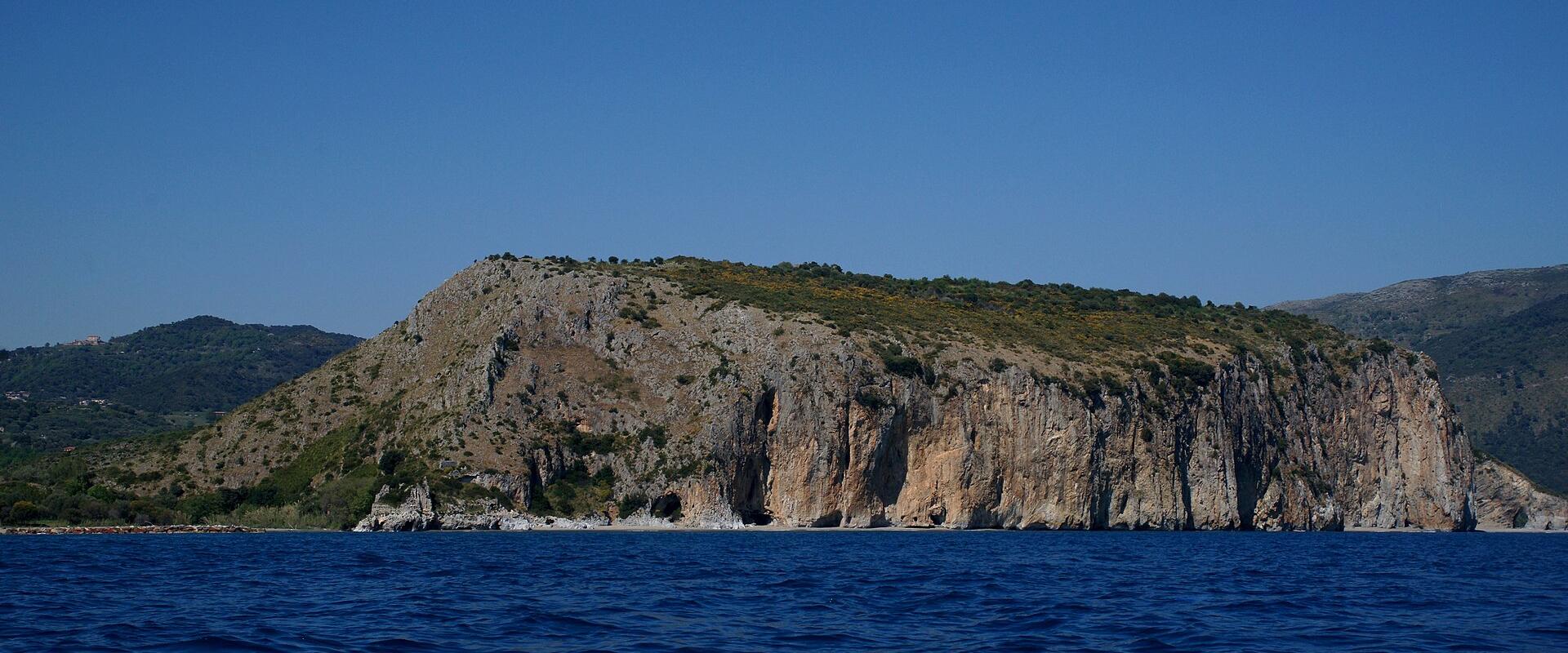
The Parco Nazionale del Cilento, Vallo di Diano e Alburni is one of Italy's largest national parks, covering about 1,800 km² of southern Campania between the Tyrrhenian coast and the Apennines. Established in 1991 and listed by UNESCO in 1998 together with the Greek cities of Paestum and Velia and the Certosa di Padula, it protects a landscape that runs from the limestone summit of Monte Cervati (1,898 m) and the Alburni massif down to a coastline of coves, sea caves and small fishing villages such as Acciaroli.
Inland, the highlights include the Pertosa-Auletta caves, where a boat carries visitors along an underground river, the gorges of the Calore river, and hill villages linked by old mule tracks. On the coast, Capo Palinuro and the cliffs of Marina di Camerota are best seen from the water, and the ruins of ancient Velia lie a short drive south of Acciaroli. In nearby Pioppi, the American physiologist Ancel Keys lived for decades while studying what became known as the Mediterranean diet.
Acciaroli makes a quiet base for the park's northern coast, with clear water and small sandy beaches; most of the inland sights need a car.
The park's UNESCO listing reflects how much history lies within it. At Paestum, on its northern edge, three Doric temples built by Greek colonists in the sixth and fifth centuries BC are among the best-preserved in the world, and the museum holds the Tomb of the Diver, a rare example of Greek painting. Velia, the ancient city of Elea, was home to the philosophers Parmenides and Zeno, and its Porta Rosa is one of the oldest surviving arches in Italy. Inland, the Certosa di Padula is one of the largest monasteries in Europe, with a vast cloister and a spiral staircase.
The coast is known for clean water, and many of its towns regularly receive awards for their beaches. Food is a reason to come in itself: the white figs of the Cilento, buffalo mozzarella from the plains near Paestum and the anchovies of Menaica, still fished with traditional nets, are local specialities. Summer is busy on the coast, while spring and autumn are better for walking inland.
Categories
More photos coming soon
Nearby Attractions
Other places to visit in Acciaroli
Questions people ask
Quick Facts
Best Time to Visit
June and September for warm sea and manageable crowds; July and August are lively and full; spring is good for walking in the Cilento hills.