







- Where
- Parma, Emilia-Romagna
- Directions
- Directions
The Palazzo della Pilotta is a historic complex of edifices in the center of Parma, Italy, on the left bank of the Parma river, close to the main squares and the Ducal Park. Its name originates from the game of pelota played by Spanish soldiers stationed there, a ball game of Basque origin, whose name was Italianized as pilotta. Built around 1583 under Duke Ottavio Farnese, the complex was designed to house various facilities, including stables, the Academy Hall and the Teatro Farnese, and it was meant as an extension of the ducal residence and a showcase of the dukes’ power. It is a vast, long building of brick, plain and unfinished on the outside, and its modest facade gives little hint of the treasures inside.
The site features three main courtyards and includes the Ducal Palace, which was begun in 1622 but never completed. Over the centuries, the complex was adapted to hold a series of institutions, and today it is one of the most important cultural centers in northern Italy. Visitors can explore a vast art complex that houses the National Gallery, the Palatine Library, an archaeological museum and significant artifacts such as Leonardo da Vinci’s La Scapigliata, a small, unfinished sketch of a woman’s head, painted in earth tones, attributed to Leonardo, and Roman antiquities. The National Gallery has masterpieces by Correggio and Parmigianino, the great painters of Parma, as well as works by artists of the Emilian, Venetian and Tuscan schools, including Canaletto and Fra Angelico.
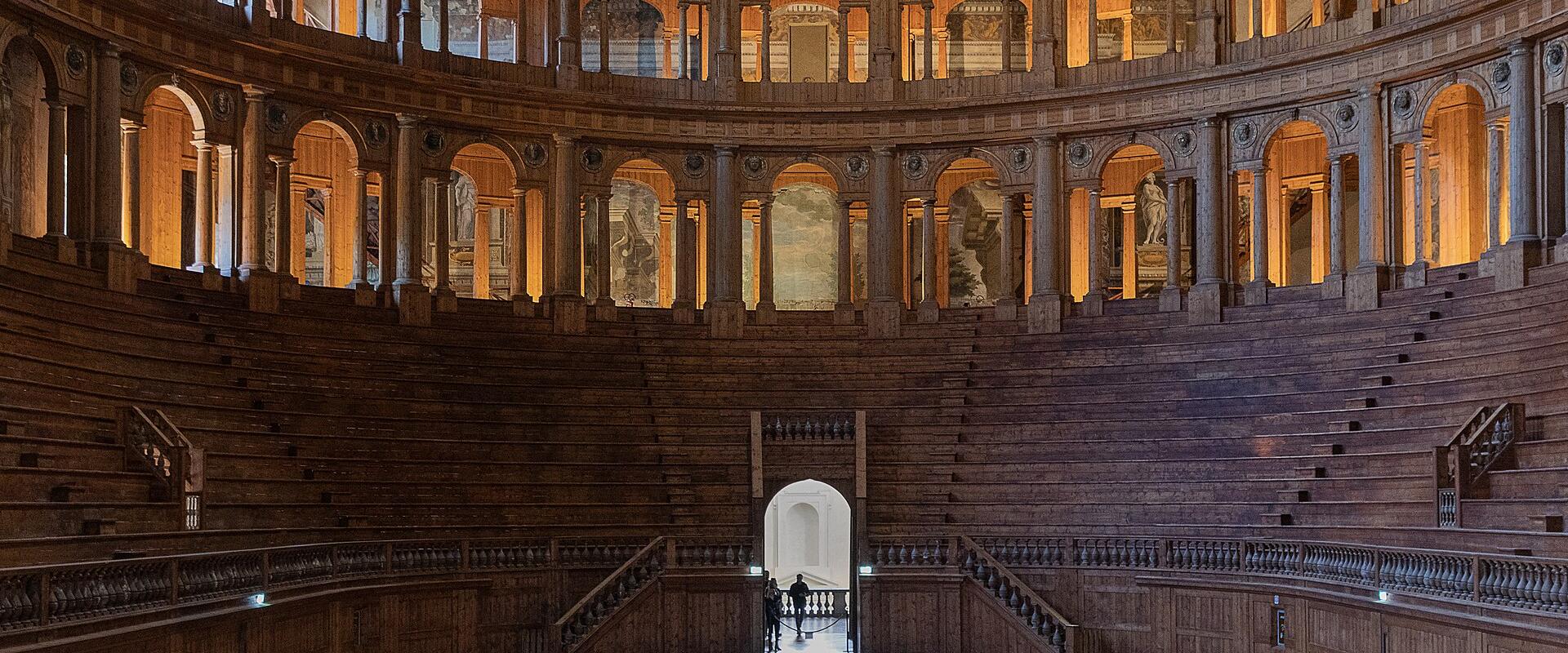
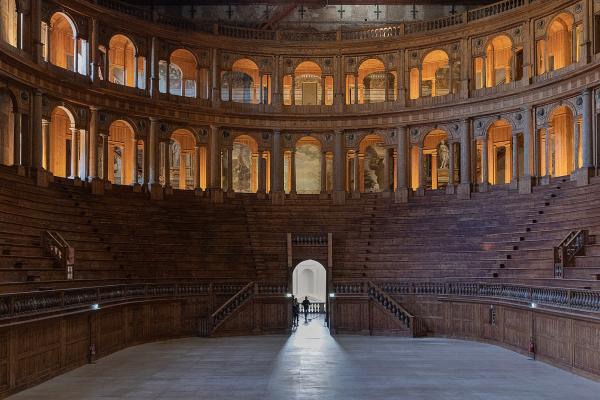
The Teatro Farnese, a masterpiece of Baroque theater architecture, remains a highlight, preserving its original wooden structure and scenography. Built between 1618 and 1628 for Duke Ranuccio I Farnese, to a design by the architect Giovanni Battista Aleotti, it was one of the first theaters in Europe with a permanent proscenium arch and a stage that could be flooded for mock naval battles. The huge horseshoe-shaped hall, entirely of wood painted to look like marble and stucco, with tiers of seats rising on three sides, could hold thousands of spectators. It was used only a few times and then abandoned, and it was largely destroyed by bombing in 1944 and reconstructed after the war, so most of the wood seen today is a faithful reconstruction.
The complex also incorporates the Reinach Theatre, later renamed Teatro Paganini in 1939, built in the late 19th century on the site of the former church of San Pietro Martire. The Biblioteca Palatina, established in the 18th century by the Bourbon dukes who succeeded the Farnese, holds precious manuscripts and a large collection of books. Historical events associated with the site include the birth of Elizabeth Farnese in 1692, who became queen of Spain, and the removal of many assets to Naples in the 1730s, when the Farnese inheritance passed to the Bourbons and works of art were taken south.
It is advisable to check local tourism resources for current schedules and ticket prices. Exploring the Palazzo della Pilotta offers insight into Parma’s ducal heritage and artistic legacy. It is an essential stop to appreciate the region’s cultural identity. The combination of historical depth and artistic beauty makes it a memorable destination, and it is within walking distance of the cathedral, the baptistery and the Teatro Regio.
Categories
More photos coming soon
Nearby Attractions
Other places to visit in Parma
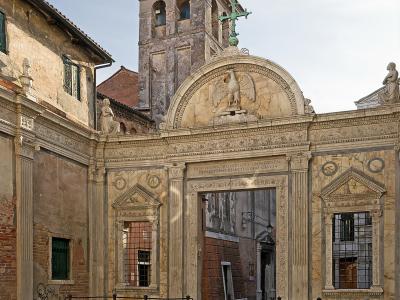
Basilica di San Giovanni Evangelista
Mannerist church with Correggio ceiling frescoes
Free Architectural Monuments · Cultural Tours
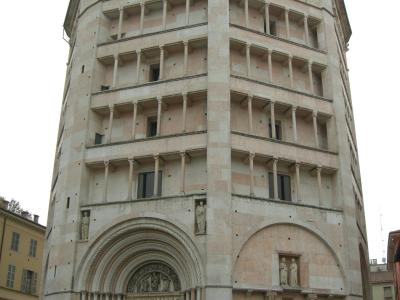
Battistero di Parma
12th-century Romanesque baptistery with Antelami sculptures
Architectural Monuments · Cultural Tours
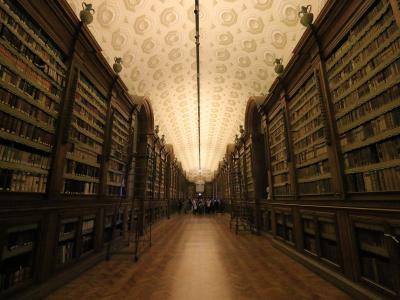
Biblioteca Palatina
Neoclassical library in Parma's Pilotta complex
History & Heritage · Museums & Culture
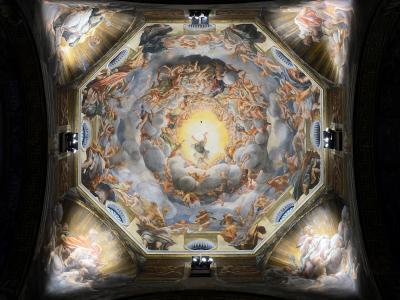
Duomo di Parma (Cathedral of Parma)
Romanesque cathedral featuring Correggio's dome fresco
From €10 Art Museums · Historic Churches
Questions people ask
Quick Facts
Best Time to Visit
Visit between April and June or September and October for mild temperatures and fewer crowds.