







Duomo di Parma (Cathedral of Parma)
Romanesque cathedral featuring Correggio's dome fresco
- Admission
- Cathedral free
- Baptistery/Museum €12 full, €10
- Where
- Parma, Emilia-Romagna
- Directions
- Directions
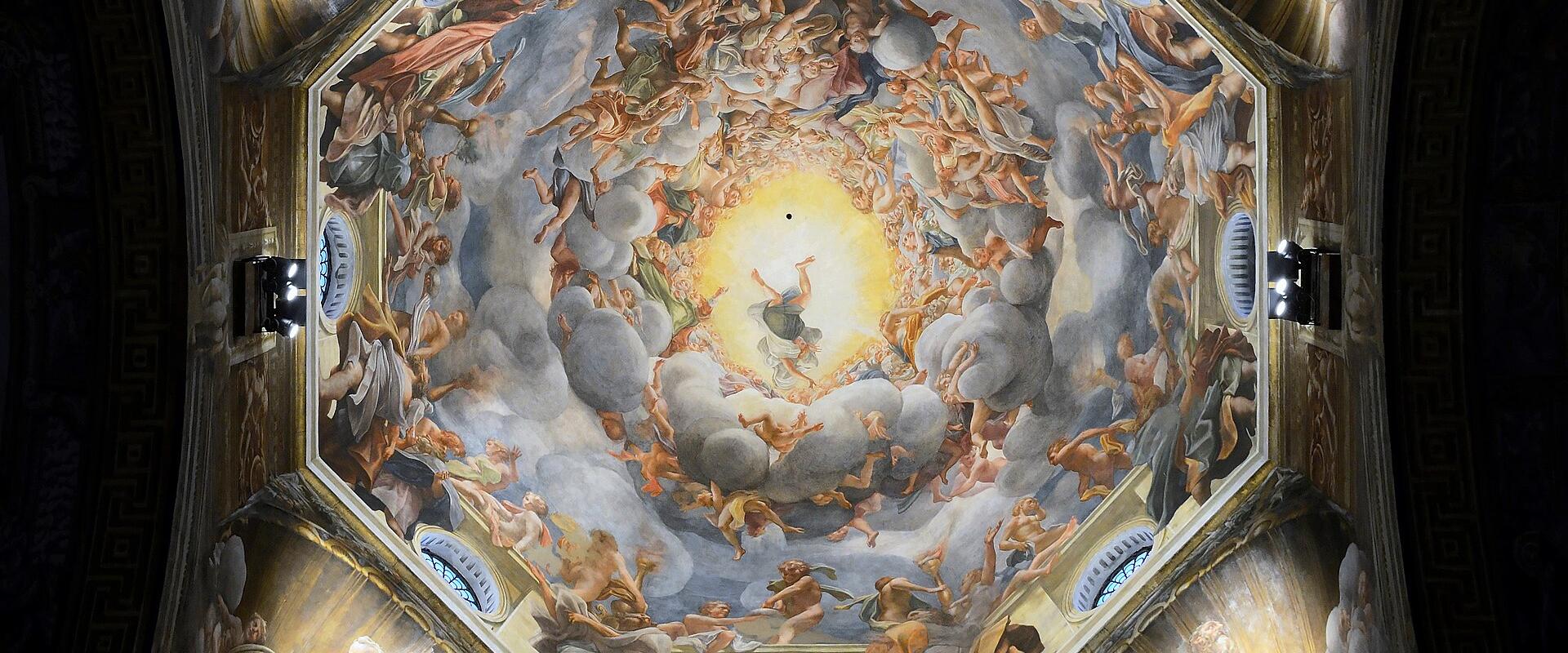
The Duomo di Parma, the Cathedral of Parma, is a monumental Romanesque church located in Piazza Duomo, in the historic centre of Parma, in Emilia-Romagna, and it is a central landmark of the city. It is renowned for its artistic treasures, most notably the dome fresco by Correggio, an Assumption of the Virgin painted between 1526 and 1530, which is considered a masterpiece of Baroque illusionism, even though it was made in the Renaissance. The cathedral also stands beside the Baptistery, an octagonal Romanesque building adjacent to the main structure, and the Diocesan Museum, so the three together form one of the most important medieval groups of buildings in northern Italy.
The cathedral was built in the late eleventh and twelfth centuries, after an earthquake in 1117 damaged an earlier church, and it is dedicated to Santa Maria Assunta. The facade, in pale stone, is divided into three levels by rows of loggias with slender columns, and it has three portals, framed by carved lions, in a style typical of Lombard Romanesque. A tall bell tower in the Gothic style rises beside it, and a sculpture of the Archangel Gabriel crowns the top. Inside, the church has a nave and two aisles, with a dark, solemn interior of brick and stone, and the walls are covered with frescoes of the sixteenth century. Here the sculptor Benedetto Antelami left one of his best known works, a marble relief of the Deposition from the Cross, dated 1178, which stands at the end of the right transept.
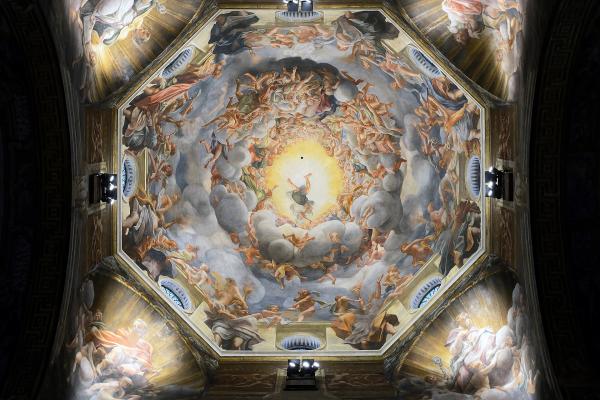
The star attraction is the dome. Correggio painted the Assumption of the Virgin with a swirling mass of figures, angels, apostles and clouds, rising toward a bright centre, and the Virgin appears to float upward in a spiral of movement. The figures are seen from below, with strong foreshortening, so that the dome seems to open to the sky. This illusionistic technique was a revolution in painting, and later Baroque painters in Rome and elsewhere followed it. Binoculars help.
Visiting hours vary by section. The Cathedral is open from the early morning until the evening, though access is suspended during religious services, and the Baptistery and Diocesan Museum open daily from the morning to the evening, with the site closing for part of the afternoon on 25 December. Entry is allowed up to fifteen minutes before closing time. Admission to the Cathedral is free for individual visitors and for those under thirteen, and groups with a guide pay a small fee. A two-day pass for the cathedral, baptistery and museum is also available, and it is worth buying.
Exploring the cathedral and baptistery takes about ninety minutes. The Baptistery, begun in 1196 by Antelami and made of pink Verona marble, has sixteen sides on the outside and a ceiling painted with a cycle of frescoes inside, in a fascinating medieval design. The square is a short walk from the Teatro Regio, the Palazzo della Pilotta and Piazza Garibaldi, where a market is held, and Parma’s centre is flat and pleasant for walking.
Categories
More photos coming soon
Admission Fees
- Admission
- Cathedral free; Baptistery/Museum €12 full, €10
Hours and prices change, especially out of season. Check with the venue before you go.
Nearby Attractions
Other places to visit in Parma
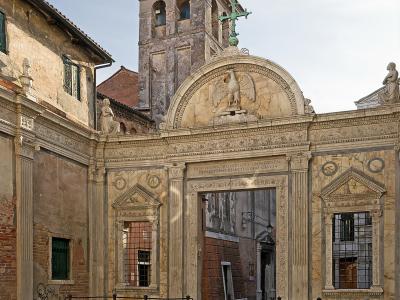
Basilica di San Giovanni Evangelista
Mannerist church with Correggio ceiling frescoes
Free Architectural Monuments · Cultural Tours
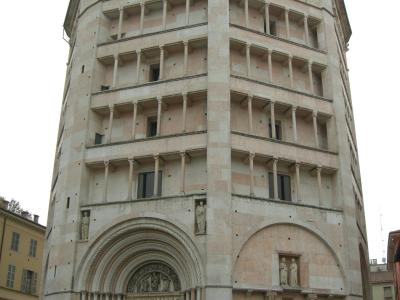
Battistero di Parma
12th-century Romanesque baptistery with Antelami sculptures
Architectural Monuments · Cultural Tours
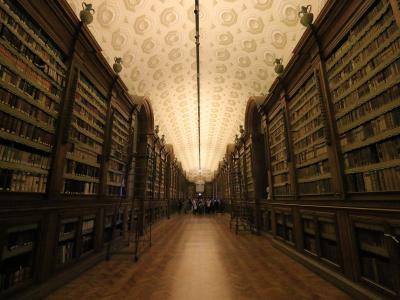
Biblioteca Palatina
Neoclassical library in Parma's Pilotta complex
History & Heritage · Museums & Culture
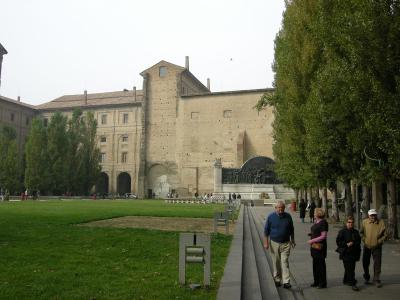
Galleria Nazionale di Parma
Farnese art collection in Palazzo della Pilotta
History & Heritage · Museums & Culture
Questions people ask
Quick Facts
Best Time to Visit
Visit between April and June or September and October for mild temperatures and fewer crowds.