







National Archaeological Museum of Reggio Calabria (MAR)
Home of the Riace Bronzes, in one of Italy's first purpose-built museums
- Hours
- Tuesday through Sunday, 9:00 a.m. to 8:00 p.m. (Last admission at 7:30 p.m.)
- Where
- Reggio Calabria, Calabria
- Directions
- Directions
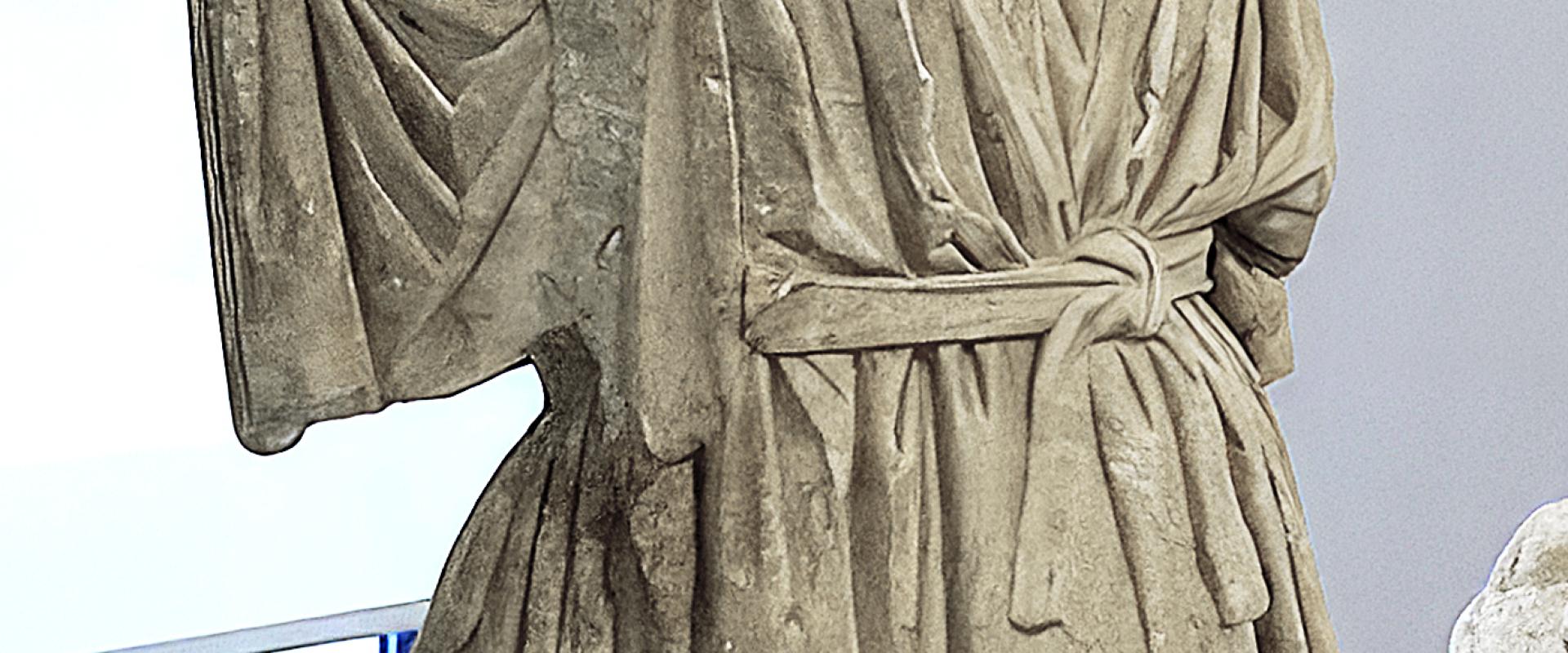
The National Archaeological Museum of Reggio Calabria, known as MAR, is the museum of the ancient history of Calabria, and it is world famous in Europe as the home of the Riace Bronzes, two of the finest Greek statues to survive from antiquity. It stands on Piazza De Nava in the centre of Reggio, close to the seafront and facing the Strait of Messina, in the Palazzo Piacentini, a large building of the 1930s designed by the architect Marcello Piacentini, one of the best-known Italian architects of the period, and notable as one of the first buildings in Italy designed from the start as a museum for an archaeological collection. The museum partly opened to the public in 1954, and after a major restoration and modernisation, it reopened fully in the 2010s with a new layout.
The Riace Bronzes were found in August 1972 by a young amateur diver, Stefano Mariottini, on the seabed off the coast at Riace Marina, on the Ionian side of Calabria. They are two life-size statues of bearded warriors, known as Statue A and Statue B, cast in the 5th century BC, in the period around 460 to 450 BC, and they show the Greek mastery of the nude male form, with muscles, veins, curled hair and beards rendered with extraordinary precision, and eyes of ivory and glass paste, with silver teeth and copper lips. No one knows with certainty whom they represent, who made them or how they came to be in the sea, perhaps from a shipwreck or a cargo thrown overboard. After years of restoration, they are now displayed in a special hall with controlled temperature and humidity, and visitors can walk around them to see them from every side.
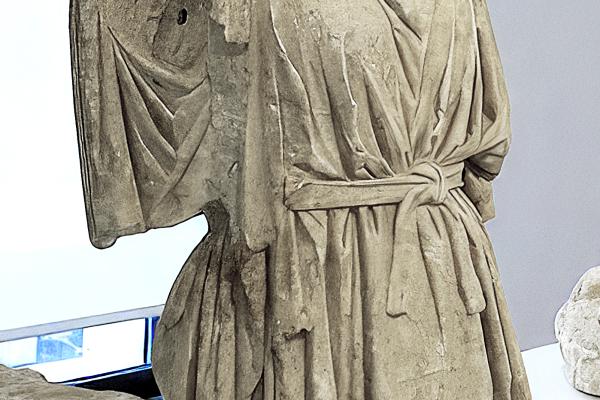
Beyond the Bronzes, the museum tells the story of Calabria from prehistory to the Roman age, with special emphasis on the period of Magna Graecia, when Greek colonists founded cities such as Rhegion, as Reggio was called, Locri, Crotone and Sybaris on the southern Italian coast. Rooms are given to the prehistoric finds, to sacred areas and to objects from the Greek cities, including the remarkable votive tablets, known as pinakes, from Locri, which show scenes of the cult of Persephone. The collection includes sculpture, pottery, bronzes, jewellery, coins and inscriptions, and the displays are arranged to guide visitors through the periods in order.
The museum describes itself as a cultural laboratory, with educational projects and activities for all ages, and it is designed to be accessible to visitors with disabilities. It is open from Tuesday to Sunday and closed on Mondays, according to published information, but hours and ticket arrangements may change, so check before going. A visit takes between two and three hours. The museum is a short walk from the Lungomare Falcomatà, the Duomo di Reggio Calabria and the Chiesa di San Giorgio dei Greci, and from the Palazzo Zani. It suits anyone interested in Greek art, Magna Graecia and the history of Southern Italy and ancient Greece, and the Bronzes alone are worth the journey.
More photos coming soon
Opening Hours
- Open
- Tuesday through Sunday, 9:00 a.m. to 8:00 p.m. (Last admission at 7:30 p.m.)
Hours and prices change, especially out of season. Check with the venue before you go.
Nearby Attractions
Other places to visit in Reggio Calabria
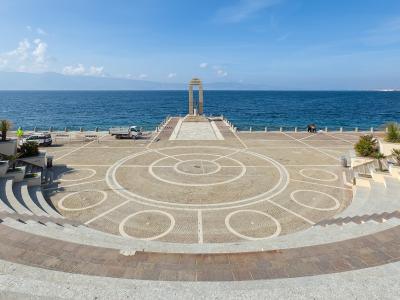
Arena dello Stretto (Anfiteatro Ciccio Franco)
Greek-style open-air theatre on the seafront, facing the Strait
City Promenades · Public Statues
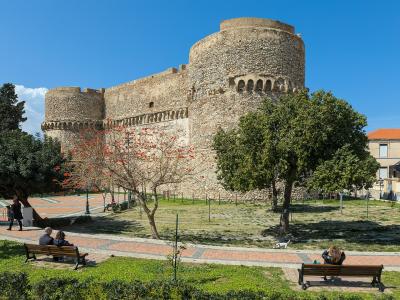
Castello Aragonese
Two great Aragonese towers on Piazza Castello, a fort since 536
History & Heritage · Castles & Fortresses
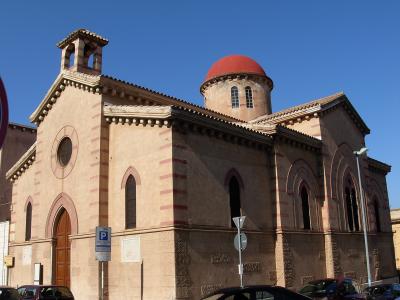
Chiesa degli Ottimati
Byzantine-Norman church rebuilt in 1933 with medieval mosaic floors
History & Heritage · Historic Churches
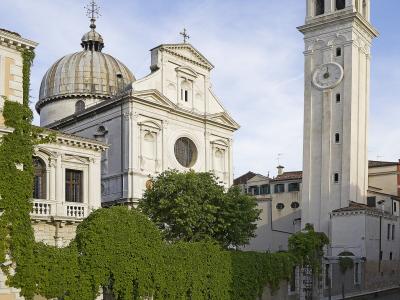
Chiesa di San Giorgio dei Greci
Oldest Christian site in Reggio Calabria, founded 1112
Architectural Monuments · Historic Churches
Questions people ask
Quick Facts
Best Time to Visit
Visit between April and June or September and October for mild temperatures and fewer crowds.