
Chiesa di San Giorgio dei Greci
Oldest Christian site in Reggio Calabria, founded 1112
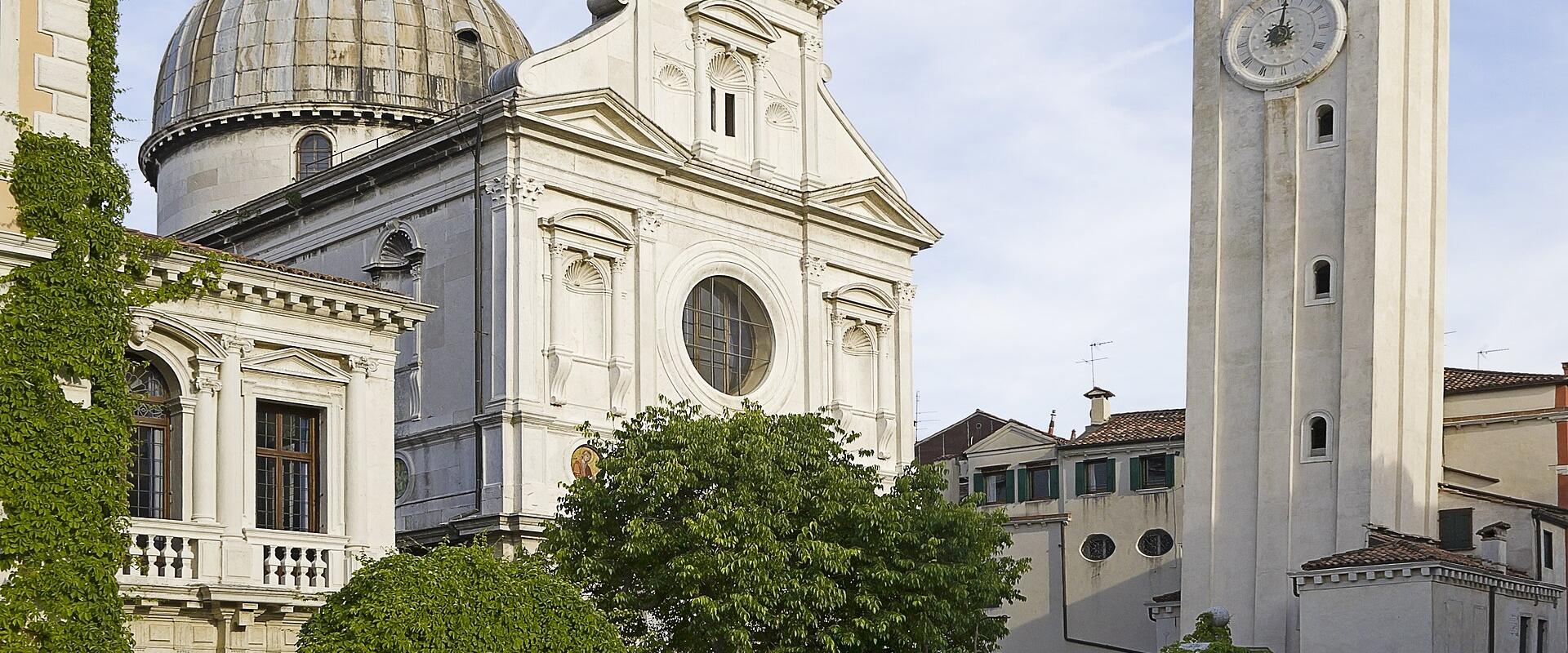
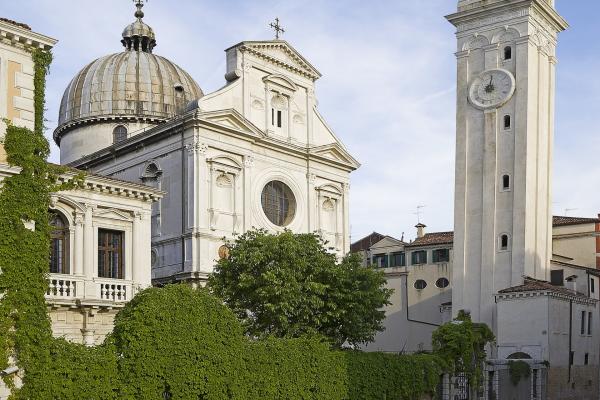
The Chiesa di San Giorgio dei Greci, also known as the Cattolica dei Greci, is the oldest Christian institution in Reggio Calabria. Founded by Roger II of Sicily and consecrated around 1112, it served as the city's principal place of worship during the Byzantine period. Originally following the Greek-Byzantine rite, the church lost prominence after the Normans introduced the Latin rite, with Greek rite practice fading by the late 16th century. Since 1818, the protopapa has been under the authority of the bishopric.
The current building is Neoclassical in style, with construction beginning in 1876. It is located at Via Aschenez, 163, near Via Giudecca, an area historically associated with the Jewish community. Today, it is part of the Archdiocese of Reggio Calabria-Bova and follows the Latin rite.
It is advisable to check local tourism resources for current schedules, particularly if visiting during mass times. Exploring the Chiesa di San Giorgio dei Greci offers a profound insight into Reggio Calabria’s Byzantine and Norman heritage. For travelers, it serves as an essential stop to appreciate the region’s religious legacy. The combination of historical depth and architectural evolution makes it a memorable destination. It complements visits to other landmarks in Reggio Calabria, such as the National Archaeological Museum and the Strait of Messina, providing a comprehensive view of the city’s identity. Visitors are advised to dress modestly when visiting and to take time to appreciate the serene atmosphere of the historic center.
Categories
More photos coming soon
Nearby Attractions
Other places to visit in Reggio Calabria
Frequently Asked Questions
Quick Facts
Best Time to Visit
Visit between April and June or September and October for mild temperatures and fewer crowds.