







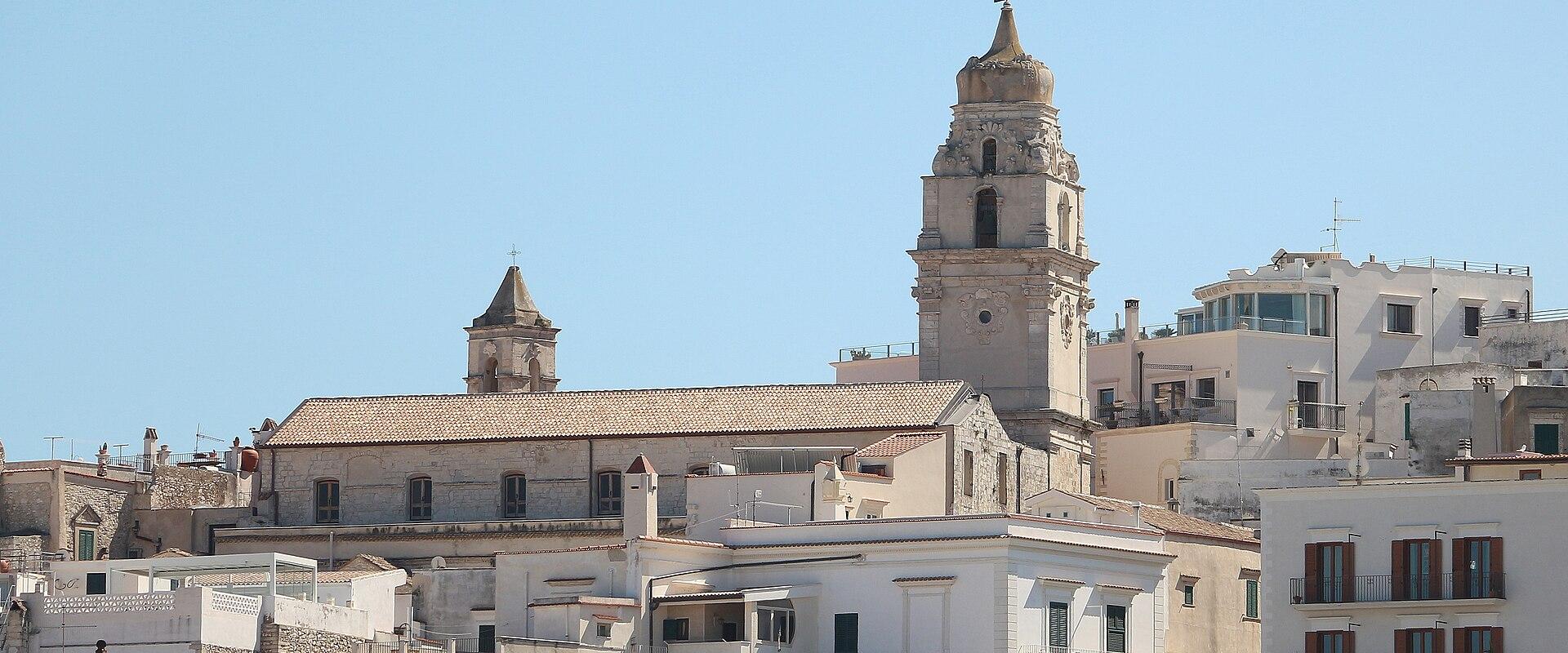
Cattedrale di Santa Maria Assunta
11th-century Romanesque basilica with carved capitals
- Where
- Vieste, Apulia
- Directions
- Directions
The Cattedrale di Santa Maria Assunta is the cathedral of Vieste, a town on the eastern tip of the Gargano Peninsula, in Puglia, and it stands in the old town near the Castle, at the top of the narrow lanes. It is a historic religious site built in the second half of the eleventh century, and it primarily retains its original Romanesque-Pugliese style, although its structure has been significantly altered over the centuries. Local tradition says it was built on the site of a pagan temple to the goddess Vesta, from which the town takes its name, though this is more legend than documented fact.
The cathedral has had a hard history. The town was attacked by Saracen raiders and Turkish corsairs, particularly in 1480 and 1554, when Vieste was sacked and much of its population killed or carried off, and major earthquakes in 1223 and 1646 caused collapses and required rebuilding. Subsequent stylistic updates included a late Baroque bell tower, which is a feature of the skyline. The result is a building in which the original Romanesque form is overlaid with later work, and the exterior is simple, in pale local stone, with a restrained facade.
Visitors can explore a basilica plan with three naves divided by two rows of six columns. The columns feature diverse capitals, both Corinthian and cubic, carved with motifs such as leaves, vines and animals, including horses, birds, bulls and dragons, and these carvings show a high level of compositional skill despite their rudimentary technique. Some of the capitals are reused Roman pieces, and others were made by local craftsmen who adapted classical forms into a medieval style. The original northern facade section remains, with a side entrance with low-relief archivolts, palm leaf frames and two symmetrical lion protomes, the heads of lions projecting from the wall, which are typical of Puglian Romanesque doorways.
The interior is plain and quiet, with a baroque altar and paintings from later periods, and a venerated image of the Madonna. The cathedral is an active church, so visitors should dress modestly and avoid visiting during services. Opening times are usually in the morning and late afternoon, but they can vary.
The cathedral is in the Borgo Antico, the old town of Vieste, a maze of narrow lanes with white houses, arches and steps, and close to the Castello Svevo. A short walk leads to the belvedere terraces with views of the sea. The monolith of Pizzomunno stands on the beach at the other end of town, and the sea caves are accessible by boat. Allow twenty minutes for the cathedral. Vieste’s old town is best in the early morning or at sunset.
Categories
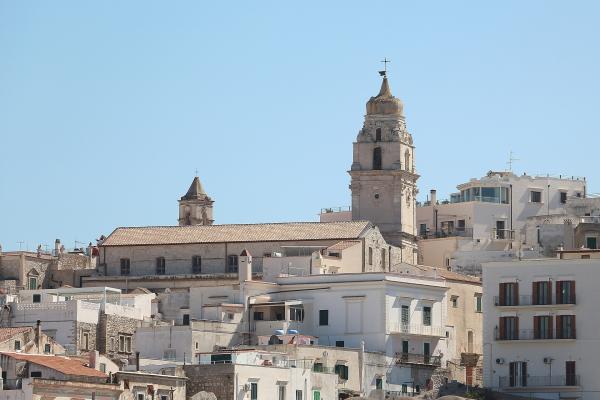
More photos coming soon
Nearby Attractions
Other places to visit in Vieste
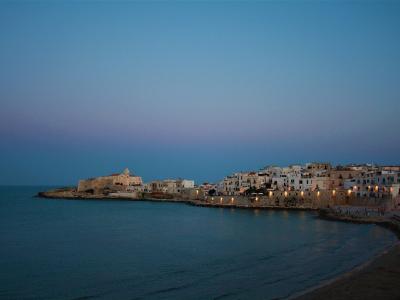
Borgo Antico (Old Town)
Narrow alleys and rustic stone buildings
Coastal Walks · Historic Districts
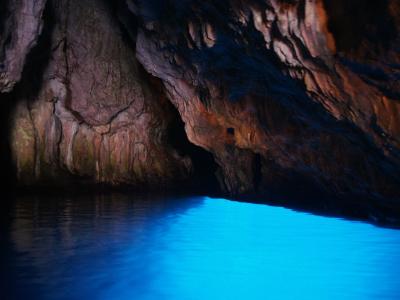
Grotte Marine (Sea Caves)
20 limestone caves eroded by waves on the Gargano coast
Activities & Wellness · Coastal & Maritime
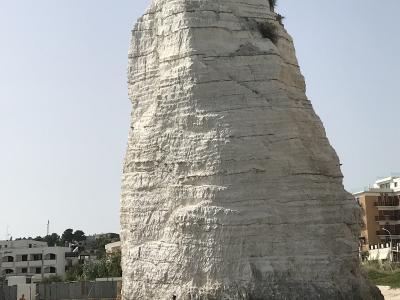
Pizzomunno
25-meter white limestone monolith on Vieste's coast
Coastal & Maritime · Museums & Culture
Questions people ask
Quick Facts
Best Time to Visit
Visit between May and June or September and October for warm weather and fewer crowds.