







- Where
- Chioggia, Veneto and the Dolomites
- Directions
- Directions
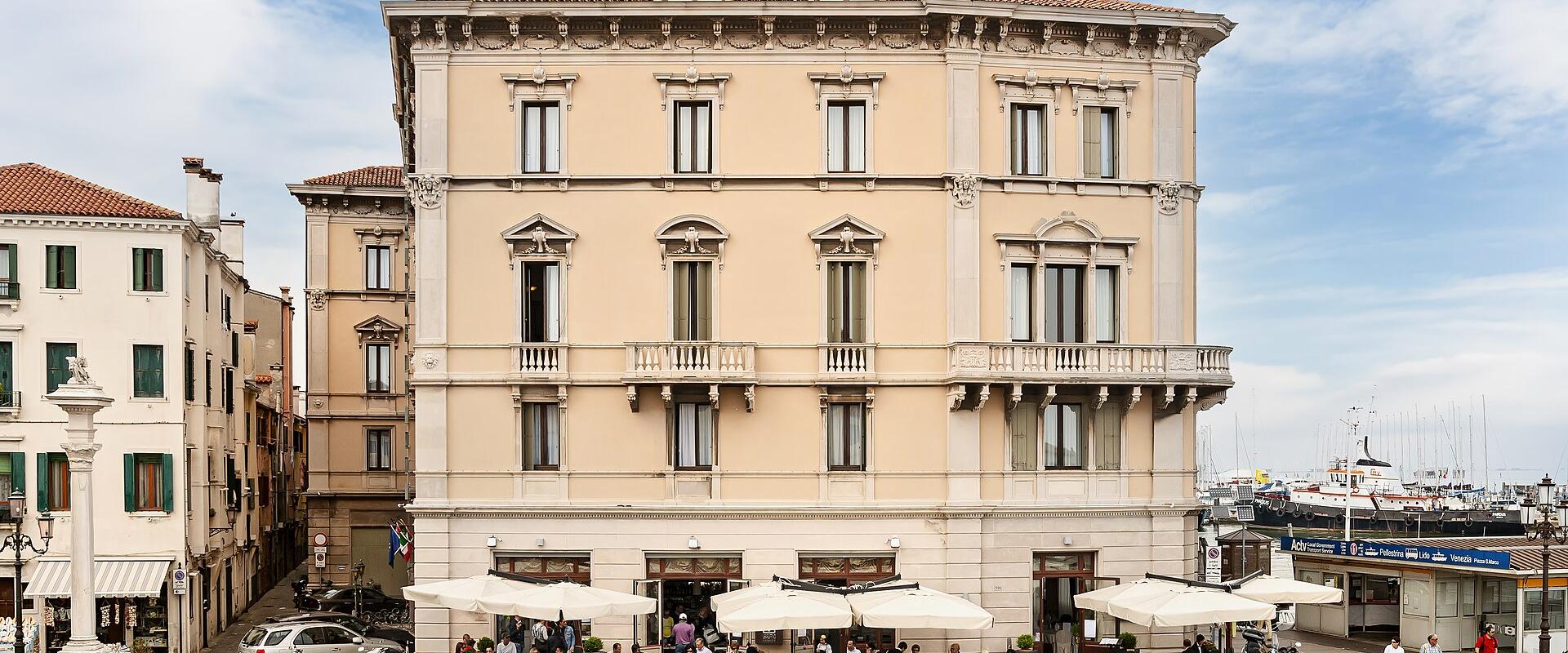
Borgo della Pescheria is the historic fish-market quarter of Chioggia, a lagoon town at the southern end of the Venetian Lagoon that is often nicknamed Little Venice. Like its famous neighbor, Chioggia is crossed by canals and bridges, but it is a working fishing port rather than a monument, and it feels more lived-in and less crowded. The main street, the Corso del Popolo, runs through the town from the bridge at one end to the lagoon at the other, with calli, squares and canals branching off. Traditional fishing boats known as bragozzi, with painted sails, are still moored along the canals and appear in the town’s festivals.
The fish market is one of the oldest institutions of the town, and its position reflects Chioggia’s long ties to fishing and trade. It is located between the square and the Canal Vena, behind the Palazzo Granaio, the old grain store. The market hall and the stalls that surround it are the center of a quarter that has been associated with fish for centuries. A group of about thirty stations of fishmongers, called mògnoli, sells fish, and they are known for their variety: the stalls display crustaceans, clams, mussels, squid, cuttlefish, sole and other species from the Adriatic and the lagoon, some of them species you will rarely see on a menu elsewhere.
Visitors can experience the vibrant atmosphere of the market, where the colorful displays and bustling activity offer a glimpse into the daily life of the local community. Fishmongers call out to buyers, ice is shoveled and boxes are stacked, and restaurant cooks and households queue for the day’s catch. The area is a sensory experience, filled with the sights and sounds of the fishing trade, and in the early morning it is at its busiest. Because it is a working market, it is best to go in the morning and to be mindful of staff and customers, and photography is generally welcome if you ask first. The days and hours of operation vary, so check local information.
Around the market, the old town has small bars, trattorias and shops, and many places serve fish caught that morning, often grilled or fried or in risotto. Chioggia is also known for its radicchio, which grows in the surrounding flatlands. A canal-side walk from the market takes in the Church of San Domenico, which holds a painting by Carpaccio, and the Museo Diocesano.
Chioggia is accessible by car, bus, train or bicycle, and a boat line runs from Venice, making it an easy day trip from Venice. Exploring Borgo della Pescheria gives a meaningful insight into the maritime heritage of the Veneto region and its food culture. It suits food lovers, photographers and anyone who prefers a working lagoon town to a polished tourist spot.
Categories
More photos coming soon
Nearby Attractions
Other places to visit in Chioggia
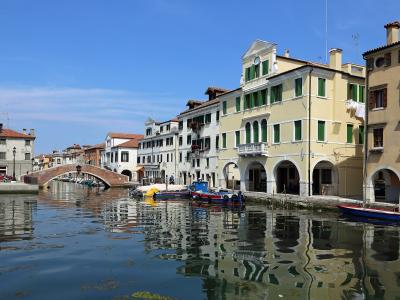
Canal Grande di Chioggia
Chioggia's main canal in "Little Venice
Coastal & Maritime · History & Heritage
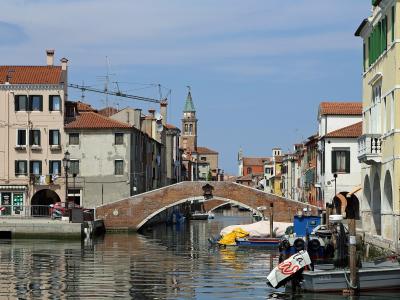
Chioggia Fish Market (Mercato del Pesce)
Ancient fishing tradition public market in Veneto
Fishing Villages · Local Cuisine
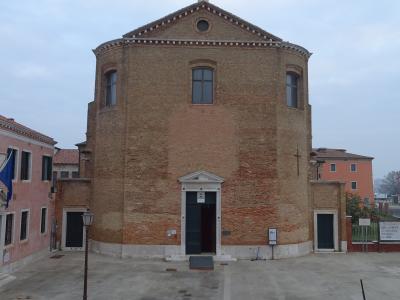
Church of San Domenico
13th-century Dominican church with 14th-century bell tower
Architectural Monuments · Historic Churches
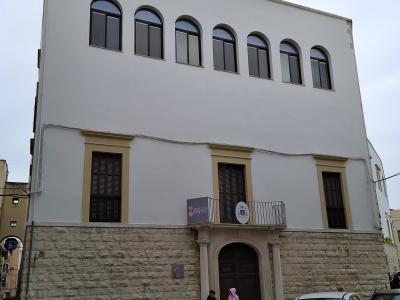
Museo Diocesano
Chioggia's sacred art museum housing the world's finest m...
Coastal & Maritime · History & Heritage
Questions people ask
Quick Facts
Best Time to Visit
Visit between April and June or September and October for mild temperatures and fewer crowds.